
Flounder Fishing Competitions in Washington and Oregon: Types, Tips

Flounder Fishing in Washington and Oregon: Types, Tips, and Competition Strategies
Flounder fishing in the Pacific Northwest is a rewarding experience, and for competitive anglers, it offers the thrill of testing your skills against the region's finest flatfish. Washington and Oregon boast diverse coastal habitats and abundant flounder populations, making them prime locations for fishing tournaments.
This guide covers the flounder species found in Washington and Oregon, which are best to eat, gear essentials, and strategies for excelling in local competitions.
Types of Flounder Found in Washington and Oregon
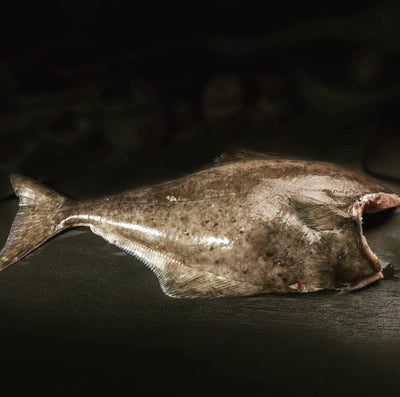
The waters of the Pacific Northwest are home to several flatfish species commonly grouped under "flounder."
1. Starry Flounder
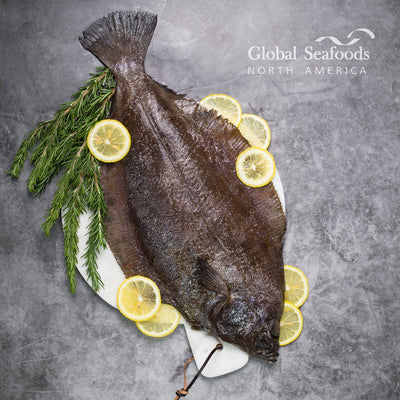
- Description: Recognized by their star-like pattern and rough scales, starry flounder are common in estuaries and nearshore waters.
- Habitat: Shallow flats, brackish waters, and estuaries.
- Taste Profile: Mild flavor and flaky texture -- versatile for most cooking methods.
- Best Locations: Puget Sound, Grays Harbor, and Columbia River estuary.
2. Pacific Sanddab
- Description: A smaller flatfish with a delicate, buttery flavor; one of the most underrated eating fish on the West Coast.
- Habitat: Sandy or muddy bottoms in shallow to moderate depths.
- Taste Profile: Rich, buttery, and sweet -- considered among the tastiest Pacific flatfish.
- Best Locations: Ocean Shores, Alki Beach, and Willapa Bay.
3. Dover Sole
- Description: A true flatfish (family Pleuronectidae) prized for its tender, sweet meat. Often called flounder but technically a sole.
- Habitat: Deeper waters but accessible nearshore during summer months.
- Taste Profile: Sweet and mild -- ideal for steaming, pan-searing, or meunière preparations.
- Best Locations: Puget Sound and the Washington coast.
4. Rock Sole
- Description: Known for firm, white meat; a popular catch among local anglers.
- Habitat: Rocky bottoms and sandy areas.
- Taste Profile: Firm texture and slightly sweet flavor -- holds up well to pan-frying and baking.
- Best Locations: Hood Canal and Cape Disappointment.
Explore Premium Flatfish Products
Top Flounder Fishing Competition Locations in WA & OR
1. Puget Sound, WA
Puget Sound offers a mix of estuaries, sandy flats, and rocky bottoms -- a top spot for flounder fishing competitions.
- Best Locations: Alki Beach, Edmonds Pier, and Possession Bar.
- Tips: Fish during tidal changes to target feeding flounder.
2. Columbia River Estuary (WA & OR)
The estuary's mix of fresh and saltwater attracts flounder year-round.
- Best Locations: Ilwaco Marina (WA) and Hammond Marina (OR).
- Tips: Use live bait like shrimp or minnows to mimic natural prey.
3. Grays Harbor, WA
A hotspot for flounder competitions, with abundant starry flounder and sanddab populations.
- Best Locations: Westport Jetty and Ocean Shores.
- Tips: Target sandy bottoms near drop-offs for larger flounder.
4. Willapa Bay, WA
Known for rich biodiversity and consistent flatfish populations.
- Best Locations: Tokeland Marina and Leadbetter Point State Park.
- Tips: Focus on sandy flats during incoming tides.
Gear Essentials for Pacific Northwest Flounder Fishing
1. Rods and Reels
- Rod: A 7-9 foot medium-light spinning rod for casting distance and sensitivity.
- Reel: A quality saltwater spinning reel (e.g., Penn Battle III 3000 series) rated for saltwater use.
2. Fishing Line
- Braided Line (15-20 lbs): High sensitivity for detecting subtle bites.
- Fluorocarbon Leader (12-15 lbs): Reduces visibility in clear waters.
3. Bait and Lures
- Live Bait: Shrimp, sandworms, and minnows are ideal for flounder.
- Cut Bait: Strips of squid or mullet add scent and visual appeal.
- Artificial Lures: Soft plastics like Gulp! Swimming Mullet work well for jigging.
Shop Pacific Dover Sole Fillets
Strategies to Win Flounder Fishing Competitions
1. Scout the Location Beforehand
- Identify sandy flats, estuaries, and structures where flounder are likely to congregate.
- Use a fishfinder to locate drop-offs and feeding zones.
2. Timing Is Key
- Fish during tidal changes when flounder are most active.
- Early mornings and late evenings are ideal for competition success.
3. Master the Right Rigs
- Carolina Rig: Keeps bait near the bottom where flounder feed.
- Drop Shot Rig: Suspends bait just above the bottom -- ideal for rocky areas.
- High-Low Rig: Targets multiple depths to increase your chances of a bite.
4. Use Fresh or Live Bait
- Fresh bait like shrimp or sandworms is highly effective for flounder.
- Change bait frequently to keep it lively and appealing.
5. Stay Mobile
- If you're not getting bites, move to another spot.
- Covering more ground increases your chances of finding active flounder.
Frequently Asked Questions (FAQs)
What's the best flounder to eat in the Pacific Northwest?
Dover sole is widely considered the best for its tender, sweet meat. Pacific sanddab is also a standout for its rich, buttery flavor -- and is often underpriced relative to its quality.
Do I need a license for flounder fishing in WA or OR?
Yes, a saltwater fishing license is required in both Washington and Oregon. Licenses can be purchased through the Washington Department of Fish and Wildlife (WDFW) and the Oregon Department of Fish and Wildlife (ODFW) websites.
What are the bag limits and regulations for flounder in WA & OR?
Flatfish regulations -- including daily bag limits, size limits, and open seasons -- vary by species, location, and year in both Washington and Oregon. Always check the current rules directly with WDFW (wdfw.wa.gov) and ODFW (myodfw.com) before fishing, as regulations are updated annually and can change mid-season.
Can I fish for flounder year-round?
In most areas, yes -- but the best fishing is during spring, summer, and early fall when flounder move closer to shore. Check current WDFW and ODFW regulations for any seasonal closures in your target area.
What gear do I need for flounder fishing in the Pacific Northwest?
A 7-9 foot medium-light spinning rod, saltwater spinning reel, 15-20 lb braided line with a 12-15 lb fluorocarbon leader, and live bait like shrimp or sandworms are the core setup. Carolina and drop shot rigs are the most effective bottom presentations.
What are the best locations for flounder fishing in WA and OR?
Top spots include Puget Sound (Alki Beach, Edmonds Pier), Columbia River Estuary (Ilwaco Marina, Hammond Marina), Grays Harbor (Westport Jetty, Ocean Shores), and Willapa Bay (Tokeland Marina) in Washington. The Columbia River Estuary near Astoria is the primary Oregon access point.
Celebrate Your Catch
After a successful day on the water, explore these premium flatfish options for the table:
- Petrale Sole -- perfect for baking or pan-frying.
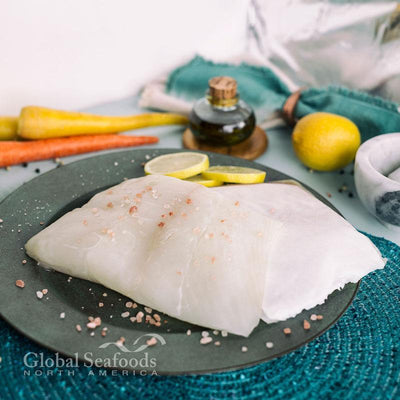
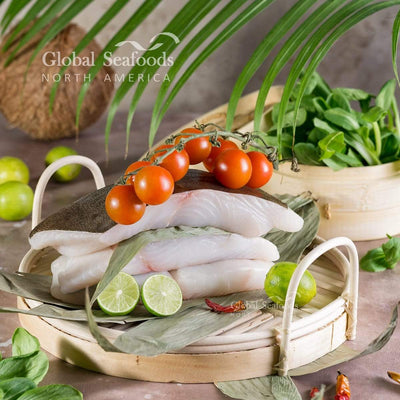
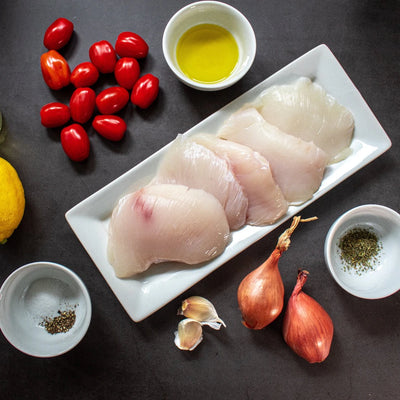
- Pacific Dover Sole Fillets -- ideal for grilling, steaming, or meunière.
For additional tips, tutorials, and seafood inspiration, visit the Global Seafoods YouTube Channel.
Related Products


Also in News

Snail Caviar: How White Escargot Caviar Is Farmed, Harvested and Made

The Dark Years of Pacific Salmon: A 20-Year Outlook for Alaska, Russia, and the Red Caviar Market

King Crab Legs Delivery: Is It Worth It? Exploring the Benefits and Best Options
Shop Now
Main
