
Cliff Point Petite Oysters – From Tide to Table: Farming, Harvesting & Culinary Guide

From Tide to Table: The Journey of Cliff Point Petite Oysters
The Fascinating Journey of a Gourmet Seafood Delicacy
When it comes to premium seafood, few delicacies compare to the exquisite taste and quality of Cliff Point Petite Oysters. These small but mighty bivalves undergo an incredible journey from pristine waters to your plate, showcasing the dedication, craftsmanship, and sustainable farming practices that make them truly special.
From their birth in nutrient-rich waters to their delicate harvest and rigorous quality control, each oyster embodies a perfect balance of flavor, sustainability, and culinary excellence.
The Birth of Cliff Point Petite Oysters
1. The Ideal Habitat for Oyster Growth
The journey begins in the pristine coastal waters of Cliff Point in the Pacific Northwest, where ideal salinity, temperature, and nutrient levels create the perfect environment for oyster farming. The cold, clean waters slow the oysters’ growth – which is precisely what develops their complex, concentrated flavor.
✔ Clean, nutrient-rich waters provide optimal conditions for healthy oyster development – the water quality is continuously monitored by state shellfish programs.
✔ Strong tidal movements help the oysters filter phytoplankton and absorb nutrients efficiently, building their characteristic briny sweetness.
✔ Carefully managed aquaculture sites ensure minimal environmental impact and compliance with NOAA and state shellfish growing area standards.
2. Sustainable Aquaculture: The Art of Oyster Farming
Oyster farming is an intricate blend of science and tradition, requiring patience, expertise, and sustainable practices.
🔹 Selective Breeding: Farmers cultivate oysters from the best genetic strains to enhance flavor, shell shape, and disease resistance. Cliff Point Petite Oysters are selected for their signature small size and concentrated briny profile.
🔹 Floating & Subtidal Farming: Oysters are raised in carefully designed floating baskets, longlines, or seabed structures, allowing them to develop their signature petite size and rich briny taste. Floating culture exposes oysters to more tidal flow, accelerating growth and flavor development.
🔹 Natural Filtration: Oysters act as natural water filters, improving water quality and supporting marine ecosystems – a single oyster filters up to 50 gallons of water per day.
This delicate balance of controlled farming and natural growth ensures that Cliff Point Petite Oysters thrive without harming the environment.
Harvesting & Handling: Ensuring Freshness and Quality
1. The Harvesting Process
Once the oysters reach maturity – typically at 2–2.5 inches after 18–24 months of growth – they are carefully harvested to ensure maximum freshness and minimal damage.
✔ Specialized harvesting tools are used to prevent shell breakage and minimize stress on the oysters.
✔ Oysters are gently removed from their beds, maintaining their pristine condition and ensuring the shells remain tightly sealed.
✔ Strict handling procedures – including immediate chilling to 35–40°F – preserve the flavor and texture of each oyster from the moment of harvest.
2. Quality Control: Only the Best Make It to Your Plate
Before Cliff Point Petite Oysters reach seafood markets and restaurants, they undergo a rigorous quality control process:
✔ Visual inspection: Ensures each oyster is perfectly shaped, clean, and free from imperfections – cracked, gaping, or unusually light shells are removed.
✔ Taste testing: Samples are evaluated for their signature briny-sweet balance, clean finish, and proper liquor (the natural oyster juice inside the shell).
✔ Safety checks: Oysters are tested for purity and freshness, meeting strict FDA and state health and safety standards – including testing for harmful bacteria and biotoxins.
✔ Harvest date tagging: Each batch is tagged with its harvest date, ensuring full traceability and freshness transparency for the consumer.
Only the finest oysters pass these tests, ensuring that every Cliff Point Petite Oyster you enjoy is of the highest quality.
The Culinary Experience: How to Enjoy Cliff Point Petite Oysters
1. Served Raw on the Half Shell
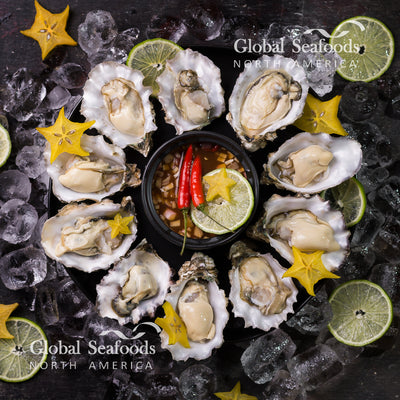
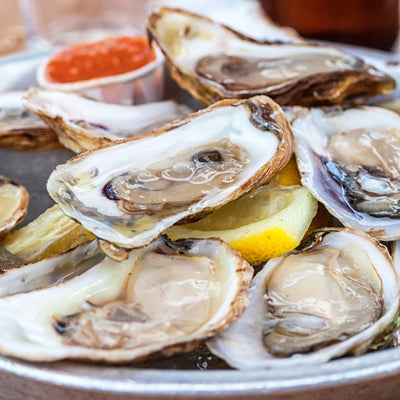
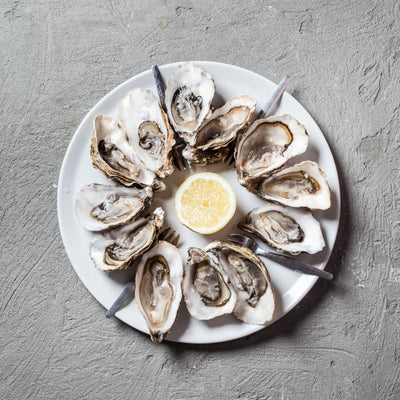
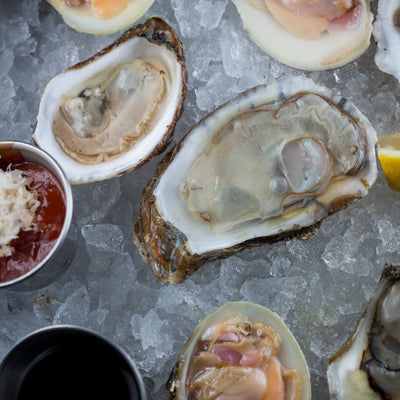
✔ Enjoy pure, unfiltered ocean flavor with a squeeze of lemon or a classic mignonette sauce (shallots, red wine vinegar, cracked black pepper).
✔ Serve on crushed ice to keep them cold. Eat within 30 minutes of shucking for the best flavor.
✔ Their petite size makes them ideal for a single-bite experience – the hallmark of a premium raw bar oyster.
2. Grilled to Perfection
✔ Place oysters on a hot grill (still in the shell) for 3–4 minutes until they begin to open.
✔ Top with garlic butter, fresh herbs, and a splash of white wine for an elevated, smoky flavor.
✔ Finish with a squeeze of lemon and a pinch of flaky sea salt.
3. Baked or Broiled
✔ Try classic preparations like Oysters Rockefeller (spinach, Pernod, breadcrumbs, and Parmesan) or cheesy parmesan-baked oysters with garlic and cream.
✔ Broil for 4–5 minutes until the topping is golden and bubbling. The petite size means they cook quickly – watch carefully to avoid overcooking.
4. In Seafood Dishes
✔ Incorporate them into creamy pasta, seafood chowder, or elegant hors d’oeuvres.
✔ Add to a seafood stew or cioppino in the last 2–3 minutes of cooking – they need very little heat.
✔ Use as a topping for oyster shooters with vodka, horseradish, and hot sauce for a dramatic cocktail-hour presentation.
With their delicate, slightly sweet, and briny profile, Cliff Point Petite Oysters add luxury and sophistication to any meal.
Sustainability & Conservation: Protecting Future Generations
1. Commitment to Sustainable Oyster Farming
Cliff Point Oyster Farm follows eco-friendly farming techniques to:
✔ Minimize environmental impact and prevent habitat destruction – cage and longline systems avoid seafloor disturbance.
✔ Support oyster bed restoration through shell recycling programs that return cultch to the water for new spat settlement.
✔ Protect marine biodiversity by maintaining healthy water conditions and avoiding chemical inputs.
2. Why Sustainable Oyster Farming Matters
🔹 Oysters naturally filter water, removing pollutants and improving ocean health – filtering up to 50 gallons per oyster per day.
🔹 Sustainable aquaculture reduces pressure on wild populations, ensuring oyster populations remain strong and stable for future generations.
🔹 Protecting oyster reefs benefits entire marine ecosystems, providing habitats for fish, crabs, and other sea life – oyster reefs support up to 50x more species than bare sediment.
By choosing sustainably farmed Cliff Point Petite Oysters, you’re supporting responsible seafood practices and helping preserve our oceans for future generations.
Where to Buy Fresh Cliff Point Petite Oysters Online
Looking for high-quality, sustainably farmed oysters? Check out these premium selections from Global Seafoods:
🛒 Cliff Point Petite Oysters
🛒 Fresh Oyster Collection
🛒 Tidepoint Oysters
🛒 Willapa Bay Oysters
🛒 Miyagi Oysters
🛒 Carbajal Oysters
🛒 Maine Oysters
🎥 Watch oyster farming & culinary tips on the Global Seafoods YouTube Channel!
FAQs About Cliff Point Petite Oysters
How long does it take to grow a Cliff Point Petite Oyster?
Cliff Point Petite Oysters typically take 18–24 months to reach harvest size (2–2.5 inches) from the time they are seeded as spat (larval oysters). The cold Pacific Northwest waters slow their growth compared to oysters grown in warmer regions – a slower growth rate that concentrates flavor and develops the complex, briny-sweet profile the variety is known for. Water temperature, salinity, food availability (phytoplankton density), and farming method (floating vs. subtidal) all affect growth rate. Floating culture in high-tidal-flow areas tends to produce faster growth and more consistent shell shape than bottom culture.
How do I shuck a Cliff Point Petite Oyster safely?
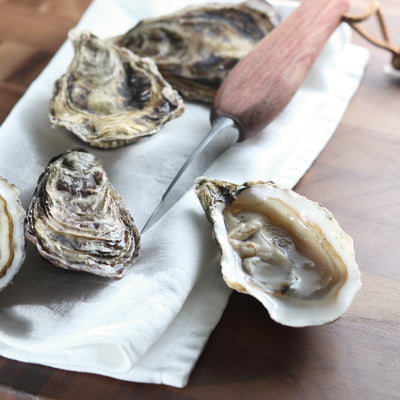
To shuck safely: wrap the oyster in a thick towel with the flat side up and the hinge pointing toward you; insert an oyster knife into the hinge (the pointed end) with a firm twisting motion – do not stab; once the hinge pops, slide the knife along the top shell to sever the adductor muscle; remove the top shell; then slide the knife under the oyster to sever the bottom adductor muscle, keeping the liquor (natural juice) in the shell. Never use a regular kitchen knife – oyster knives have a blunt, sturdy blade designed for this purpose. Petite oysters are easier to shuck than large oysters due to their smaller hinge.
What is the best mignonette sauce recipe for Cliff Point Petite Oysters?
A classic mignonette that complements the briny sweetness of Cliff Point Petite Oysters: combine 2 tbsp finely minced shallots, 3 tbsp red wine vinegar, 1 tbsp champagne vinegar, and 1 tsp coarsely cracked black pepper. Mix and refrigerate for at least 30 minutes before serving – the shallots mellow and the flavors meld. Spoon just 1/2 tsp per oyster – the goal is to accent, not mask, the oyster’s natural flavor. Variations: add a pinch of sugar for balance, a few drops of hot sauce for heat, or substitute sherry vinegar for a nuttier profile. Serve the mignonette in a small bowl on crushed ice alongside the oysters.
How should I store live Cliff Point Petite Oysters at home?
Live oysters should be stored cup-side down (flat shell up) in the refrigerator at 35–40°F (2–4°C) – never in an airtight container or submerged in fresh water, which will kill them. Cover with a damp cloth or damp newspaper to maintain humidity. Properly stored, live oysters will keep for 5–7 days from the harvest date – always check the harvest date tag and consume as fresh as possible. Discard any oysters with cracked shells, a strong unpleasant odor, or shells that do not close when tapped. Never store oysters on ice that is melting into fresh water – use a drip tray or colander above the ice.
How do I pair wine with Cliff Point Petite Oysters?
The briny, mineral-forward profile of Cliff Point Petite Oysters pairs beautifully with wines that share those qualities: Muscadet (Melon de Bourgogne) from the Loire Valley is the classic pairing – its crisp acidity, light body, and saline minerality mirror the oyster’s flavor perfectly. Chablis (unoaked Chardonnay from Burgundy) is another excellent choice – its flinty, oyster-shell minerality is legendary. Champagne or Crémant – the bubbles cleanse the palate between bites and the yeasty complexity complements the oyster’s brine. Dry Riesling from Alsace or Germany works well for those who prefer a touch of fruit. Avoid oaky, buttery Chardonnay or tannic reds – they overwhelm the delicate oyster flavor.
Final Thoughts: Appreciating the Journey of Cliff Point Petite Oysters
From the pristine waters of Cliff Point to your dining table, the journey of these exceptional oysters is a testament to quality, sustainability, and culinary excellence.
✔ Sustainably farmed in cold Pacific Northwest waters over 18–24 months – slow growth builds complex flavor
✔ Strict harvesting and quality control – visual inspection, taste testing, safety checks, and harvest date tagging
✔ Versatile culinary uses – raw on the half shell, grilled, baked, or in seafood dishes
Next time you enjoy a Cliff Point Petite Oyster, take a moment to appreciate the craftsmanship, dedication, and sustainability efforts that make this delicacy truly special.
Related Products


Also in News

Snail Caviar: How White Escargot Caviar Is Farmed, Harvested and Made

The Dark Years of Pacific Salmon: A 20-Year Outlook for Alaska, Russia, and the Red Caviar Market

King Crab Legs Delivery: Is It Worth It? Exploring the Benefits and Best Options
Shop Now
Main
