
Ikura 101: All You Need to Know About This Delicious Delicacy

Ikura 101: This Delicious Delicacy
Ikura, also known as red caviar or salmon roe, is a prized delicacy that combines elegance, nutrition, and a burst of flavor in every bite. Revered in Japanese and Russian cuisines, ikura has found its way into the global culinary scene, offering a gourmet experience that delights seafood lovers and connoisseurs alike.
In this comprehensive guide, we'll explore everything from ikura's history and nutritional benefits to its preparation, recipes, and pairing suggestions. Whether you're savoring it on sushi or using it to elevate your dishes, ikura is a culinary gem worth mastering.
1. What is Ikura?
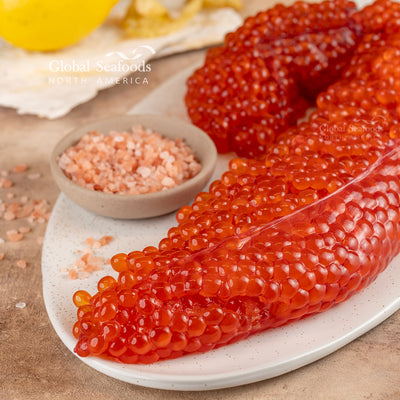
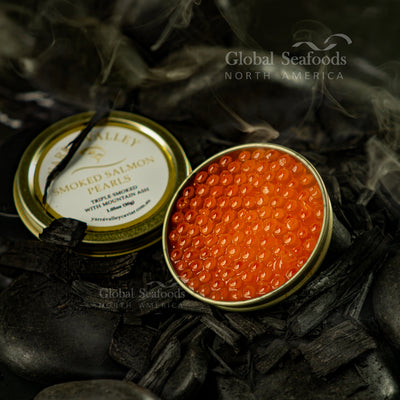
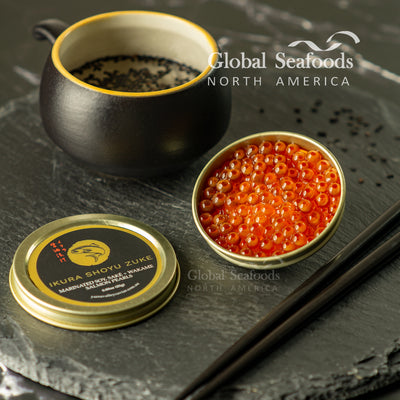
Ikura refers to salmon roe that has been salted and cured to enhance its flavor and shelf life. Each pearl-like egg bursts with briny goodness, making ikura a popular ingredient in Japanese cuisine and an essential addition to sushi, rice bowls, and canapés.
Distinctive Characteristics of Ikura:
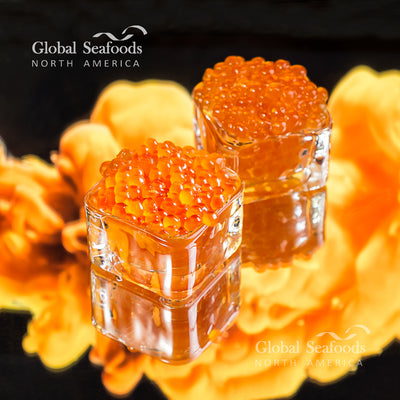
- Appearance: Bright orange to deep red translucent eggs.
- Flavor: A balance of saltiness, brininess, and a hint of sweetness.
- Texture: Firm yet delicate, providing a satisfying pop when eaten.
Ikura is distinct from sturgeon caviar, which is often more expensive and less vibrant in color.
2. The History of Ikura: A Culinary Tradition
Ikura's roots are deeply embedded in Japanese and Russian cuisines, where it has been cherished for centuries.
Ikura in Japanese Cuisine
- Symbol of Prosperity: In Japanese culture, ikura is a staple in osechi ryori (New Year's dishes) and represents abundance and good fortune.
- Traditional Uses: Commonly served as a topping for sushi, sashimi, or rice bowls like ikura donburi.
Ikura in Russian Culture
- A Sign of Wealth: Known as ikra, red caviar has been a symbol of luxury and celebration since the Tsarist era.
- Classic Pairings: Often served with blinis, sour cream, and champagne or vodka during festive occasions.
This blend of culinary heritage and symbolism has contributed to ikura's reputation as a global gourmet treasure.
3. Nutritional Benefits of Ikura
Ikura is not just a luxurious indulgence; it's a powerhouse of nutrients that supports overall health.
Key Health Benefits of Ikura:
- Omega-3 Fatty Acids: Promotes heart and brain health, reduces inflammation, and supports cognitive function.
- Protein-Rich: High-quality protein aids muscle repair, making it a great choice for active lifestyles.
- Vitamin D and B12: Boosts immunity, energy levels, and bone health.
- Astaxanthin: The antioxidant that gives ikura its vibrant hue helps combat oxidative stress and supports skin health.
According to the American Heart Association, regular consumption of Omega-3-rich foods like ikura can lower the risk of heart disease and improve cardiovascular health.
4. How to Buy High-Quality Ikura
Selecting premium ikura ensures the best flavor, texture, and nutritional benefits.
What to Look for When Buying Ikura:
- Color and Texture: Vibrant, unbroken eggs with a glossy sheen.
- Freshness: A clean, briny aroma without a fishy smell.
- Sustainability: Choose ikura from suppliers that prioritize responsible harvesting practices.
Recommended Products:
- Chum Salmon Caviar: Known for its large eggs and bold flavor.
- Coho Salmon Caviar: Rich and buttery with a delicate texture.
- Golden Pearls Trout Caviar: A unique choice for adventurous palates.
Explore more options in the Red Caviar Collection for high-quality selections.
5. Proper Storage Tips for Ikura
Storing ikura correctly ensures its flavor and texture remain intact.
How to Store Ikura:
- Refrigerate: Keep ikura in an airtight container at 32°F to 39°F.
- Use Quickly: Consume opened ikura within 3-5 days to enjoy its peak freshness.
- Freeze for Longevity: Vacuum-seal and freeze ikura for up to three months.
Pro Tip:
Thaw frozen ikura slowly in the refrigerator overnight to prevent texture loss. Avoid rapid thawing methods, which can damage the eggs.
6. How to Serve Ikura Like a Pro
Ikura's versatility makes it a standout ingredient in both casual meals and fine dining.
Classic and Creative Serving Ideas:
- Sushi and Sashimi: Add a spoonful of ikura to enhance sushi rolls or sashimi platters.
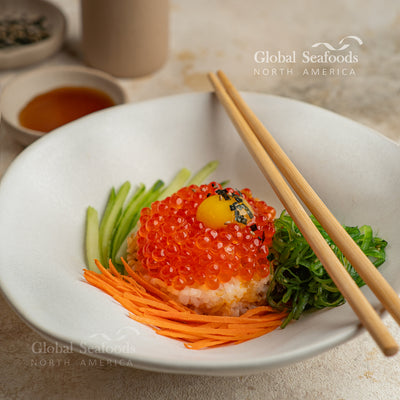
- Rice Bowls: Layer ikura over steamed rice with avocado and nori for a traditional Japanese donburi.
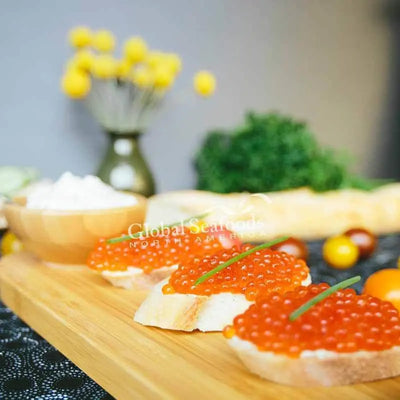
- Canapés and Appetizers: Serve ikura on blinis with sour cream or cream cheese for an elegant touch.
- Gourmet Salads: Toss ikura with arugula, cucumbers, and a citrus vinaigrette for a refreshing salad.
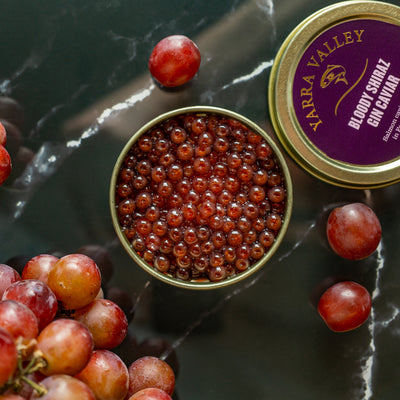
For a modern twist, try pairing ikura with Bloody Shiraz Infused Caviar.
7. Cooking with Ikura: Recipes to Elevate Your Table
Ikura's unique flavor can transform everyday dishes into gourmet creations.
Ikura Recipe Ideas:
A. Ikura Pasta
- Ingredients: Spaghetti, olive oil, garlic, ikura, and lemon zest.
- Instructions: Toss cooked spaghetti with olive oil and garlic, then garnish with ikura and fresh lemon zest for a luxurious meal.
B. Ikura Deviled Eggs
- Ingredients: Hard-boiled eggs, mayonnaise, ikura, and chives.
- Instructions: Fill halved eggs with a creamy yolk mixture, then top with ikura and a sprinkle of fresh chives.
C. Ikura Sushi Rolls
- Ingredients: Sushi rice, nori, ikura, avocado, and cucumber.
- Instructions: Assemble sushi rolls with your favorite fillings and finish with a generous spoonful of ikura.
Find more recipes and preparation tips on the Global Seafoods YouTube Channel.
8. Sustainability in Ikura Production
As demand for ikura grows, sustainable practices are essential to protect wild salmon populations and marine ecosystems.
How to Choose Sustainable Ikura:
- Look for eco-certifications like MSC (Marine Stewardship Council).
- Support suppliers that prioritize ethical and sustainable fishing practices, such as Global Seafoods.
By choosing responsibly sourced ikura, you contribute to the long-term health of the environment.
9. Frequently Asked Questions About Ikura
Q1: Is ikura the same as regular caviar?
No. Ikura is salmon roe, while traditional caviar is harvested from sturgeon.
Q2: How long does ikura last?
Unopened ikura can last up to three months in the refrigerator. Once opened, consume within 3-5 days.
Q3: Can I freeze ikura?
Yes, freezing is a great way to extend its shelf life. Ensure it is sealed tightly to prevent freezer burn.
Q4: How is ikura typically served?
Ikura is commonly served on sushi, rice bowls, or as an appetizer with crackers or blinis.
Q5: Where can I buy premium ikura?
Shop high-quality ikura at Global Seafoods.
Ikura is a culinary delight that brings elegance, flavor, and nutrition to your table. Whether served traditionally or used creatively in modern recipes, mastering the art of ikura will enhance your dining experience.
For more seafood inspiration and tips, explore the Global Seafoods YouTube Channel.

Related Products


Also in News

Snail Caviar: How White Escargot Caviar Is Farmed, Harvested and Made

The Dark Years of Pacific Salmon: A 20-Year Outlook for Alaska, Russia, and the Red Caviar Market

King Crab Legs Delivery: Is It Worth It? Exploring the Benefits and Best Options
Shop Now
Main
