
Indulge in Exquisite Delight: The Ultimate Guide to Pairing Caviar with Crackers

The Ultimate Guide to Pairing Caviar with Crackers
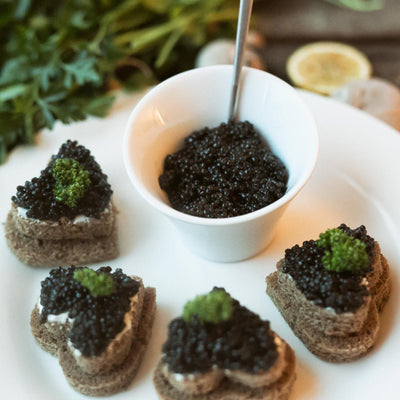
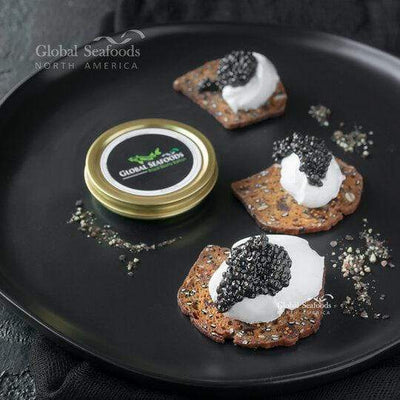
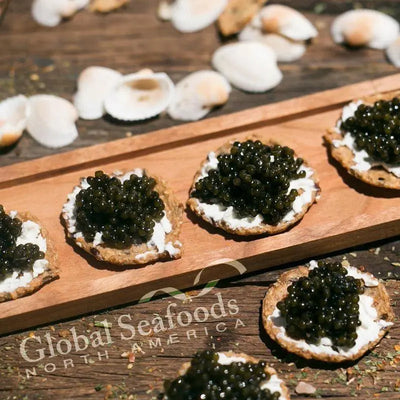
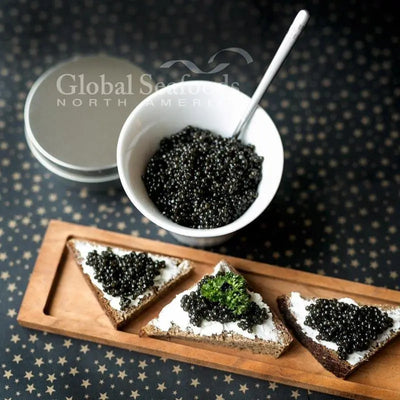
Caviar on crackers is one of the simplest and most elegant appetizers in fine dining — a single bite that delivers the full luxury of caviar with the satisfying crunch of a well-chosen base. The key is restraint: the cracker should support the caviar, not compete with it. This guide covers the best crackers for red and black caviar, how to serve caviar properly, and the classic accompaniments that elevate the experience.
🔗 Red Caviar Collection | 🔗 Full Caviar Collection | 🔗 Trout Red Caviar
Red Caviar vs. Black Caviar: The Basics
- Red caviar — roe from salmon (chum, coho, sockeye, king) or trout; larger pearls (3–5mm); bright, briny, slightly sweet flavor; more affordable; excellent for everyday entertaining
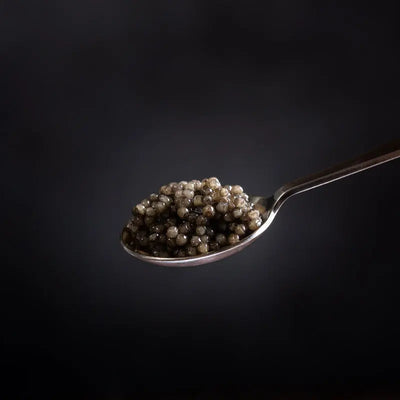
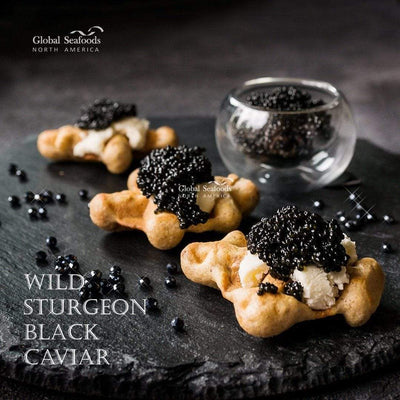
- Black caviar — roe from sturgeon species (Ossetra, Sevruga, Siberian, White Sturgeon); smaller pearls (2–3mm); rich, buttery, complex flavor with a long finish; premium price; the traditional luxury caviar
Both are exceptional — they pair differently with crackers and accompaniments due to their different flavor intensities and pearl sizes.
Best Crackers for Caviar
For Black Caviar — Delicate and Neutral
Black caviar's subtle, complex flavor requires a cracker that doesn't compete. Choose thin, neutral-flavored crackers that provide crunch without assertive taste:
- Carr's Table Water Crackers: The benchmark neutral cracker; light, crisp, and completely neutral — lets the caviar's flavor speak for itself
- 34 Degrees Original Crisps: Super-thin profile; subtle taste; excellent for both red and black caviar
- Blinis (mini buckwheat pancakes): The traditional Russian accompaniment; their slight earthiness and pillowy texture complement the silky mouthfeel of black caviar; serve warm
- Toast points: Thin-sliced white bread, toasted and cut into triangles; classic and elegant
For Red Caviar — Slightly More Texture
Red caviar's larger pearls and bolder, brinier flavor can handle a cracker with slightly more character:
- La Panzanella Croccantini: Thin, crisp, slightly rustic texture; sturdy enough to hold larger salmon roe pearls without breaking; the contrast between crunchy cracker and bright caviar is excellent
- Rye crispbread (Wasa, Finn Crisp): The earthy, slightly nutty flavor of rye complements the briny sweetness of salmon caviar particularly well — a Scandinavian pairing with centuries of tradition
- Cucumber rounds: Not a cracker, but an excellent low-carb alternative; the cool, mild cucumber provides a refreshing contrast to the salty caviar
How to Serve Caviar Properly
The Rules
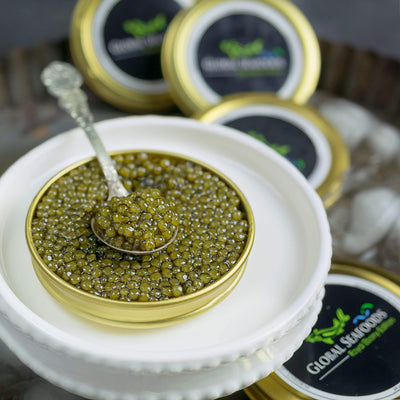
- Never use metal spoons: Metal (especially silver) reacts with caviar and imparts a metallic taste that ruins the flavor. Use mother-of-pearl, bone, horn, or plastic spoons. This is the single most important rule of caviar service.
- Serve cold: Caviar should be served at 28–32°F (-2 to 0°C) — just below the freezing point of water (caviar's salt content prevents it from freezing at this temperature). Nest the caviar tin in a bowl of crushed ice.
- Portion size: 1 oz (28g) per person as an appetizer; 2 oz per person as a featured course. Don't over-portion — caviar is meant to be savored in small amounts.
- Open just before serving: Caviar oxidizes quickly once opened; serve within 15–20 minutes of opening for best flavor.
- Don't cook caviar: Heat destroys the delicate flavor and texture; always add caviar as a cold garnish at the end of preparation.
Classic Accompaniments
- Crème fraîche: A small dollop on the cracker before the caviar; its mild acidity and richness complement both red and black caviar
- Chives: Finely minced; adds a mild onion note without overpowering
- Lemon: A tiny squeeze or a small wedge on the side; the acidity brightens the caviar's flavor
- Hard-boiled egg: Finely grated yolk and white served separately; a traditional accompaniment that adds richness
- Sour cream: A more accessible alternative to crème fraîche; works well with red caviar
What to Avoid
- Strong flavors: Onion, capers, and strong herbs overpower delicate black caviar; use sparingly with red caviar
- Flavored crackers: Herb, cheese, or sesame crackers compete with the caviar's flavor
- Warm crackers or bases: Heat softens caviar and accelerates oxidation
Caviar and Drink Pairings
- Champagne (Blanc de Blancs): The classic pairing; the acidity and effervescence cleanse the palate between bites; Blanc de Blancs (100% Chardonnay) is the most complementary style
- Ice-cold vodka: The traditional Russian pairing; neutral spirit that doesn't compete with the caviar's flavor; serve in frozen shot glasses
- Chablis or unoaked Chardonnay: Mineral, high-acid white wine that complements caviar's oceanic character
- Avoid: Tannic red wines (clash with caviar's iodine); heavily oaked whites (overwhelm delicate flavors)
Shop Caviar
- 🔗 Trout Red Caviar
- 🔗 Rainbow Trout Pearls
- 🔗 Bloody Shiraz Infused Caviar
- 🔗 Red Caviar Collection
- 🔗 Full Caviar Collection
🎥 Watch caviar serving tutorials on the Global Seafoods YouTube Channel
FAQs: Caviar on Crackers
Why can't you use metal spoons with caviar?
Metal — especially silver — reacts with the delicate oils and proteins in caviar and imparts a metallic, off-putting taste that masks the caviar's natural flavor. This is the most important rule of caviar service. Use mother-of-pearl spoons (the traditional choice), bone, horn, or even plastic spoons. Many premium caviar tins come with a mother-of-pearl spoon for this reason. If you don't have one, a clean plastic spoon is perfectly acceptable.
How should I store caviar and how long does it last?
Store caviar in the coldest part of the refrigerator — ideally between 28–32°F (-2 to 0°C). Unopened, most caviar lasts 4–6 weeks refrigerated (check the best-by date on the tin). Once opened, consume within 2–3 days for maximum freshness — caviar oxidizes quickly after opening. Never freeze caviar; freezing damages the delicate egg membranes and ruins the texture. Nest the tin in crushed ice when serving.
What is the difference between red caviar and black caviar?
Red caviar comes from salmon (chum, coho, sockeye, king) or trout; it has larger pearls (3–5mm), a bright briny flavor with mild sweetness, and is significantly more affordable. Black caviar comes from sturgeon species (Ossetra, Sevruga, Siberian, White Sturgeon, Beluga); it has smaller pearls (2–3mm), a rich buttery flavor with complex finish, and commands premium prices. Both are excellent — red caviar is ideal for everyday entertaining; black caviar is the traditional luxury choice for special occasions.
Related Products

Also in News

Snail Caviar: How White Escargot Caviar Is Farmed, Harvested and Made

The Dark Years of Pacific Salmon: A 20-Year Outlook for Alaska, Russia, and the Red Caviar Market

King Crab Legs Delivery: Is It Worth It? Exploring the Benefits and Best Options
Shop Now
Main
