
Amur Kaluga Caviar: The Ultimate Luxury Delicacy

Amur Kaluga Caviar
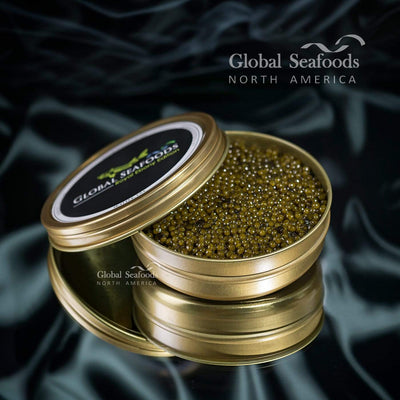
Amur Kaluga Caviar stands as a pinnacle of gourmet excellence. This prized delicacy, known for its buttery taste and large, glossy pearls, is a favorite among culinary enthusiasts worldwide. Whether you’re a seasoned caviar lover or exploring its luxurious flavors for the first time, this guide will help you understand, savor, and celebrate the unique elegance of Amur Kaluga Caviar.
What is Amur Kaluga Caviar?
Amur Kaluga Caviar comes from the Huso Dauricus sturgeon, native to the Amur River basin along the China-Russia border. This species produces some of the world’s most sought-after caviar, comparable to the iconic Beluga caviar in size, texture, and taste.
Why It’s Special
- Exceptional Flavor: Buttery, nutty, and briny with hints of earthiness.
- Luxurious Texture: Large, firm pearls that melt in your mouth.
- Sustainability: Harvested using eco-friendly aquaculture practices, preserving sturgeon populations for future generations.
The Taste of Luxury: Amur Kaluga Caviar Flavor Profile
Amur Kaluga Caviar delivers an indulgent taste experience:
- Rich and Creamy: A smooth, buttery flavor balanced by subtle briny notes.
- Nutty Undertones: Delicate hints of nuts and earthiness that add depth.
- Melting Texture: Each pearl bursts with flavor and melts effortlessly on your palate.
As renowned chef Alain Ducasse once said, “Caviar is not just food; it’s an emotion.”
Perfect Pairings for Amur Kaluga Caviar
Pairing caviar correctly enhances its flavor and elevates the dining experience.
Traditional Pairings
- Blinis: Soft, delicate Russian pancakes that complement the creamy texture of caviar.
- Crème Fraîche: Adds a tangy, rich layer to balance the brininess.
- Toast Points: Lightly buttered toast provides a satisfying crunch.
Beverage Pairings
- Champagne: The effervescence cleanses your palate, enhancing the caviar’s subtle flavors.
- Dry White Wines: A crisp Sauvignon Blanc or Chardonnay complements its buttery notes.
- Vodka: Traditional Russian pairing that accentuates caviar’s pure taste.
How to Savor Amur Kaluga Caviar
To fully appreciate this luxurious delicacy, follow these tips:
Serving Tips
- Temperature: Serve caviar chilled between 28°F to 32°F (-2°C to 0°C).
- Utensils: Use mother-of-pearl, wooden, or plastic spoons to avoid metallic aftertastes.
- Presentation: Serve on a bed of crushed ice to maintain its freshness.
How to Taste
- Take a small amount with a non-metallic spoon.
- Place it on your tongue and let the pearls burst naturally.
- Enjoy the layers of flavor as they unfold.
Sustainable Sourcing of Amur Kaluga Caviar
Sustainability is key to preserving the future of sturgeon and caviar production.
What to Look For
- Certifications: Choose products with Marine Stewardship Council (MSC) or similar certifications.
- Reputable Suppliers: Purchase from trusted sources like Global Seafoods that prioritize eco-friendly practices.
Recipes Featuring Amur Kaluga Caviar
1. Deviled Eggs with Amur Kaluga Caviar
Ingredients:
- 6 eggs
- 3 tbsp mayonnaise
- 1 tsp Dijon mustard
- 1 tsp lemon juice
- 30g Amur Kaluga Caviar
Instructions:
- Boil eggs, peel, and halve them. Remove yolks and mix with mayonnaise, mustard, and lemon juice.
- Pipe yolk mixture into egg whites and top with caviar.
2. Caviar Blinis
Ingredients:
- 1 cup flour
- 1 tsp baking powder
- 1 cup milk
- 2 eggs
- Crème fraîche
- 50g Amur Kaluga Caviar
Instructions:
- Prepare the batter and cook small pancakes on a skillet.
- Serve each blini with crème fraîche and a dollop of caviar.
3. Caviar Pasta
Ingredients:
- 300g pasta
- 2 tbsp butter
- 1 shallot (minced)
- 1 cup heavy cream
- 40g Amur Kaluga Caviar
Instructions:
- Cook pasta. In a skillet, sauté shallots in butter and add cream.
- Toss pasta in sauce and fold in caviar before serving.
FAQs About Amur Kaluga Caviar
Q1: How Should Caviar Be Stored?
Store caviar in an airtight container at 28°F to 32°F. Once opened, consume within 2–3 days.
Q2: Is Amur Kaluga Caviar Safe to Eat?
Yes, it is safe and packed with nutrients like Omega-3 fatty acids. Ensure it’s sourced from a reputable supplier.
Q3: Can You Freeze Caviar?
Freezing is not recommended as it compromises texture and flavor.
Where to Buy Premium Amur Kaluga Caviar
For the best quality, buy from trusted retailers:
Conclusion: A Culinary Indulgence Worth Exploring
Amur Kaluga Caviar isn’t just a food; it’s an experience of luxury and refinement. Its rich flavor, velvety texture, and sustainability make it a must-try for every gourmet enthusiast.
Ready to indulge? Explore premium-quality caviar at Global Seafoods and transform your meals into unforgettable culinary masterpieces.
Explore More Culinary Secrets
Watch More on YouTube for seafood recipes and gourmet tips!
Also in News

Halibut Nutrition Facts: Everything You Need to Know

Crab vs. Lobster: Which is Healthier?

The Health Benefits of Ikura: What You Need to Know
Shop Now
Main
