
Snow Crab Legs Delivery – Fresh & High-Quality Crab Shipped to Your Door

Snow Crab Legs Delivery – Fresh, High-Quality Crab Shipped to Your Door
Are you craving fresh, succulent snow crab legs but don’t live near the coast? No problem! With snow crab legs delivery, you can enjoy restaurant-quality crab from the comfort of your home. Whether you’re preparing a seafood feast, a special dinner, or just indulging in your favorite shellfish, ordering online ensures you get the best quality crab delivered straight to your door.
In this guide, we’ll cover everything you need to know about buying snow crab legs online, including packaging, quality, sourcing locations, storage tips, and the best ways to cook them.
Why Order Snow Crab Legs Online?
Ordering snow crab legs online offers several advantages over purchasing from local grocery stores:
✔ Convenience – Get high-quality crab delivered to your home without having to search for a local seafood market – particularly valuable if you live inland or in an area without access to fresh seafood.
✔ Freshness Guaranteed – Many seafood suppliers flash-freeze their crab legs immediately after harvest to lock in freshness and flavor – flash-frozen crab is often fresher than “fresh” crab at a local grocery store that may have been sitting for days.
✔ Wide Selection – Choose from different crab leg sizes, cluster weights, and premium seafood options that may not be available locally.
✔ Sustainable Sourcing – Reputable suppliers ensure ethical and eco-friendly harvesting practices – look for MSC-certified suppliers to confirm sustainability credentials.
By choosing a trusted online seafood retailer like Global Seafoods, you can be confident you’re getting the best snow crab legs delivered fresh and ready to enjoy.
Packaging and Shipping – How Do Crab Legs Arrive?
When you order snow crab legs for delivery, they are carefully packaged to maintain freshness and quality. Here’s what you can expect:
1. Flash-Freezing Process
- Most suppliers flash-freeze snow crab legs right after harvesting to preserve their sweet, delicate flavor – flash-freezing at -40°F (-40°C) locks in quality at the peak of freshness, before any enzymatic degradation can occur.
- Flash-freezing locks in the juiciness and ensures the crab legs taste as fresh as possible – properly flash-frozen crab is indistinguishable from fresh-caught in blind taste tests.
2. Insulated Packaging
- Your order will arrive in insulated boxes with dry ice or gel packs to keep the crab legs frozen during transit – the insulation maintains safe temperatures for 24–48 hours.
- The packaging is designed to prevent temperature fluctuations, ensuring the crab stays fresh – open your package promptly upon arrival and transfer to the freezer or refrigerator immediately.
3. Quick and Reliable Shipping
- Many seafood suppliers offer overnight or 2-day shipping for maximum freshness – overnight shipping is strongly recommended for live or fresh (non-frozen) seafood.
- Some companies provide tracking details so you can monitor your delivery and ensure someone is available to receive the package promptly.
4. Storage Instructions
- Your order will include detailed instructions on how to store and thaw your crab legs properly – follow these carefully to preserve quality.
- If your crab legs arrive still frozen with dry ice present, transfer immediately to the freezer. If thawed but cold (below 40°F), refrigerate and cook within 1–2 days.
Where Do Snow Crab Legs Come From? (Sourcing Locations)
Snow crab legs (Chionoecetes opilio) are harvested from cold, nutrient-rich waters in the North Pacific and North Atlantic, which enhance their flavor and texture. The top sources for snow crab legs include:
Alaska (USA) – Bering Sea
- Alaskan snow crab legs are highly prized for their sweet taste and firm texture – the cold, nutrient-rich Bering Sea produces some of the finest snow crab in the world.
- The Bering Sea is one of the most productive and sustainably managed areas for snow crab fishing – managed by the North Pacific Fishery Management Council (NPFMC) with strict annual catch limits.
Canada – Gulf of St. Lawrence & Newfoundland
- Canada’s Gulf of St. Lawrence and Newfoundland waters produce top-quality snow crab – Canada is the world’s largest exporter of snow crab by volume.
- Canadian crab legs are known for their large size and mild, sweet flavor – the cold Atlantic waters of eastern Canada produce snow crab with excellent meat yield.
Japan & Russia – Sea of Japan & Sea of Okhotsk
- Japan and Russia harvest snow crab from the Sea of Japan and Sea of Okhotsk – Japanese snow crab (called “zuwai-gani”) is renowned for its premium quality and is served in high-end restaurants.
- Japanese snow crab legs are known for their delicate texture and slightly briny, sweet taste – the cold, deep waters of the Sea of Japan produce exceptionally flavorful crab.
Looking for premium-quality snow crab legs? Check out Global Seafoods for the best online selection of fresh seafood!
How to Store and Prepare Your Delivered Snow Crab Legs
Once your snow crab legs arrive, it’s important to store and prepare them correctly for the best taste and texture.
How to Store Snow Crab Legs
- Refrigerate: If you plan to eat them within 1–2 days, store them in the refrigerator at 32°F to 34°F – keep in the coldest part of the refrigerator, ideally on ice in a covered container.
- Freeze: If you’re not cooking them immediately, store them in the freezer in vacuum-sealed bags. Properly frozen crab legs can last up to 6 months – quality is best within 3 months.
How to Thaw Snow Crab Legs
- The best way to thaw frozen crab legs is to place them in the refrigerator overnight (8–12 hours) – slow thawing preserves texture and prevents the meat from becoming watery.
- For a quicker method, place the crab legs in a sealed plastic bag and submerge in cold water for 30–45 minutes – change the water every 15 minutes. Never thaw at room temperature or in warm water.
Best Cooking Methods for Snow Crab Legs
Once thawed, cooking snow crab legs is simple and quick – snow crab legs are pre-cooked before freezing, so you’re simply reheating them. Here are the top 3 cooking methods:
1. Steaming (Best for Flavor Retention)
- Fill a large pot with 2 inches of water and bring it to a boil.
- Place a steamer basket over the water and add the crab legs.
- Cover and steam for 5–7 minutes until heated through – steaming is the preferred method as it preserves the crab’s natural sweetness without diluting the flavor in water.
- Serve with melted butter and lemon for extra flavor – clarified butter (ghee) is the classic accompaniment.
2. Boiling (Quick & Easy Method)
- Bring a large pot of salted water to a rolling boil – add 1 tablespoon of salt per quart of water.
- Add the crab legs and boil for 4–5 minutes – do not overcook, as the meat can become rubbery.
- Drain and serve with your favorite dipping sauce – garlic butter, cocktail sauce, or Old Bay aioli are all excellent choices.
3. Baking (Oven Method)
- Preheat oven to 375°F (190°C).
- Place the crab legs on a baking sheet, brush generously with butter and garlic, and cover tightly with foil to trap steam.
- Bake for 12–15 minutes until fully heated – the foil traps steam and keeps the meat moist. Remove foil for the last 2 minutes for a slightly caramelized finish.
FAQs – Snow Crab Legs Delivery
How long does it take for snow crab legs to arrive after ordering?
Most seafood companies offer overnight or 2-day shipping to maintain freshness. Overnight shipping is strongly recommended – your order is typically packed with dry ice or gel packs to maintain safe temperatures during transit. Order early in the week (Monday–Wednesday) to avoid weekend shipping delays. Most orders placed before the daily cutoff time ship the same day.
Can I refreeze snow crab legs if they arrive thawed?
If they are still cold (below 40°F) and have been thawed for less than 24 hours, you can safely refreeze them – though some texture quality may be lost with each freeze-thaw cycle. If they are warm to the touch or have been thawed for more than 24 hours, cook them immediately rather than refreezing. When in doubt, cook and eat – cooked crab legs can then be refrigerated for 3–5 days or refrozen for up to 3 months.
Do I need to be home to receive my order?
Some seafood deliveries require a signature, while others may be left at your door. Check with your supplier for specific delivery policies. For perishable seafood, it’s strongly recommended to be home or have someone available to receive the package promptly – leaving frozen seafood on a doorstep in warm weather can compromise quality. Many suppliers allow you to specify a delivery date to ensure you’re available.
How do I know if my crab legs are fresh?
Fresh crab legs should smell slightly briny (like the ocean), feel firm, and have a bright orange-red color. Signs of poor quality: off or ammonia-like odor, slimy or mushy texture, discoloration (gray or black patches), or ice crystals inside the packaging (indicating thawing and refreezing). If your order arrives in poor condition, contact your supplier immediately – reputable seafood companies stand behind their products with satisfaction guarantees.
Are snow crab legs sustainable?
Yes – Alaskan and Canadian snow crab fisheries follow strict sustainability guidelines. The Alaskan Bering Sea snow crab fishery is managed by the NPFMC with annual catch limits based on stock assessments. Canadian snow crab fisheries are certified by the Marine Stewardship Council (MSC) in many regions. Look for MSC-certified snow crab to confirm sustainability credentials. Note: some Bering Sea snow crab populations have faced recent stock declines due to warming ocean temperatures – check current Seafood Watch ratings for the most up-to-date sustainability guidance.
What is the difference between snow crab legs and king crab legs?
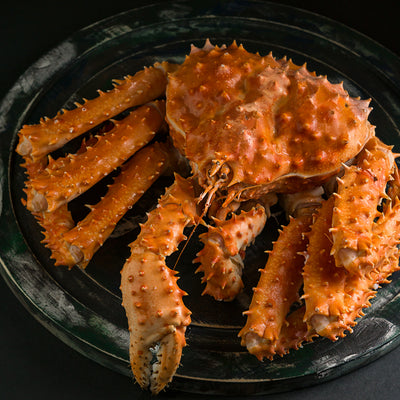
The main differences: Size – king crab legs are significantly larger and meatier than snow crab legs. Flavor – king crab has a richer, more robust flavor; snow crab is sweeter and more delicate. Texture – king crab meat is firmer and more substantial; snow crab meat is more tender and stringy. Price – king crab is significantly more expensive than snow crab. Shell – snow crab shells are thinner and easier to crack; king crab shells are thick and spiny. Both are excellent – snow crab is the more accessible, everyday option; king crab is the special-occasion splurge.
Order Fresh Snow Crab Legs Online Today!
Now that you know everything about snow crab legs delivery, it’s time to order fresh, high-quality crab legs online! Whether you’re preparing a special seafood dinner or just indulging in a delicious meal, fresh snow crab legs delivered to your door are the perfect option.
Where to Buy the Best Snow Crab Legs Online
For premium snow crab legs, check out Global Seafoods – a trusted supplier offering:
- Snow Crab Legs Clusters
- Golden King Crab
- Dungeness Crab Clusters
- Crab Meat & Cocktail Claws
- Browse All Seafood at Global Seafoods
🎥 Watch more about snow crab and premium seafood on the Global Seafoods YouTube Channel.
Order today and enjoy the freshest, most flavorful snow crab legs delivered straight to your door!
Related Products


Also in News

Snail Caviar: How White Escargot Caviar Is Farmed, Harvested and Made

The Dark Years of Pacific Salmon: A 20-Year Outlook for Alaska, Russia, and the Red Caviar Market

King Crab Legs Delivery: Is It Worth It? Exploring the Benefits and Best Options
Shop Now
Main
