
How to Catch Silver Salmon: Expert Tips for Success

How to Catch Silver Salmon: Expert Tips for Success
Silver salmon (coho, Oncorhynchus kisutch) are one of the most exciting sport fish in the Pacific Northwest and Alaska -- acrobatic, hard-fighting, and delicious. This guide covers everything you need for a successful coho fishing trip: season and location, gear, techniques, behavior, reading water, fighting and landing, and regulations.
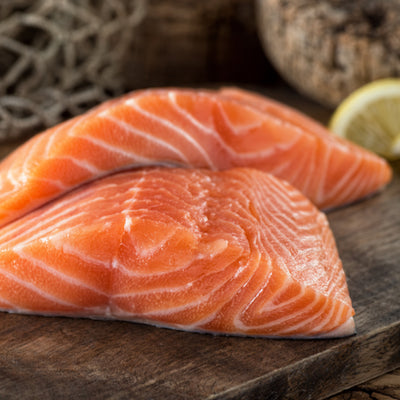
Coho Salmon Fillet Portions | Silver Salmon at Global Seafoods
Global Seafoods YouTube Channel
What Makes Silver Salmon Fishing Unique?
Coho are smaller than Chinook (king) salmon -- typically 8-12 lbs, with trophy fish reaching 20+ lbs -- but are renowned for their fight: explosive runs, aerial leaps, and tail-walking on the surface. They are aggressive strikers and will hit lures and flies with force, making them exciting to target on both spinning and fly gear. Their firm, flavorful flesh makes them one of the most prized table fish among Pacific salmon species. Fresh chrome coho (recently arrived from the ocean) are the most aggressive strikers and the best eating; fish that have been in freshwater longer become darker, softer, and less desirable at the table.
Best Season and Locations
Season
Coho begin their return from the ocean to freshwater rivers from late summer through fall. Peak fishing varies by location:
- Alaska: July-October, with August-September typically peak.
- Pacific Northwest (OR, WA, BC): September-November in most river systems.
- Great Lakes: September-November in tributary streams (coho were introduced to the Great Lakes in the 1960s and are now well-established).
Top Locations
- Alaskan rivers and coasts: The Kenai River is one of Alaska's premier coho fisheries. Kodiak Island, Prince William Sound, and Southeast Alaska coastal streams also produce excellent coho fishing.
- Pacific Northwest rivers: The Willamette, Tillamook, Hoh, Quillayute, and numerous BC rivers have strong coho runs.
- Great Lakes tributaries: Lake Michigan and Lake Ontario tributaries -- particularly in Michigan, Wisconsin, and New York -- offer productive coho fishing in fall.
Always check current regulations, run timing, and permit requirements for your specific location before fishing.
Identifying Fresh vs. Spawned-Out Coho
Knowing the difference between fresh and spawned-out fish dramatically affects both your fishing strategy and table quality:
- Fresh chrome coho: Bright silver skin, firm flesh, sea lice still present (a reliable indicator of very recent ocean entry -- lice die within 24-48 hours in freshwater). These fish are the most aggressive, hardest fighting, and best eating. Target these.
- Transitioning fish: Skin begins to show pink or red blush on the sides, particularly in males. Still good eating if caught early in the transition. Moderately aggressive.
- Spawned-out / colored-up fish: Deep red or green coloration, hooked jaw (kype) on males, soft flesh. These fish are near the end of their life cycle. Catch-and-release is strongly recommended -- flesh quality is poor and releasing them allows spawning to complete.
Reading the Water
Finding where coho hold is as important as any technique. Coho don't distribute evenly through a river -- they concentrate in specific types of water:
- Pools: Deep, slow water downstream of rapids or riffles. Coho rest here before moving upstream. The head (upstream end) and tail (downstream end) of a pool are the most productive zones -- fish stack at the tail waiting to enter, and hold at the head after moving through.
- Tailouts: The shallow, slowing water at the downstream end of a pool where it transitions to the next riffle. One of the most reliable holding spots for coho, especially in low light.
- Current seams: The boundary between fast and slow water. Coho hold in the slower water just adjacent to the current, using it as a conveyor belt for food (in the ocean) or as a resting lane (in rivers). Look for visible lines on the surface where water speeds change.
- Structure: Submerged logs, boulders, and undercut banks create current breaks. Coho hold directly behind or beside these features.
- Bubble lines: Foam and bubbles on the surface indicate current seams and oxygenated water -- fish follow these lines.
- Color changes: Depth transitions visible as color changes from light to dark water. Coho prefer the deeper, darker water adjacent to shallower areas.
Tidal and River Stage Influence
In tidal reaches (the lower sections of rivers influenced by ocean tides), coho movement is strongly tied to tide:
- Incoming tide: Coho push upstream with the rising water. Fish the upper end of tidal reaches on an incoming tide.
- Outgoing tide: Fish drop back or hold. Concentrate on pools and deeper holes.
- River height: After rain events that raise river levels, coho move aggressively upstream. Fish the first 24-48 hours after a rise for peak activity. Very high, turbid water slows movement -- wait for the river to drop and clear slightly.
Essential Gear
Rod and Reel
- Rod: 8-10 foot medium-heavy action rod. Longer rods (9-10 ft) provide better line control for drift fishing and more casting distance from shore.
- Reel: Spinning or baitcasting reel with a smooth drag system. Should hold 150-200 yards of mainline. A smooth, reliable drag is critical -- coho make long, fast runs and a sticky drag will result in broken leaders.
Line and Leader
- Mainline: 20-30 lb braided line -- low stretch for better sensitivity and hook sets.
- Leader: 12-20 lb fluorocarbon -- low visibility in clear water, abrasion resistant. Use lighter leaders (12-15 lb) in clear, low water; heavier (17-20 lb) in turbid or high water.
Lures, Bait, and Flies
- Spinners and spoons: Orange, chartreuse, pink, and silver are consistently productive colors for coho. Blue Fox, Mepps, and Pixee spoons are popular choices. In clear water, natural silver and blue; in turbid water, bright chartreuse or orange.
- Plugs: Kwikfish and Flatfish plugs are effective for river fishing, particularly when back-trolled. Wrap with cured herring or sardine for added scent.
- Bait: Salmon roe, cured eggs, herring, and shrimp are effective -- particularly in colder, higher-flow conditions when scent is important. Cured roe (see below) is one of the most consistently effective coho baits.
- Flies: Bright streamer flies (pink, orange, chartreuse, purple) on a medium-heavy fly rod with a sink-tip or intermediate line. Egg patterns and Intruder-style flies are also productive.
Curing and Rigging Roe
Properly cured salmon roe is one of the most effective coho baits. The curing process firms the eggs, adds color, and releases scent-attracting oils:
- Obtain fresh roe: From a harvested salmon or purchased from a bait shop. Keep cold.
- Cure: Coat the skein (egg sac) generously with a commercial cure (Pro-Cure, BorX O Fire, or similar). The cure draws moisture out and firms the eggs. Add powdered borax for additional firmness. Let cure 4-8 hours in the refrigerator, uncovered, until eggs are tacky but not dry.
- Cut into clusters: Cut the cured skein into nickel- to quarter-sized clusters. Each cluster should hold together but release scent when in the water.
- Rig: Thread onto a size 1/0-2/0 hook using a loop of elastic thread (spawn sac netting) to hold the cluster together. The hook point should be exposed.
- Fish: Drift naturally with the current at the same speed as the water. Coho will pick up the scent trail and move to the bait.
Proven Techniques
Drift Fishing
The most common river technique. Cast upstream and allow your bait or lure to drift naturally with the current at the same speed as the water. Keep the line taut enough to detect strikes but not so tight that it drags the presentation unnaturally. Most effective with roe, cured eggs, or small spinners. Use a pencil lead or slinky sinker to get the presentation near the bottom -- coho hold low in the water column in rivers.
Trolling (Ocean and Large Rivers)
Highly productive in tidal water and large river mouths. Use downriggers or divers to maintain depth -- coho are typically found at 10-40 feet in saltwater. Troll at 1.5-3 mph; vary speed until you find what triggers strikes. Hoochies, spoons, and cut herring are standard trolling offerings. In saltwater, use a flasher 18-24 inches ahead of the lure to add attraction.
Casting and Retrieving (Shore Fishing)
Cast spinners or spoons across and slightly downstream. Allow the lure to sink briefly, then retrieve at medium to fast speed. Vary the retrieve speed and add occasional pauses -- coho often strike on the pause or speed change. This technique works well from river banks, jetties, and beaches. In saltwater, cast into current seams and retrieve with the current.
Fly Fishing
Use bright streamer flies on a medium-heavy fly rod (8-9 wt) with a sink-tip or intermediate line. Swing the fly across and downstream through holding water -- pools, tailouts, and seams between fast and slow current. Coho are aggressive and will chase a fly actively; vary the swing speed and fly size until you find what works. In low, clear water, downsize to smaller flies and lighter tippet.
Understanding Coho Behavior
Feeding Patterns
In the ocean, adult coho are active predators feeding primarily on small fish (herring, sand lance, anchovies) and squid. Once they enter freshwater to spawn, they stop feeding -- but they remain aggressive and will strike lures and flies out of territorial instinct or reflex. This is why bright, flashy lures and flies continue to work in rivers even though the fish are not actively feeding.
Migration and Holding Water
Coho follow consistent migratory paths each year, returning to their natal streams. In rivers, they hold in pools, tailouts, and slower water adjacent to current -- resting before moving upstream. Target these holding areas rather than fast riffles. Early in the run, fish hold in tidal water and lower river sections; as the season progresses they move further upstream.
Activity Timing and Weather
Early morning and late evening are typically the most productive times -- coho are more active and willing to strike during low-light periods. Overcast days can extend productive fishing through midday. Barometric pressure also influences activity: a falling barometer (approaching storm) often triggers aggressive feeding and movement; a rapidly rising barometer after a storm can slow activity temporarily. Stable, overcast conditions are generally the most consistent for coho.
Fighting and Landing Coho
Coho are notorious for jumping -- and a jumping fish can throw the hook if the line goes slack. Key techniques for landing more fish:
- Bow to the fish when it jumps: When a coho leaps, immediately lower your rod tip toward the fish ("bow to the king"). This creates slack that prevents the fish from using its weight against a tight line to throw the hook. Resume pressure as soon as it re-enters the water.
- Keep steady pressure: Between jumps, maintain firm, steady pressure. Don't horse the fish -- let the drag do the work. Sudden jerks can tear the hook free.
- Control the angle: Keep the rod at 45-90 degrees to the fish. Side pressure (rod parallel to the water, pulling to the side) tires the fish faster than straight-up pressure.
- Don't rush the net: Coho have a second wind -- they often surge hard when they see the net or angler. Keep the fish in the water and wait until it is fully tired before netting. A premature net attempt is one of the most common ways to lose a fish at the bank.
- Net head-first: Always net a fish head-first. A fish netted tail-first will thrash out.
Conservation and Regulations
- Check regulations before fishing: Catch limits, size minimums, gear restrictions, and open seasons vary significantly by location and year. Always verify current rules with your state/provincial fish and wildlife agency.
- Obtain required licenses and permits: A valid fishing license is required in all jurisdictions; some areas require additional salmon endorsements or tags.
- Consider releasing females during peak spawning: Releasing spawning females helps preserve future run strength, particularly in smaller river systems. Females can be identified by a rounder, less hooked jaw and a more uniform body shape compared to males.
- Proper catch-and-release technique: Keep fish in the water as much as possible, use barbless hooks where required, and allow full recovery before release. Revive by holding the fish upright in current until it swims away under its own power.
Cooking Your Catch
Coho's mild, slightly sweet flavor and firm texture make it excellent for grilling, smoking, baking, and pan-searing. Cedar plank grilling, lemon herb butter, and miso glaze are all well-suited preparations. Do not overcook -- coho has less fat than Chinook and dries out quickly. Internal temperature of 125-130°F for medium; 145°F for fully cooked. Fresh chrome fish (recently from the ocean) are the best eating -- prioritize these for the table and consider releasing darker, spawning-stage fish.
Coho Salmon Fillet Portions at Global Seafoods
FAQs
How can I tell if I've hooked a silver salmon?
Coho are known for their acrobatic fight -- explosive runs, aerial leaps, and tail-walking on the surface. The combination of speed and aerial display is a reliable identifier. Chinook (king) salmon tend to stay deep and make powerful runs without jumping as frequently.
What's the best time of day to catch silver salmon?
Early morning and late evening during low-light periods. Overcast days can extend productive fishing through midday. Stable, overcast conditions are generally the most consistent for coho.
Do coho stop feeding when they enter freshwater?
Yes -- once coho enter freshwater to spawn, they stop actively feeding. However, they remain aggressive and will strike lures and flies out of territorial instinct or reflex. Bright, flashy presentations continue to work for this reason.
How do I identify a fresh chrome coho vs. a spawned-out fish?
Fresh chrome coho have bright silver skin, firm flesh, and may have sea lice (which die within 24-48 hours in freshwater -- a reliable indicator of very recent ocean entry). Spawned-out fish show deep red or green coloration, a hooked jaw (kype) on males, and soft flesh. Target chrome fish for the best fight and table quality; consider releasing colored-up fish.
What's the difference between fishing for coho vs. Chinook?
Coho are more aggressive strikers and more acrobatic fighters; Chinook are larger, stay deeper, and make longer, more powerful runs without jumping as much. Coho respond well to bright colors and faster presentations; Chinook often prefer larger, slower presentations fished deeper. Coho season (late summer-fall) overlaps with the tail end of Chinook season in many rivers.
Are there size restrictions for silver salmon?
Yes -- size limits, catch limits, and gear restrictions vary by location and season. Always check current regulations with your state or provincial fish and wildlife agency before fishing.
Is silver salmon good to eat?
Yes -- coho is prized for its firm texture, mild flavor, and moderate fat content. It is excellent grilled, baked, smoked, or pan-seared. Do not overcook -- it dries out more quickly than fattier salmon species like Chinook. Fresh chrome fish are the best eating; avoid keeping heavily spawned-out fish.




Related Products


Also in News

Snail Caviar: How White Escargot Caviar Is Farmed, Harvested and Made

The Dark Years of Pacific Salmon: A 20-Year Outlook for Alaska, Russia, and the Red Caviar Market

King Crab Legs Delivery: Is It Worth It? Exploring the Benefits and Best Options
Shop Now
Main
