
Satisfy Your Cravings: The Best Ikura Sushi Delivery Options Near You

Ikura Sushi at Home vs. Delivery: The Cost Comparison That Will Change How You Think About Salmon Roe
A single piece of ikura sushi (gunkan-maki) at a quality sushi restaurant in a major US city costs $6-15. An omakase featuring ikura costs $150-300 per person. Sushi delivery adds a 15-30% platform fee, a delivery fee, and a tip -- a $60 restaurant order becomes an $85-95 delivery order. Meanwhile, 4 oz of premium wild Alaskan salmon roe from a reputable online supplier costs $25-45 and produces 8-12 pieces of ikura sushi at home. The math is not close. This article breaks down the complete cost comparison, explains why home-prepared ikura sushi is fresher than restaurant delivery, and provides everything you need to make the switch.
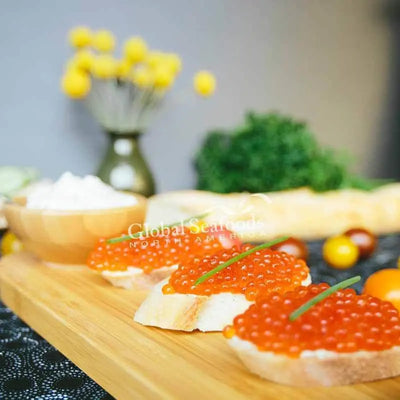
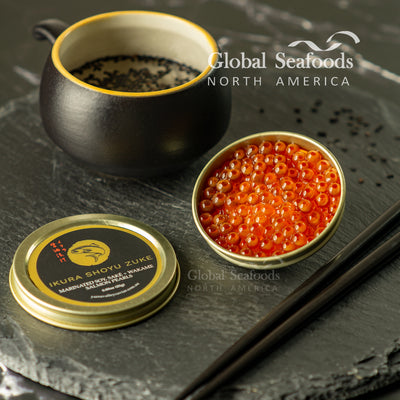
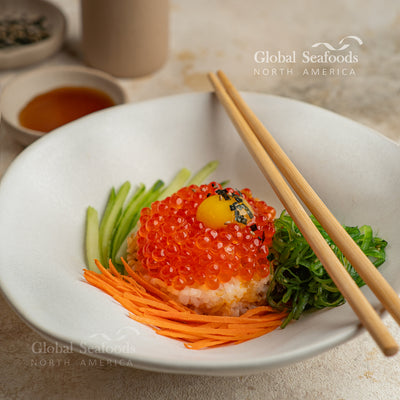
Salmon Roe (Ikura) at Global Seafoods
The Cost Comparison: Restaurant Delivery vs. Home Preparation
Restaurant Delivery: The Full Cost
When you order ikura sushi for delivery, the cost breakdown looks like this: (1) Menu price: a single piece of ikura gunkan-maki at a quality sushi restaurant typically costs $6-15; a 6-piece ikura order costs $36-90; (2) Platform fee: DoorDash, Uber Eats, and similar platforms charge a service fee of 10-15% of the order subtotal; (3) Delivery fee: $2-8 depending on distance and platform; (4) Tip: 15-20% of the order subtotal is standard; (5) Total for a 6-piece ikura order: $36-90 (food) + $4-14 (platform fee) + $2-8 (delivery) + $5-18 (tip) = $47-130 for 6 pieces of ikura sushi; (6) Quality on arrival: sushi rice deteriorates rapidly in transit; the nori softens and becomes chewy; the ikura may have warmed slightly; the presentation is compromised; delivery sushi is almost always inferior to restaurant sushi.
Home Preparation: The Full Cost
When you prepare ikura sushi at home using premium roe: (1) Ikura (4 oz / 115g): $25-45 from a reputable online supplier; produces 8-12 pieces of ikura sushi or 1-2 generous ikura don bowls; (2) Sushi rice (2 cups dry): $2-4; produces enough rice for 8-12 pieces of sushi; (3) Nori (1 sheet): $0.50-1.00; (4) Rice vinegar, sugar, salt: $0.50-1.00; (5) Total for 8-12 pieces of ikura sushi: $28-51 for all ingredients; (6) Cost per piece: $2.50-6.50 per piece vs. $6-15 per piece at a restaurant; (7) Savings: 50-75% less than restaurant pricing, before delivery fees and tips; (8) Quality: the ikura is at its peak freshness; the rice is properly seasoned and at the correct temperature; the nori is crisp; the presentation is as good as you make it.
The Freshness Advantage of Home Preparation
The freshness argument for home preparation is stronger than the cost argument: (1) Restaurant supply chain: the ikura at a sushi restaurant has typically been purchased from a distributor, stored in the restaurant's refrigerator for 1-5 days, and then prepared and delivered; by the time it reaches you, it may be 3-7 days from its peak freshness; (2) Online direct shipping: premium ikura ordered online from a reputable supplier is typically frozen immediately after harvest and shipped overnight or 2-day; when it arrives at your door, it is thawed and at peak freshness; you are the first person to open the container; (3) Temperature during delivery: sushi delivery involves the ikura sitting at room temperature for 20-60 minutes in transit; this is not ideal for a raw, perishable product; home-prepared ikura is served immediately from the refrigerator; (4) The conclusion: home-prepared ikura sushi using premium online-sourced roe is both less expensive and fresher than restaurant delivery ikura sushi in most cases.
What You Need to Make Ikura Sushi at Home
The Ikura
The quality of the ikura is the most important variable. Choose based on your flavor preference and budget:
- Chum Salmon Caviar: large, firm eggs; mild, clean flavor; the most common type of ikura; excellent value; the best choice for traditional gunkan-maki where the size and visual impact of the eggs is important
- Coho Salmon Caviar: medium eggs; mild, slightly sweet flavor; a good choice for those who find sockeye too intense; pairs well with lighter accompaniments
- Trout Red Caviar: smaller eggs; slightly sweeter and less briny than salmon roe; a good entry-level option at a lower price point; excellent for ikura don
- Red Caviar (Sockeye): the most intensely flavored; deep red-orange color; pronounced brininess with a rich, complex flavor; the benchmark for premium ikura
Equipment
- Heavy-bottomed pot with a tight-fitting lid (for the rice)
- Large wide bowl (for seasoning the rice)
- Rice paddle or flat wooden spoon
- Kitchen scissors (for cutting nori strips)
- Mother-of-pearl, bone, or plastic spoon for serving the ikura (never metal -- metal reacts with the salt in the roe and imparts a metallic taste)
- Small bowl of tezu (water + rice vinegar) for wetting your hands while shaping the rice
Ingredients for 8-12 Pieces of Ikura Gunkan-Maki
- 2 cups Japanese short-grain rice (Koshihikari or Calrose)
- 2 1/4 cups cold water
- 3 tbsp rice vinegar (unseasoned)
- 1 1/2 tbsp sugar
- 1 tsp fine sea salt
- 4 oz (115g) premium ikura
- 2 sheets toasted nori, cut into strips approximately 1 inch wide and 7 inches long
- Wasabi, soy sauce, and pickled ginger for serving
Quick-Reference: Sushi Rice and Gunkan-Maki Assembly
Sushi Rice (15 minutes active + 25 minutes passive)
- Wash the rice 4-5 times in cold water until the water runs nearly clear; drain in a fine-mesh strainer for 30 minutes
- Combine the drained rice and 2 1/4 cups cold water in a heavy-bottomed pot; bring to a boil; reduce to the lowest heat; cook 15 minutes (do not lift the lid); remove from heat; steam covered for 10 minutes
- Combine the rice vinegar, sugar, and salt; heat until dissolved; cool to room temperature
- Transfer cooked rice to a large wide bowl; pour the sushi vinegar evenly over the rice; fold with a cutting motion (not stirring) while fanning to cool; use within 1-2 hours; do not refrigerate
Gunkan-Maki Assembly (10 minutes)
- Wet your hands with tezu (1 cup water + 1 tbsp rice vinegar); take approximately 1 1/2 tbsp of sushi rice; shape into an oval (approximately 2 1/2 inches long, 1 inch wide, 3/4 inch tall)
- Wrap a nori strip (shiny-side out) around the perimeter of the rice oval; the nori should extend approximately 1/2 inch above the top of the rice to create a cup; press the ends of the nori together to seal (a grain of rice can be used as glue)
- Spoon the ikura into the nori cup; fill generously -- the ikura should mound slightly above the nori rim
- Add a small amount of wasabi; serve immediately with soy sauce (dip the side of the gunkan into the soy sauce -- do not pour soy sauce over the top, which would wash away the ikura) and pickled ginger
For the complete technique with detailed butterflying instructions, timing guides, and troubleshooting: Ikura Sushi at Home: The Complete Guide
When Restaurant Delivery Is Still the Right Choice
Home preparation is not always the right answer. Restaurant delivery makes sense when: (1) You want variety: a sushi restaurant offers 20-40 different items; home preparation is best when ikura is the focus; if you want a full sushi spread with multiple fish, restaurant delivery is more practical; (2) You need it immediately: home preparation requires 45-60 minutes (rice preparation + assembly); if you need sushi in 30 minutes, delivery is faster; (3) You are serving guests who expect restaurant presentation: home-prepared sushi can be excellent, but it requires practice; for a formal occasion where presentation is critical, a restaurant may be the better choice; (4) You do not have the equipment or ingredients on hand: if you do not have Japanese short-grain rice, nori, and the other ingredients, the startup cost of a first home preparation session is higher; subsequent sessions are much less expensive.
Salmon Roe Collection at Global Seafoods | Chum Salmon Caviar | Coho Salmon Caviar | Trout Red Caviar
Also see: Ikura Sushi at Home: The Complete Guide | The Complete Ikura Buyer's Guide | How to Store Ikura Properly
Watch seafood preparation videos on the Global Seafoods YouTube Channel
FAQs: Ikura Sushi at Home vs. Delivery
How much does it cost to make ikura sushi at home compared to ordering delivery?
Cost comparison: (1) Restaurant delivery (6 pieces of ikura gunkan-maki): $36-90 (food at $6-15 per piece) + $4-14 (platform fee) + $2-8 (delivery fee) + $5-18 (tip) = $47-130 total; (2) Home preparation (8-12 pieces): $25-45 (4 oz premium ikura) + $3-6 (rice, nori, vinegar, sugar, salt) = $28-51 total for more pieces; (3) Cost per piece: restaurant delivery: $8-22 per piece (including all fees); home preparation: $2.50-6.50 per piece; (4) Savings: 50-75% less than restaurant delivery pricing; (5) Startup cost: the first home preparation session requires purchasing Japanese short-grain rice, nori, and rice vinegar (approximately $15-20 in pantry staples); subsequent sessions only require the ikura; (6) The break-even point: after the first session, home preparation is almost always less expensive than restaurant delivery for ikura sushi specifically.
Is home-prepared ikura sushi as fresh as restaurant sushi?
Freshness comparison: (1) Restaurant supply chain: the ikura at a sushi restaurant has typically been purchased from a distributor, stored in the restaurant's refrigerator for 1-5 days, and then prepared and delivered; by the time it reaches you, it may be 3-7 days from its peak freshness; (2) Online direct shipping: premium ikura ordered online from a reputable supplier is typically frozen immediately after harvest and shipped overnight or 2-day; when it arrives at your door, it is thawed and at peak freshness; you are the first person to open the container; (3) Temperature during delivery: sushi delivery involves the ikura sitting at room temperature for 20-60 minutes in transit; this is not ideal for a raw, perishable product; home-prepared ikura is served immediately from the refrigerator; (4) The conclusion: home-prepared ikura sushi using premium online-sourced roe is typically fresher than restaurant delivery ikura sushi; the direct-to-consumer supply chain is shorter and more controlled than the restaurant supply chain; (5) The exception: a high-end sushi restaurant with a very high turnover of ikura (a busy omakase restaurant that goes through several pounds of ikura per day) may have fresher ikura than what you can source online; this is the exception, not the rule.
What is the minimum equipment I need to make ikura sushi at home, and can I use a rice cooker?
Minimum equipment for home ikura sushi: (1) For the rice: a heavy-bottomed pot with a tight-fitting lid (stovetop method) or a rice cooker; both produce excellent sushi rice; a rice cooker is more consistent and requires less attention; if using a rice cooker, use the same water ratio (2 1/4 cups water per 2 cups rice) and the same sushi vinegar seasoning process; (2) For seasoning the rice: a large wide bowl (glass, ceramic, or wood; not metal); a rice paddle or flat wooden spoon; a hand fan or piece of cardboard for fanning; (3) For the ikura: a mother-of-pearl, bone, or plastic spoon; never use a metal spoon (metal reacts with the salt in the roe and imparts a metallic taste); (4) For shaping: wet hands (no special equipment needed); kitchen scissors for cutting nori strips; (5) What you do not need: a bamboo sushi mat (not needed for gunkan-maki or ikura don); a special sushi knife (the ikura is not cut); a hangiri (traditional wooden sushi rice bowl; a large glass or ceramic bowl works equally well); (6) Total equipment cost: if you already have a pot, bowl, and wooden spoon, the only additional item you need is a non-metal spoon for serving the ikura; a set of mother-of-pearl spoons costs $10-20 and is reusable indefinitely.

Related Products


Also in News

Snail Caviar: How White Escargot Caviar Is Farmed, Harvested and Made

The Dark Years of Pacific Salmon: A 20-Year Outlook for Alaska, Russia, and the Red Caviar Market

King Crab Legs Delivery: Is It Worth It? Exploring the Benefits and Best Options
Shop Now
Main
