
The Seafood Market & Customer Experience: Trends and Insights

The Seafood Market & Customer Experience
As global demand for seafood continues to rise, the seafood market is evolving to meet customer needs and expectations. From premium product offerings to online seafood shopping, businesses are redefining the customer experience to stay competitive. Understanding these changes can help both consumers and industry stakeholders make better decisions.
This article explores trends in the seafood market, the role of technology in enhancing customer satisfaction, and actionable insights for seafood buyers.
How Customer Expectations Are Changing in the Seafood Market
Modern customers demand more than just high-quality seafood—they expect convenience, transparency, and sustainability. Key factors influencing customer expectations include:
- Convenience: Consumers seek easy access to seafood through online platforms like Global Seafoods, offering fresh and frozen products delivered to their doorstep.
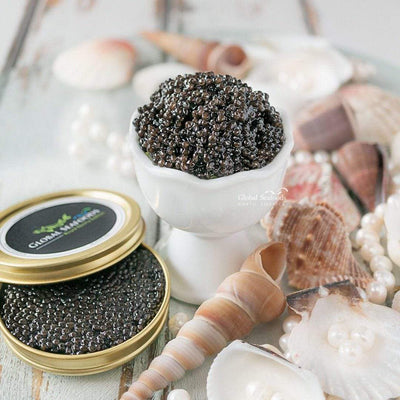
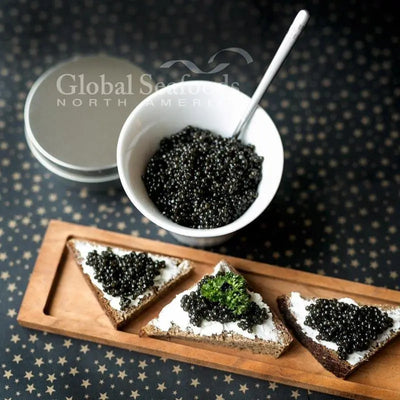
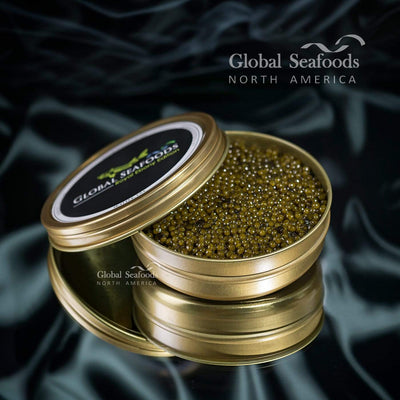
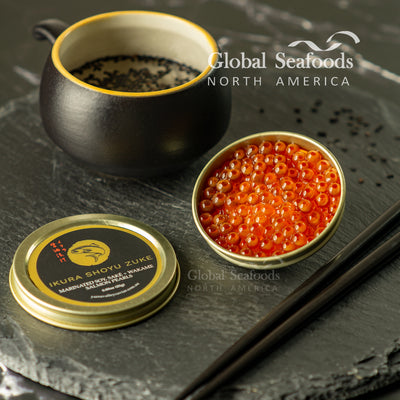
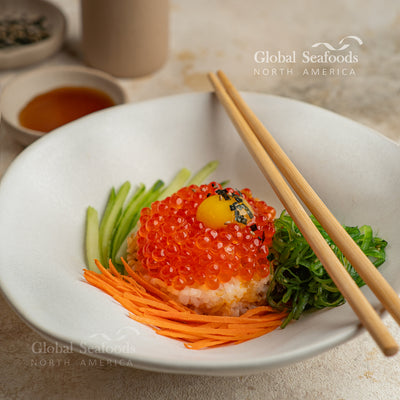
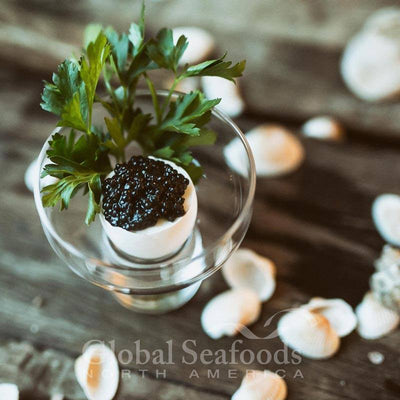
- Premium Quality: Items like red caviar and sturgeon black caviar are increasingly popular among luxury-focused buyers.
- Sustainability: Shoppers prioritize eco-friendly practices, ensuring their purchases support responsible fishing and farming.
According to a Deloitte report, "Customers today value transparency, personalization, and a seamless buying experience over traditional transactional interactions."
The Role of Technology in Enhancing Customer Experience
Technology is revolutionizing the seafood market, making it easier than ever to meet customer demands.
Online Seafood Marketplaces
Platforms like Global Seafoods are reshaping how customers buy seafood. Benefits include:
- Wide Product Selection: From frozen fish to king crab, customers can access diverse options.
- Convenience: Seamless ordering and home delivery improve accessibility for busy shoppers.
Artificial Intelligence (AI)
AI-driven tools personalize recommendations based on customer preferences, ensuring buyers find products suited to their tastes and needs.
Blockchain for Transparency
Blockchain technology tracks seafood from catch to table, ensuring freshness, ethical sourcing, and sustainability.
Trends Shaping the Seafood Market in 2025
Several trends are reshaping the seafood market to align with customer needs:
- Sustainably Sourced Products: Customers increasingly seek certifications like MSC, ASC, and BAP.
- Luxury Seafood Demand: High-end products such as dry-aged fish and red caviar are gaining popularity among affluent buyers.
- Health-Conscious Choices: With growing awareness of seafood's health benefits, buyers prioritize omega-3-rich options.
Challenges in Meeting Customer Expectations
Despite advancements, the seafood market faces challenges:
- Supply Chain Complexity: Maintaining freshness and quality during transportation is critical.
- Education Gap: Many customers are unaware of sustainable seafood practices and certifications.
- Cost Barriers: High-quality, sustainably sourced seafood can be expensive for average consumers.
The Importance of Premium Seafood Offerings
Premium seafood products, such as king crab and sturgeon black caviar, are becoming a key focus for businesses catering to discerning customers.
Why Customers Choose Premium Products
- Superior Taste: High-end seafood delivers unmatched flavor and freshness.
- Health Benefits: Premium seafood is often free of additives and offers superior nutritional value.
- Sustainability: Premium products are often certified, ensuring responsible sourcing practices.
How to Choose the Best Seafood Products
For customers seeking high-quality seafood, here are some tips:
- Check for Certifications: Look for eco-labels like MSC or ASC.
- Shop from Trusted Retailers: Platforms like Global Seafoods guarantee premium quality and sustainability.
- Opt for Fresh or Frozen: Frozen options, such as frozen fish, often retain freshness better than products left unfrozen for extended periods.
How Businesses Can Improve Customer Experience
Seafood businesses can take several steps to enhance customer satisfaction:
- Offer Transparency: Provide detailed information about sourcing and certifications.
- Prioritize Convenience: Ensure seamless shopping experiences through user-friendly websites and fast delivery.
- Educate Customers: Share knowledge about seafood preparation and sustainability, such as recipes or cooking tips for red caviar.
Customer-Centric Innovations in the Seafood Industry
Innovative practices are transforming the seafood market:
- Subscription Boxes: Monthly deliveries of curated seafood selections cater to busy customers.
- Interactive Packaging: QR codes on packaging offer recipes, sourcing details, and preparation tips.
- Sustainability Programs: Companies are introducing buy-back programs for packaging to reduce waste.
Frequently Asked Questions (FAQs)
What are customers looking for in the seafood market?
Customers prioritize quality, sustainability, and convenience. Premium products and online shopping are particularly popular trends.
How has technology improved the seafood buying experience?
Technology enables features like AI-driven personalization, blockchain for transparency, and online platforms for easy access to premium seafood.
What seafood products are trending in 2025?
Luxury items like sturgeon black caviar and health-focused choices such as omega-3-rich fish are in demand.
How can businesses meet customer expectations?
By offering transparency, educating buyers, and leveraging technology, businesses can improve customer satisfaction.
Why is sustainability important to seafood customers?
Sustainability ensures that seafood is responsibly sourced, preserving marine ecosystems and supporting future supply.
Where can I find high-quality seafood?
Reputable platforms like Global Seafoods offer a wide selection of premium and sustainably sourced seafood.
Explore Premium Seafood Products Here:
Subscribe to our YouTube Channel for More Updates:
Global Seafoods on YouTube




Related Products


Also in News

Snail Caviar: How White Escargot Caviar Is Farmed, Harvested and Made

The Dark Years of Pacific Salmon: A 20-Year Outlook for Alaska, Russia, and the Red Caviar Market

King Crab Legs Delivery: Is It Worth It? Exploring the Benefits and Best Options
Shop Now
Main
