
The Top 5 Places to Buy High-Quality Ikura Online: A Comprehensive Guide

How to Buy High-Quality Ikura Online: What to Look For
Ikura (salmon roe) is highly perishable and varies significantly in quality depending on the source, processing method, and handling during shipping. Buying ikura online requires more care than buying most other foods -- you cannot inspect it before purchase, and the cold chain from processor to your door is critical. This guide covers what to look for when buying ikura online, what distinguishes premium ikura from lower-quality roe, and where to find the best selection.
Red Caviar Collection at Global Seafoods | Chum Salmon Caviar | Coho Salmon Caviar | Pink Salmon Caviar
What Makes Ikura High Quality?
1. Source: Wild-Caught Pacific or Alaskan Salmon
The best ikura comes from wild-caught salmon harvested in the clean, cold waters of Alaska and the Pacific Northwest -- primarily from sockeye, coho, chum, and pink salmon. Wild-caught roe has a cleaner, more complex briny flavor and firmer egg texture than farmed salmon roe. Look for suppliers who specify the salmon species and harvest region. "Wild-caught, Pacific Northwest" or "Alaskan" on the label is a meaningful quality indicator.
2. Processing: Minimal Additives, Proper Salting
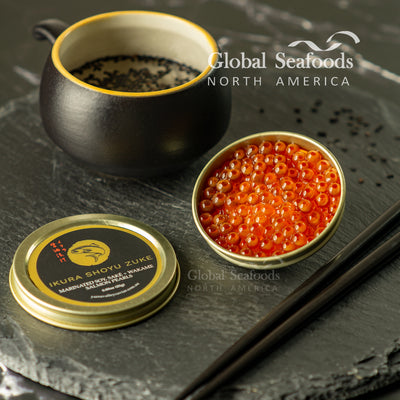
Premium ikura is processed with minimal additives -- ideally just salt (for brined ikura) or no additives at all (for fresh ikura). Avoid products with long ingredient lists that include artificial preservatives, colorings, or flavor enhancers. The salt content of brined ikura should be sufficient to preserve the roe without making it unpleasantly salty -- typically 3-5% salt by weight. Some ikura is marinated in soy sauce and mirin (shoyu ikura); this is a legitimate preparation style, not a quality indicator either way.
3. Packaging: Airtight and Cold-Chain Maintained
Ikura should be vacuum-sealed or packed in airtight glass jars. Vacuum sealing eliminates air contact, which causes oxidation (dull color, stale flavor). The supplier should ship with insulated packaging and ice packs or dry ice to maintain the cold chain during transit. Overnight or 2-day shipping is standard for fresh ikura; longer transit times are a quality risk.
4. Transparency: Species, Harvest Region, Processing Date
Reputable suppliers specify the salmon species, harvest region, and processing or "best by" date. Vague labeling ("salmon roe" with no further detail) is a warning sign. The more specific the sourcing information, the more accountable the supplier.
5. Sustainability Certification
Look for suppliers whose fisheries are certified by the Marine Stewardship Council (MSC) or who participate in Alaska's state-managed sustainable fisheries program -- one of the most rigorously managed in the world. Sustainable sourcing is both an ethical consideration and a quality indicator; well-managed fisheries produce healthier fish and higher-quality roe.
Types of Ikura Available at Global Seafoods
Global Seafoods sources ikura from sustainable Pacific and Alaskan fisheries and offers one of the widest selections of salmon roe available online. All products are shipped with insulated packaging to maintain the cold chain.
Chum Salmon Caviar
Large, firm eggs with a mild, clean briny flavor. One of the most popular ikura varieties for sushi and rice bowls. Holds up well to freezing -- a good choice for buying in bulk.
Coho Salmon Caviar
Medium-sized eggs with a slightly richer flavor than chum. Bright orange color. Also holds up well to freezing. A versatile choice for both raw service and cooked applications.
Pink Salmon Caviar
Smaller eggs, lighter color, milder flavor. A more affordable entry point into salmon roe. Good for blending into sauces or using as a garnish where a lighter flavor is preferred.
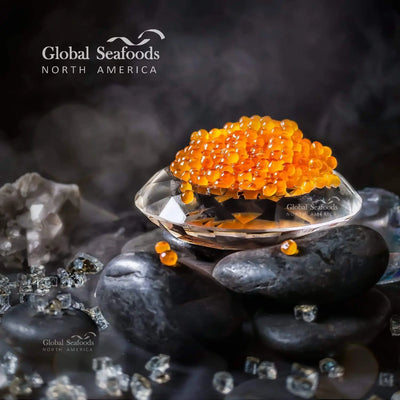
Salmon Caviar (Red Caviar)
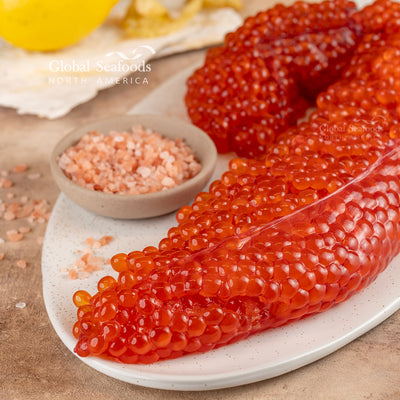
Classic ikura -- bright red-orange, firm eggs, clean briny flavor. The standard for sushi restaurants and home preparation.
Trout Red Caviar
Smaller than salmon roe, with a milder, slightly sweeter flavor. A good alternative for those who find salmon roe too intensely briny.
Golden Pearls Brook Trout Caviar
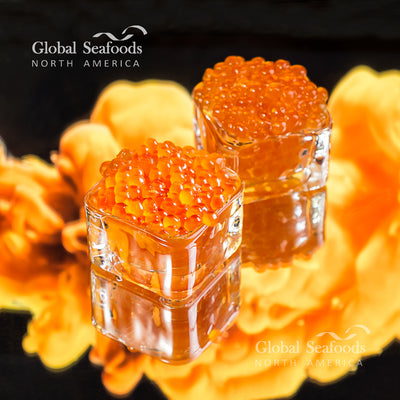
Distinctive golden color; delicate, mild flavor. Visually striking for plating and garnishing. A premium specialty product.
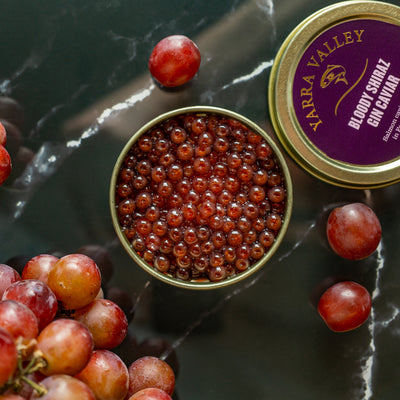
Bloody Shiraz Infused Caviar
Salmon roe infused with Shiraz wine -- a unique preparation with a deep burgundy color and a complex, slightly fruity flavor. A conversation piece for entertaining.
Explore the full Red Caviar Collection.
What to Expect When Ordering Ikura Online
- Shipping: expect overnight or 2-day shipping with insulated packaging and ice packs; check the supplier's shipping policy before ordering, especially in summer months
- Packaging: ikura should arrive cold (below 40°F); if it arrives warm or the packaging is compromised, contact the supplier immediately
- Shelf life after delivery: fresh ikura should be consumed within 3-5 days (unbrined) or up to 7 days (brined, commercially packed) of delivery; freeze immediately if you will not consume it within that window
- Freezing: vacuum-sealed ikura can be frozen for up to 6 months; thaw in the refrigerator 24 hours before use; never refreeze
Nutritional Value of Ikura
Ikura is one of the most nutrient-dense foods available -- rich in EPA and DHA omega-3 fatty acids, complete protein, vitamin B12, vitamin D, and selenium. It is calorie-dense relative to its serving size (approximately 40 calories per tablespoon) due to its fat content, but the fat is primarily healthy unsaturated fat. Regular consumption of omega-3-rich foods like ikura supports cardiovascular health, brain function, and reduction of systemic inflammation.
Shop the Red Caviar Collection | Rainbow Trout Pearls
Also see: How to Properly Store Ikura to Keep It Fresh
Watch seafood preparation videos on the Global Seafoods YouTube Channel
Frequently Asked Questions About Buying Ikura Online
What is the difference between ikura and caviar?
"Caviar" in the strictest sense refers only to roe from sturgeon species (beluga, osetra, sevruga). Ikura is salmon roe -- a distinct product with larger eggs, a brighter orange-red color, and a more pronounced briny flavor than most sturgeon caviar. In common usage, "red caviar" is often used interchangeably with ikura. Both are delicacies, but they differ significantly in flavor, texture, and price.
Is all ikura wild-caught?
No -- some salmon roe comes from farmed salmon. Wild-caught Pacific or Alaskan salmon roe is generally considered superior in flavor, texture, and sustainability. Always verify the source; reputable suppliers specify the salmon species and harvest region.
How long does ikura last after delivery?
Fresh (unbrined) ikura: 3-5 days refrigerated at 32°F–34°F. Brined (commercially packed) ikura: up to 7 days after opening. Freeze immediately if you will not consume it within that window. Vacuum-sealed frozen ikura: best quality within 6 months.
Can you freeze ikura?
Yes -- freeze in airtight freezer-safe containers or vacuum-sealed bags at -4°F (-20°C) or below. Thaw in the refrigerator 24 hours before use. Never refreeze once thawed -- each freeze-thaw cycle ruptures the egg membranes and produces a mushy texture.
What dishes can I make with ikura?
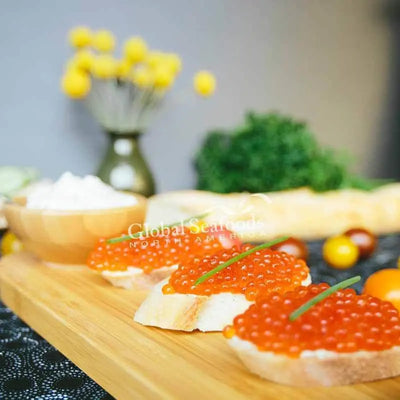
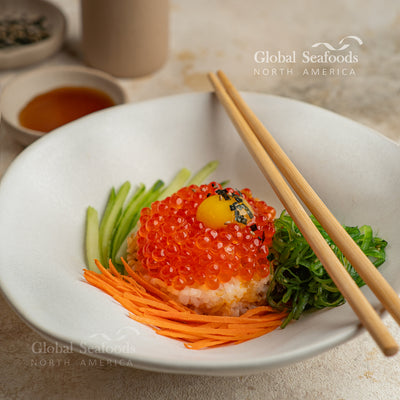
Ikura don (salmon roe rice bowl -- the most classic preparation), sushi (nigiri or hand rolls), blinis with crème fraîche, pasta (tossed with butter and ikura off the heat), deviled eggs (topped with ikura), or as a garnish for any dish where a briny, visually striking element is desired.
Related Products


Also in News

Snail Caviar: How White Escargot Caviar Is Farmed, Harvested and Made

The Dark Years of Pacific Salmon: A 20-Year Outlook for Alaska, Russia, and the Red Caviar Market

King Crab Legs Delivery: Is It Worth It? Exploring the Benefits and Best Options
Shop Now
Main
