
Alaskan Sockeye Salmon – Life Cycle, Ecosystem Role & Culinary Delights

The Wild and Wonderful World of Alaskan Sockeye Salmon
The Fascinating Life of Alaskan Sockeye Salmon
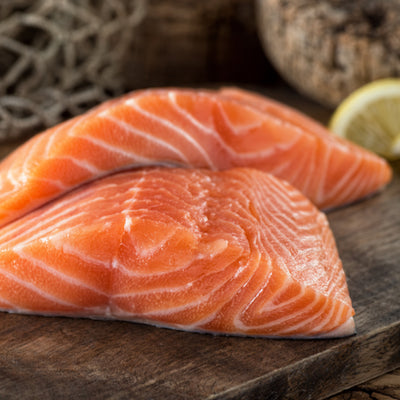
Alaskan sockeye salmon, also known as red salmon, is one of the most sought-after fish in the world. This wild-caught, nutrient-rich fish is prized for its deep red flesh, rich omega-3 content, and firm texture. But what makes sockeye salmon truly remarkable is its incredible life cycle and ecological significance.
✔ Distinctive Features: Bright red flesh, bold flavor, and leaner texture than other salmon species – the deep red color comes from their natural diet of krill and zooplankton, not synthetic coloring.
✔ Nutritional Powerhouse: High in protein (20g+ per 3oz), omega-3 fatty acids (1,200–1,500mg EPA+DHA), and essential vitamins including Vitamin D (~100% DV) and B12 (~130% DV).
✔ Sustainable Choice: Harvested from well-managed Alaskan fisheries with strict regulations – consistently rated “Best Choice” by the Monterey Bay Aquarium Seafood Watch.
From Freshwater to the Open Ocean & Back
1. Birth in Pristine Alaskan Rivers
The life of Alaskan sockeye salmon begins in cold, freshwater streams and lakes. Female salmon lay 2,000–4,500 eggs in carefully constructed gravel nests called redds, which hatch into tiny fish called alevins. These young fish absorb nutrients from their yolk sacs before emerging as fry.
- Habitat: Crystal-clear, oxygen-rich Alaskan rivers and lakes – sockeye are unique among Pacific salmon in that they require a lake in their watershed for juvenile rearing.
- Diet: Plankton, small invertebrates, and aquatic insects – the same krill-rich diet that will later give their flesh its distinctive deep red color.
2. Journey to the Ocean – Growth & Development
After spending one to three years in freshwater, young sockeye salmon, now called smolts, undergo a remarkable physiological transformation called smoltification – their bodies adapt from freshwater to saltwater in preparation for ocean life. They then migrate downstream to the open ocean.
- Ocean Life: Sockeye spend up to 4 years in the North Pacific, feeding on krill, plankton, and small fish – accumulating the omega-3 fatty acids and astaxanthin that make their flesh so nutritious and deeply colored.
- Transformation: Their silver-blue bodies help them camouflage in marine waters – a dramatic contrast to the bright red spawning colors they will develop upon returning to freshwater.
3. The Epic Return – Spawning Migration
Once they reach maturity (4–6 years old), sockeye salmon embark on a grueling migration back to their birthplace. This journey, spanning hundreds to thousands of miles, is one of nature’s greatest spectacles – guided entirely by the salmon’s extraordinary sense of smell, which can detect the unique chemical signature of their natal river.
- Navigation: Salmon use their sense of smell to find their natal rivers with remarkable precision – studies show they can detect their home stream’s chemical signature at concentrations as low as one part per billion.
- Transformation: As they enter freshwater, sockeye undergo a dramatic color change – their bodies turn bright red and their heads turn green, signaling reproductive readiness.
- Obstacles: They leap up waterfalls and strong currents to complete their mission – some runs travel over 900 miles inland, like the Yukon River sockeye.
- Final Act: After spawning, sockeye salmon complete their life cycle – their decomposing bodies provide marine-derived nutrients (nitrogen, phosphorus) to rivers and surrounding forests, feeding everything from aquatic insects to old-growth trees.
Watch the migration in action: Global Seafoods YouTube Channel
Ecological & Economic Importance of Sockeye Salmon
A Keystone Species in the Alaskan Ecosystem
Alaskan sockeye salmon play a vital role in the environment. Their presence impacts everything from bears and eagles to forests and waterways – remove sockeye from the ecosystem and the effects cascade through dozens of species and habitats.
✔ Wildlife Sustenance: Bears, eagles, orcas, and over 130 other wildlife species rely on sockeye as a primary food source – a single brown bear can consume 30+ salmon per day during peak runs.
✔ Nutrient Cycling: Decomposing salmon enrich river ecosystems, supporting plant and aquatic life – studies have found marine-derived nitrogen from salmon carcasses in trees up to 500 meters from riverbanks, carried there by bears and eagles.
Driving Alaska’s Fishing Industry
The commercial fishing industry in Alaska depends heavily on sockeye salmon. The sustainable management of this species ensures that it remains a valuable resource for future generations.
✔ Sustainable Fisheries: Strict quotas and regulations maintain healthy populations – managed by the Alaska Department of Fish & Game using real-time escapement monitoring to ensure enough salmon reach spawning grounds each year.
✔ Economic Impact: Supports thousands of jobs in fishing, processing, and distribution – Alaska’s salmon industry generates over $1 billion annually and is the backbone of many coastal communities.
The Culinary Delight of Alaskan Sockeye Salmon
Why Is Sockeye Salmon So Popular?
Alaskan sockeye salmon is a favorite among chefs and home cooks due to its:
✔ Bold, rich flavor – More intense than farmed salmon – the assertive taste stands up beautifully to strong marinades, glazes, and smoking.
✔ Firm texture – Holds up well in grilling, baking, and smoking – the lean flesh doesn’t fall apart on the grill the way fattier salmon can.
✔ Nutrient-dense – Packed with omega-3s, Vitamin D (~100% DV), B12 (~130% DV), and selenium (~60% DV) per 3oz serving.
Best Ways to Cook Sockeye Salmon
Grilled Sockeye Salmon
- Marinate fillets with olive oil, lemon, garlic, and dill for 30 minutes.
- Grill over medium-high heat (375–400°F) for 4–5 minutes per side – internal temperature 125–130°F (medium) or 145°F (fully cooked).
- Serve with roasted vegetables and a crisp white wine.
Baked Sockeye Salmon with Honey Glaze
- Coat fillets with honey, soy sauce, and ginger.
- Bake at 375°F for 12–15 minutes until the glaze is caramelized and the fish flakes easily.
- Pair with quinoa and steamed asparagus.
Smoked Sockeye Salmon
- Brine fillets in salt, brown sugar, and herbs for 6–8 hours in the refrigerator.
- Air-dry for 2 hours to form a pellicle, then smoke over alder wood chips at 180°F for 2–3 hours.
- Enjoy with bagels, cream cheese, and capers – or on a charcuterie board with pickled onions and crème fraîche.
Sustainability & Responsible Fishing
Alaskan sockeye salmon is one of the most sustainable seafood choices thanks to strict fishery management and eco-friendly harvesting methods.
✔ No Overfishing: Managed by the Alaska Department of Fish & Game using real-time escapement monitoring – fishing is halted when run counts fall below target escapement goals.
✔ Wild-Caught & Natural: Free from antibiotics, hormones, and artificial coloring – the deep red color is entirely from the salmon’s natural diet of krill and astaxanthin-rich plankton.
✔ Eco-Friendly Fishing Practices: Minimal environmental impact compared to farmed fish – no net pens, no feed inputs, no chemical treatments, and no habitat modification.
Frequently Asked Questions About Alaskan Sockeye Salmon
What makes sockeye salmon different from other salmon?
Sockeye salmon has a stronger flavor, firmer texture, and higher omega-3 content compared to farmed or Atlantic salmon. Its deep red flesh color comes entirely from its natural diet of krill and astaxanthin-rich plankton – not synthetic coloring. Sockeye is also unique among Pacific salmon in requiring a lake in its watershed for juvenile rearing, which limits its range to specific river systems and contributes to its relative scarcity compared to pink or chum salmon.
Is Alaskan sockeye salmon sustainable?
Yes – Alaskan sockeye is one of the most sustainable seafood choices available. It is wild-caught under strict regulations managed by the Alaska Department of Fish & Game, which uses real-time escapement monitoring to ensure healthy populations. Alaskan salmon fisheries are consistently rated “Best Choice” by the Monterey Bay Aquarium Seafood Watch. The wild-capture method has minimal environmental impact compared to aquaculture.
How do I store fresh sockeye salmon?
✔ Refrigerate at 32°F and consume within 1–2 days – keep on ice in a covered container.
✔ Freeze for up to 6 months in a vacuum-sealed bag (quality is best within 3 months). Thaw overnight in the refrigerator.
✔ Cooked salmon: Refrigerate in an airtight container for up to 3 days.
Can I eat sockeye salmon raw?
Yes – sockeye salmon is safe for sushi or sashimi when properly handled. The FDA recommends freezing fish intended for raw consumption at -4°F (-20°C) for at least 7 days (or -31°F for 15 hours in commercial blast freezers) to kill any parasites. Most commercially sold frozen sockeye has already been frozen to these standards. Always source from reputable suppliers and confirm the fish has been properly frozen before consuming raw.
What’s the best wine pairing for sockeye salmon?
The best pairing depends on the preparation: Sauvignon Blanc (crisp, citrusy – excellent with grilled or lemon-herb preparations), Chardonnay (buttery notes complement baked honey glaze), Pinot Gris/Pinot Grigio (light and versatile – works with almost any preparation), or a light Pinot Noir (the classic red wine pairing for salmon – its low tannins and earthy notes complement the fish without overpowering it). For smoked sockeye, try a slightly off-dry Riesling to balance the smokiness.
Why do sockeye salmon turn red when they spawn?
The dramatic color change – from silver-blue in the ocean to bright red body with green head – is triggered by hormonal changes as the salmon enter freshwater and approach spawning. The red pigment (astaxanthin) is stored in the flesh during ocean feeding and is redistributed to the skin during spawning. The color change serves as a visual signal of reproductive fitness – brighter males are more attractive to females. The green head coloration is caused by the breakdown of other pigments. After spawning, the salmon’s body deteriorates rapidly as it redirects all remaining energy to reproduction.
Final Thoughts: Celebrate the Wild Wonder of Alaskan Sockeye Salmon
From its awe-inspiring migration to its vital ecological role and mouthwatering flavor, Alaskan sockeye salmon is truly one of nature’s greatest treasures. Whether grilled, baked, or smoked, it’s a sustainable, nutrient-rich, and delicious choice for any meal.
Ready to enjoy the best wild-caught sockeye salmon?
🎥 Watch more wild salmon content on the Global Seafoods YouTube Channel!




Related Products


Also in News

Snail Caviar: How White Escargot Caviar Is Farmed, Harvested and Made

The Dark Years of Pacific Salmon: A 20-Year Outlook for Alaska, Russia, and the Red Caviar Market

King Crab Legs Delivery: Is It Worth It? Exploring the Benefits and Best Options
Shop Now
Main
