
Fish Roe: Types, Health Benefits & Recipes – A Complete Guide

Fish Roe: Types, Health Benefits & Recipes
Fish roe, also known as fish eggs or caviar, is a delicacy cherished by culinary enthusiasts worldwide. In this guide, we’ll take you on a journey through the fascinating world of fish roe—from different types and their unique flavors to the health benefits they offer and delectable recipes that will leave you craving more!
Types of Fish Roe
Beluga Roe
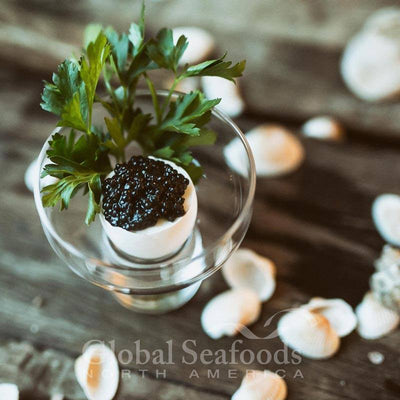
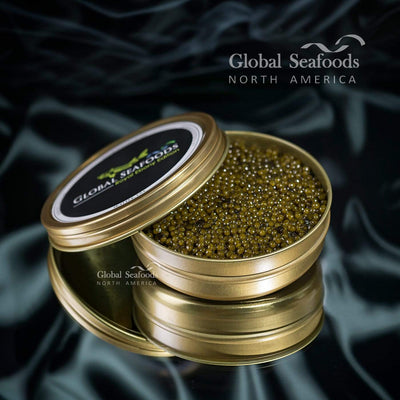
Description: Known for its large, glossy eggs, Beluga caviar is considered the epitome of luxury. It comes from the Beluga sturgeon, primarily found in the Caspian Sea.
Source: Wild-caught (heavily regulated)
Flavor: Rich, buttery, and creamy
Price Range: $200–$300 per ounce
Common Uses: Typically enjoyed on its own or with simple accompaniments to highlight its delicate flavor.
Salmon Roe
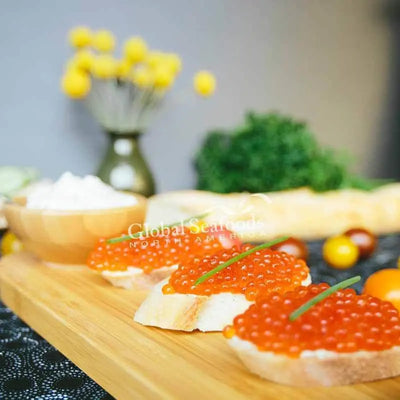
Description: With its vibrant orange hue and rich, briny taste, salmon roe is a popular choice among seafood lovers. Also known as Ikura, it is often used in sushi and other seafood dishes.
Source: Both wild-caught and farmed
Flavor: Rich, briny, and slightly sweet
Price Range: $15–$50 per ounce
Common Uses: Sushi, sashimi, and as a topping for various dishes.
Trout Roe
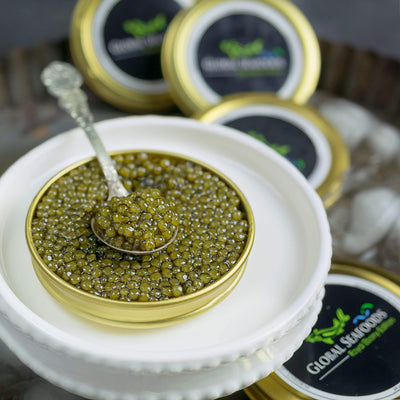
Description: Delicate and subtly flavored, trout roe is prized for its small, golden eggs that burst with flavor. It is harvested from freshwater rainbow trout.
Source: Primarily farmed
Flavor: Mild, delicate, and slightly sweet
Price Range: $20–$40 per ounce
Common Uses: Canapés, blinis, and as a garnish for seafood dishes.
Tobiko Roe
Description: Often used in sushi, tobiko roe comes from flying fish and is available in various colors, including red, black, and green. It adds a delightful crunch and visual appeal to dishes.
Source: Primarily farmed
Flavor: Mild, slightly salty, with a crunchy texture
Price Range: $10–$20 per ounce
Common Uses: Sushi rolls, as a garnish for salads and seafood dishes.
Flying Fish Roe
Description: With its unique shape and mild taste, flying fish roe is a versatile ingredient in many Asian cuisines. It is often used as a topping for sushi and sashimi.
Source: Primarily wild-caught
Flavor: Mild, slightly salty, and crunchy
Price Range: $15–$30 per ounce
Common Uses: Sushi, sashimi, and as a topping for various dishes.
Health Benefits of Fish Roe
Rich in Omega-3 Fatty Acids (EPA & DHA)
Fish roe is an excellent source of omega-3 fatty acids, which support brain health and reduce inflammation. These essential fats are known for their heart health benefits as well.
High in Protein
Packed with protein, fish roe provides essential amino acids for muscle repair and growth. It is an excellent protein source for those looking to maintain or build muscle mass.
Source of Vitamins and Minerals
Fish roe contains vitamins D, B12, and E, as well as minerals like selenium and iodine. These nutrients are essential for maintaining overall health and well-being.
Promotes Heart Health
The omega-3 fatty acids in fish roe can help lower blood pressure and reduce the risk of heart disease. They also help in maintaining a healthy heart rhythm and reducing triglycerides.
Delectable Fish Roe Recipes
Classic Caviar Blini
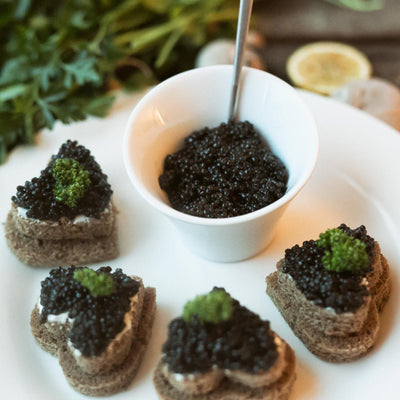
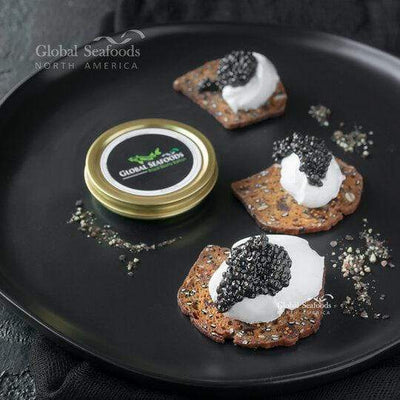
Pair exquisite salmon or Beluga caviar with delicate blinis for an elegant appetizer. Top with a dollop of crème fraîche and a sprig of dill.
Salmon Roe Sushi Rolls
Create colorful and flavorful sushi rolls by adding salmon roe as a topping for a burst of briny goodness. Combine with avocado, cucumber, and crab meat for a delightful sushi experience.
Trout Roe Pasta
Elevate your pasta dish with a sprinkle of trout roe, adding a touch of elegance and subtle flavor. A simple lemon and butter sauce complements the roe perfectly.
Tobiko Avocado Toast
Spread creamy avocado on toast and top it with tobiko roe for a delightful and nutritious breakfast option. Add a squeeze of lemon juice and a pinch of salt to enhance the flavors.
Flying Fish Roe Salad
Toss together a refreshing salad with mixed greens, cucumber, and flying fish roe for a delightful burst of flavor. A light sesame dressing pairs well with the mild taste of the roe.
FAQs
Is fish roe safe to consume during pregnancy?
Fish roe is generally considered safe during pregnancy when fully cooked or pasteurized. Raw or unpasteurized roe carries a small risk of listeria or other pathogens. It’s recommended to consult with your healthcare provider for specific dietary advice before consuming raw roe during pregnancy.
How long can fish roe be stored?
Unopened, properly refrigerated fish roe can last 2–3 weeks. Once opened, consume within 5–10 days. Store at 28–32°F (-2 to 0°C) in the coldest part of your fridge. Most varieties can also be frozen for up to 3 months—thaw overnight in the refrigerator before serving.
Are there vegetarian alternatives to fish roe?
Yes! Popular vegetarian alternatives include seaweed caviar (made from sodium alginate and natural flavors), tapioca pearls infused with brine, and plant-based imitation roe made from kelp or other sea vegetables. These mimic the popping texture of real roe and work well in sushi and canapés.
What is the difference between caviar and fish roe?
Technically, true caviar refers only to roe from sturgeon species (such as Beluga, Osetra, and Sevruga). Fish roe is the broader term covering eggs from any fish species—salmon, trout, flying fish, etc. In everyday usage, “caviar” is often used loosely to describe any premium roe, including salmon ikura and tobiko.
Which type of fish roe is best for beginners?
Salmon roe (ikura) is the best starting point for most people—its bold, briny flavor and satisfying pop are approachable and widely available. Trout roe is an even milder option for those new to roe. Tobiko is great for sushi beginners due to its crunchy texture and mild taste. Save Beluga caviar for when you’re ready to explore the pinnacle of the category.
Conclusion – Experience the Exquisite Taste of Fish Roe
Fish roe is more than just a delicacy—it’s a culinary gem that enhances dishes with its burst of flavor, luxurious texture, and nutritional benefits. Whether you savor the refined elegance of Beluga caviar, the bold pop of salmon roe (ikura), or the vibrant crunch of tobiko, each variety offers a unique and unforgettable gastronomic experience.
Beyond its rich umami taste, fish roe is a powerhouse of essential nutrients, including omega-3 fatty acids (EPA & DHA), high-quality protein, and essential vitamins, making it a delicious and nutritious addition to any meal.
🔗 Shop Global Seafoods’ Red Caviar Collection
Discover High-Quality Fish Roe Selections:
🔗 Chum Salmon Caviar Soft Shell
🔗 Coho Salmon Caviar
🔗 King Salmon Caviar
🔗 Trout Caviar
🔗 Trout Red Caviar
🎥 Watch seafood tutorials & fish roe recipes on YouTube:
Global Seafoods YouTube Channel

Related Products


Also in News

Snail Caviar: How White Escargot Caviar Is Farmed, Harvested and Made

The Dark Years of Pacific Salmon: A 20-Year Outlook for Alaska, Russia, and the Red Caviar Market

King Crab Legs Delivery: Is It Worth It? Exploring the Benefits and Best Options
Shop Now
Main
