
Black Caviar vs. Red Caviar – Which One is Best for You?

Black Caviar vs. Red Caviar: Sturgeon Roe or Salmon Roe?
Caviar is one of the most luxurious and sought-after delicacies in the world. Among the different types, black caviar (sturgeon roe) and red caviar (salmon roe) are the most popular. While both are celebrated for their rich flavors and health benefits, they differ in taste, texture, nutritional value, and cost.
In this article, we'll compare black caviar vs. red caviar, highlighting their key differences, health benefits, and the best ways to enjoy them.
What Is Black Caviar?
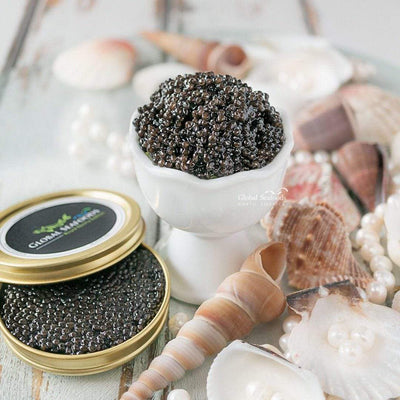
Black caviar comes from sturgeon fish, a species that has existed for over 250 million years. The eggs (roe) of sturgeon are processed using traditional methods to create black caviar, which is highly prized for its refined taste and luxurious texture.
Types of Black Caviar
Black caviar comes from different types of sturgeon, each offering unique flavors and textures:
- Beluga Caviar – The most expensive and rarest, with large, delicate eggs and a smooth, buttery taste
- Osetra Caviar – A medium-sized egg with a firm texture and a nutty, briny flavor
- Kaluga Caviar – Often compared to Beluga, with a rich and creamy taste
- Paddlefish Caviar – A more affordable alternative with a bold, earthy flavor
What Is Red Caviar?
Red caviar refers to salmon roe, which is harvested from wild salmon and has a vibrant orange to red color. It is popular in Russian, Japanese, and European cuisines and is often used in sushi, canapés, and gourmet dishes.
Types of Red Caviar
Different species of salmon produce distinct types of red caviar:
- Chum Salmon Caviar – Large, bright orange eggs with a mild, sweet taste
- Coho Salmon Caviar – Smaller, softer eggs with a rich, buttery flavor
- Pink Salmon Caviar – A more affordable option with a delicate taste
Taste and Texture: Black Caviar vs. Red Caviar
| Feature | Black Caviar (Sturgeon Roe) | Red Caviar (Salmon Roe) |
|---|---|---|
| Taste | Buttery, nutty, slightly salty | Mild, sweet, slightly briny |
| Texture | Firm, slightly crunchy | Soft, bursts in mouth |
| Egg Size | Varies (small to large, smooth texture) | Medium to large, slightly translucent |
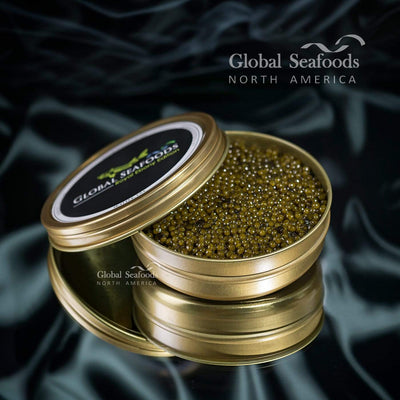
| Color | Black, dark gray, or brown | Bright orange to deep red |
Black caviar is rich and creamy, offering an earthy and complex flavor profile. In contrast, red caviar has a lighter, more refreshing taste, with a burst-in-your-mouth sensation when eaten.
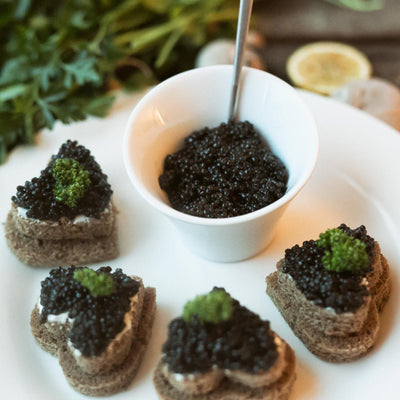
Both types pair well with traditional accompaniments such as blinis, toast points, crème fraîche, and fresh herbs.
Nutritional Benefits: Which Is Healthier?
Both black caviar and red caviar are highly nutritious, but they differ in nutrient content:
| Nutrient | Black Caviar | Red Caviar |
|---|---|---|
| Protein | High (25–30g per 100g) | Moderate (20–25g per 100g) |
| Omega-3 Fatty Acids | High – Essential for heart and brain health | Moderate |
| Vitamin B12 | Very High – Boosts energy and brain function | High |
| Vitamin D | Moderate | High – Supports bone health and immune function |
| Astaxanthin (Antioxidant) | Low | High – Protects against inflammation |
| Sodium Content | Higher due to curing | Moderate |
- Black caviar is richer in omega-3s and Vitamin B12, making it a better choice for brain function and cardiovascular health
- Red caviar is an excellent source of Vitamin D and astaxanthin, which supports the immune system and reduces inflammation
Cost: Why Is Black Caviar More Expensive?
The price of caviar depends on factors such as rarity, production methods, and demand.
- Black caviar is significantly more expensive than red caviar because sturgeon take decades to mature and produce eggs. Some varieties, like Beluga caviar, are among the most expensive foods in the world.
- Red caviar is more affordable because salmon are more abundant and mature faster, making their roe easier to harvest.
Average prices per ounce:
- Black Caviar: $50 – $300+ (depending on type)
- Red Caviar: $10 – $50
Find affordable caviar options:
How to Serve and Enjoy Caviar
Best Ways to Eat Black Caviar
- Classic Caviar Service – Serve on a chilled plate with toast points or blinis and crème fraîche
- With Champagne or Vodka – Enhances the caviar's natural flavors
- Gourmet Pairings – Try with oysters, foie gras, or fine cheeses
Best Ways to Eat Red Caviar
- On Sushi and Nigiri – A staple in Japanese cuisine
- With Scrambled Eggs – Adds a salty, umami boost to breakfast
- On Buttered Toast or Crackers – Simple yet delicious
Watch more about caviar on our YouTube channel
Which Caviar Should You Choose?
| If You Prefer… | Choose… |
|---|---|
| Luxury and prestige | Black Caviar |
| Mild, delicate flavor | Red Caviar |
| Budget-friendly option | Red Caviar |
| High omega-3 and B12 content | Black Caviar |
| Pop-in-your-mouth texture | Red Caviar |
| High Vitamin D and astaxanthin | Red Caviar |
Final Thoughts
Both black caviar and red caviar offer unique flavors and health benefits. If you seek luxury and deep, complex flavors, go for black caviar. If you prefer a lighter, more affordable option, try red caviar.
Whichever you choose, make sure to buy high-quality, sustainably sourced caviar from a trusted supplier.
Shop the finest caviar online:
Frequently Asked Questions (FAQs)
Q: Which is healthier — black caviar or red caviar?
A: Both are highly nutritious, but they excel in different areas. Black caviar is higher in omega-3 fatty acids, protein, and Vitamin B12 — making it better for cardiovascular and brain health. Red caviar is higher in Vitamin D and astaxanthin — making it better for immune function, bone health, and anti-inflammatory benefits. For most people, red caviar offers a better nutritional value per dollar spent.
Q: Can you eat both black and red caviar together?
A: Yes — and it's a popular presentation in fine dining. Serving both side by side on blinis or a charcuterie board creates a striking visual contrast and allows guests to compare the flavor profiles directly. The combination is sometimes called a "caviar duo" or "caviar flight."
Q: Is red caviar real caviar?
A: Technically, the term "caviar" in its strictest definition refers only to sturgeon roe (black caviar). However, in common culinary usage — and in most markets outside of France — "red caviar" or "salmon caviar" is widely accepted as a legitimate caviar category. The distinction matters mainly in fine dining contexts and regulatory labeling.
Q: How should I store caviar after opening?
A: Both black and red caviar should be stored at 28–32°F (-2 to 0°C) in the coldest part of the refrigerator. Once opened, consume within 48 hours for black caviar and 3–5 days for red caviar. Never freeze opened caviar — it damages the egg structure.
Q: What is the best caviar for a first-time buyer?
A: For first-timers, red caviar is the ideal starting point — it's more affordable ($10–$50/oz), has a milder, more approachable flavor, and is widely available. Chum Salmon Caviar is a great entry-level choice. If you're ready to invest in black caviar, Paddlefish Caviar offers a premium experience at a more accessible price point than Beluga or Osetra.






Related Products


Also in News

Snail Caviar: How White Escargot Caviar Is Farmed, Harvested and Made

The Dark Years of Pacific Salmon: A 20-Year Outlook for Alaska, Russia, and the Red Caviar Market

King Crab Legs Delivery: Is It Worth It? Exploring the Benefits and Best Options
Shop Now
Main
