
Alaskan Sockeye Salmon – Sustainability, Flavor, and Cooking Tips

Alaskan Sockeye Salmon: A Culinary and Sustainable Delight
Why Alaskan Sockeye Salmon is a Top Seafood Choice
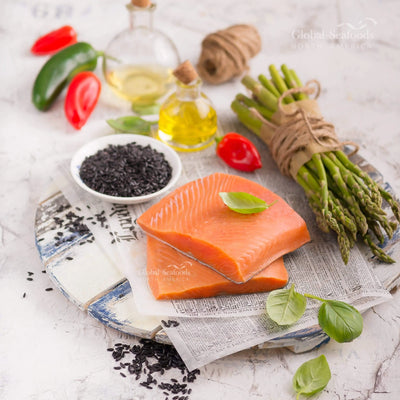
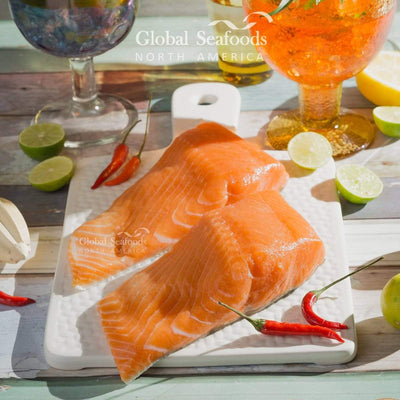
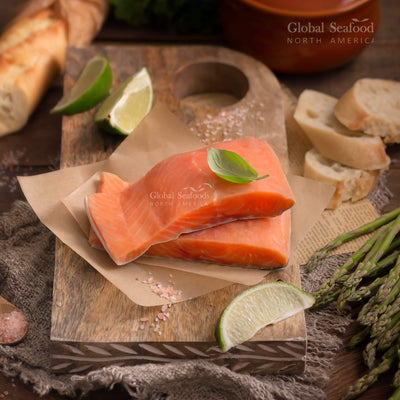
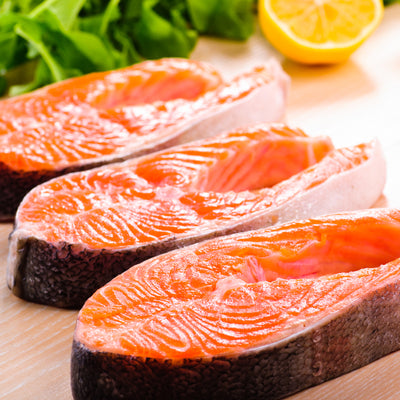
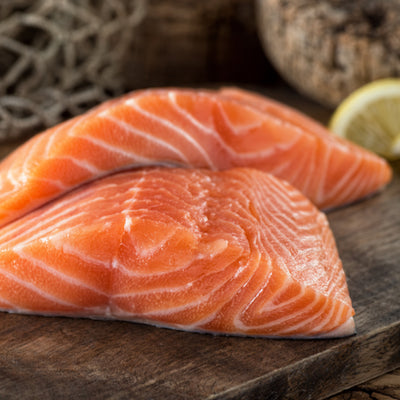
Alaskan Sockeye Salmon is one of the most sought-after fish in the world. Known for its vibrant red flesh, bold flavor, and high omega-3 content, it is a favorite among chefs and seafood enthusiasts. What makes it even more special is its sustainability and responsible fishing practices, ensuring future generations can enjoy this wild-caught delicacy.
✔ Distinctive Features: Deep red flesh, firm texture, and rich flavor – the red color comes entirely from the salmon’s natural diet of krill and astaxanthin-rich plankton, not synthetic coloring.
✔ Nutrient-Rich: Packed with omega-3s (1,200–1,500mg EPA+DHA per 3oz), 20g+ protein, Vitamin D (~100% DV), and B12 (~130% DV).
✔ Eco-Friendly Choice: Sustainably managed fisheries protect the species and marine ecosystems – consistently rated “Best Choice” by the Monterey Bay Aquarium Seafood Watch.
The Journey of Alaskan Sockeye Salmon: From Ocean to Plate
Sustainable Harvesting Methods
Alaskan Sockeye Salmon is primarily wild-caught in the pristine waters of Alaska. The state enforces strict fishing regulations to maintain healthy populations and prevent overfishing. The Alaska Department of Fish & Game uses real-time escapement monitoring – counting fish as they pass upstream – to ensure enough salmon reach spawning grounds before commercial fishing begins. The primary fishing methods include:
- Gillnetting: Small-mesh nets selectively catch sockeye without harming other species – the most common method for Bristol Bay sockeye, the world’s largest sockeye run. Fish are retrieved quickly to maintain quality.
- Trolling: Individual salmon are hooked on lines, ensuring premium quality – the most selective method, producing the highest-quality fish as each salmon is handled individually and bled immediately upon capture.
- Seining: A large net is used to encircle schools of sockeye, minimizing bycatch – used primarily in areas with dense, predictable runs. Modern power seines can be deployed and retrieved quickly to minimize stress on the fish.
✔ Peak Season: May to September, with peak harvest in June & July – Bristol Bay alone produces 20–30 million sockeye annually during peak runs.
✔ Quality Control: Fish are bled and chilled immediately after capture to preserve freshness – the best processors use RSW (refrigerated seawater) systems to chill fish to 32°F within minutes of harvest.
The Health Benefits of Alaskan Sockeye Salmon
Beyond its exceptional flavor, sockeye salmon is one of the healthiest proteins you can add to your diet:
✔ Rich in Omega-3 Fatty Acids – Approximately 1,200–1,500mg of EPA+DHA per 3oz serving – supports heart health, brain function, and reduces inflammation. The American Heart Association recommends eating fatty fish like salmon at least twice per week.
✔ High in Protein – 20g+ of complete protein per 3oz serving – helps build muscle and maintain energy levels while providing all essential amino acids.
✔ Loaded with Vitamins & Minerals – A great source of Vitamin D (~100% DV), B12 (~130% DV), and selenium (~60% DV) per 3oz serving – plus potassium (more than a banana per serving).
Best Cooking Techniques for Alaskan Sockeye Salmon
Grilled Sockeye Salmon with Lemon & Dill
How to Grill Sockeye Salmon:
- Marinate fillets with olive oil, lemon juice, garlic, and dill for 30 minutes.
- Preheat grill to 375–400°F and lightly oil the grates to prevent sticking.
- Place salmon skin-side down and cook for 4–5 minutes per side – internal temperature 125–130°F (medium) or 145°F (fully cooked). Do not move the fish until it releases naturally from the grates.
- Serve with roasted vegetables and a crisp Sauvignon Blanc.
Baked Sockeye Salmon with Honey Glaze
How to Bake Sockeye Salmon:
- Preheat oven to 375°F (190°C).
- Mix honey, soy sauce, minced garlic, and black pepper – add a splash of rice vinegar for brightness.
- Brush glaze generously over fillets and bake for 12–15 minutes until the glaze is caramelized and the fish flakes easily. Internal temperature: 125–130°F (medium) or 145°F (fully cooked).
- Pair with quinoa and steamed asparagus for a healthy meal. For extra caramelization, broil for the last 1–2 minutes.
Smoked Sockeye Salmon – A Gourmet Experience
How to Smoke Sockeye Salmon:
- Brine fillets in salt, brown sugar, and water (1 cup salt, 1 cup brown sugar, 1 gallon water) for 6–8 hours in the refrigerator.
- Rinse thoroughly, pat dry, and let air-dry on a rack for 2 hours to form a pellicle (the tacky surface layer that helps smoke adhere to the fish).
- Smoke over alder wood chips at 180°F for 2–3 hours until the internal temperature reaches 145°F – alder is the traditional Pacific Northwest wood for salmon smoking.
- Serve on bagels with cream cheese, capers, and red onions – or on a charcuterie board with pickled onions and crème fraîche.
Frequently Asked Questions About Alaskan Sockeye Salmon
What makes sockeye salmon different from other salmon species?
Sockeye salmon has a bolder flavor, firmer texture, and deeper red color than other species like king or coho salmon. The deep red color comes entirely from its natural diet of krill and astaxanthin-rich plankton – not synthetic coloring. Sockeye is also leaner than King salmon (which has the highest fat content of any Pacific salmon) but richer in flavor than pink or chum salmon. Its firm flesh holds up exceptionally well to grilling, smoking, and high-heat cooking.
Is Alaskan sockeye salmon sustainable?
Yes – Alaska’s fisheries are strictly regulated, making sockeye salmon one of the most sustainable seafood choices available. The Alaska Department of Fish & Game uses real-time escapement monitoring to ensure healthy populations – commercial fishing is halted when run counts fall below target escapement goals. Alaskan salmon fisheries are consistently rated “Best Choice” by the Monterey Bay Aquarium Seafood Watch.
How do I store fresh sockeye salmon?
✔ Refrigerate at 32°F and consume within 1–2 days – keep on ice in a covered container in the coldest part of the fridge.
✔ Freeze for up to 6 months in a vacuum-sealed bag (quality is best within 3 months). Thaw overnight in the refrigerator.
✔ Cooked salmon: Refrigerate in an airtight container for up to 3 days.
Can I eat sockeye salmon raw?
Yes – sockeye salmon is safe for sushi or sashimi when properly handled. The FDA recommends freezing fish intended for raw consumption at -4°F (-20°C) for at least 7 days to kill any parasites. Most commercially sold frozen sockeye has already been frozen to these standards. Always source from reputable suppliers and confirm the fish has been properly frozen before consuming raw.
What is the difference between Bristol Bay sockeye and Copper River sockeye?
Bristol Bay is the world’s largest sockeye salmon run – producing 20–30 million fish annually from the Kvichak, Naknek, and other river systems. Bristol Bay sockeye is the benchmark for wild sockeye quality: consistent, abundant, and sustainably managed. Copper River sockeye (and King salmon) are harvested from the Copper River in southcentral Alaska – the fish are prized for their exceptionally high fat content, accumulated during their long upstream migration. Copper River fish are typically the first wild salmon of the season (arriving in May) and command premium prices due to their rich flavor and the marketing cachet of the Copper River brand.
What is the best wine pairing for sockeye salmon?
The best pairing depends on the preparation: Sauvignon Blanc (crisp and citrusy – excellent with grilled lemon-dill preparations), Chardonnay (buttery notes complement the honey glaze), Pinot Gris (light and versatile – works with almost any preparation), or a light Pinot Noir (the classic red wine pairing for salmon – low tannins and earthy notes complement without overpowering). For smoked sockeye, try a slightly off-dry Riesling to balance the smokiness.
Final Thoughts: Enjoy the Best of Alaskan Sockeye Salmon
Alaskan Sockeye Salmon is more than just a delicious fish – it’s a nutrient-packed, sustainable, and versatile seafood choice. Whether grilled, baked, or smoked, its bold taste and firm texture make it a favorite for home cooks and chefs alike.
Ready to cook with the best wild-caught salmon?
🎥 Watch expert salmon cooking tips on the Global Seafoods YouTube Channel!




Related Products


Also in News

Snail Caviar: How White Escargot Caviar Is Farmed, Harvested and Made

The Dark Years of Pacific Salmon: A 20-Year Outlook for Alaska, Russia, and the Red Caviar Market

King Crab Legs Delivery: Is It Worth It? Exploring the Benefits and Best Options
Shop Now
Main
