
Lingcod: What It Is, Flavor, Nutrition, and How to Cook It

Lingcod: What It Is, Flavor, Nutrition, and How to Cook It
Lingcod (Ophiodon elongatus) is one of the most distinctive and underrated fish on the Pacific coast — a large, aggressive predator with firm, mild, versatile flesh and one of the most unusual characteristics in the seafood world: its raw flesh is often a striking blue-green color. Despite its name, lingcod is not a true cod (family Gadidae) and is not related to Pacific cod (Gadus macrocephalus). It is a member of the greenling family (Hexagrammidae), native to the cold waters of the Pacific Ocean from the Aleutian Islands in Alaska to Baja California, Mexico.
🔗 Lingcod Fillets | 🔗 Pacific Cod Fillets | 🔗 Alaskan Pollock Fillets
What Is Lingcod?
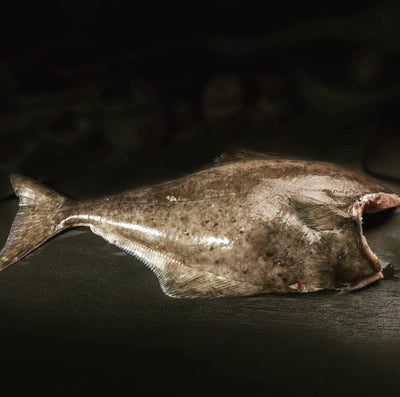
Lingcod is a large, bottom-dwelling predator that can grow up to 5 feet (1.5 meters) long and weigh over 100 lbs, though most commercially caught fish are 5–15 lbs. It is one of the top predators on Pacific rocky reefs, feeding aggressively on fish, squid, and octopus. Lingcod are highly prized by sport fishermen for their size, fighting ability, and excellent table quality.
The Blue-Green Flesh
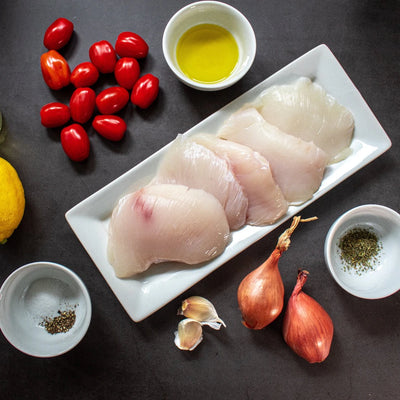
One of lingcod's most distinctive characteristics is that approximately 20% of lingcod have raw flesh that is a striking blue-green color — ranging from pale turquoise to deep teal. This unusual color is caused by a bile pigment called biliverdin, which binds to the proteins in the flesh. The color is completely harmless and has no effect on flavor or safety. The blue-green color disappears entirely when the fish is cooked — the flesh turns white, just like any other white fish. The blue-green color is actually considered a sign of freshness by experienced fishermen and chefs.
Flavor and Texture
Lingcod has a mild, clean, slightly sweet flavor with a firm, dense, meaty texture. It is firmer than Pacific cod or pollock and holds up well to high-heat cooking methods (grilling, pan-searing, frying) without falling apart. The large, satisfying flakes make it excellent for fish tacos, fish and chips, and any preparation where a substantial piece of fish is desired. The mild flavor absorbs marinades and seasonings well, making it highly versatile.
Nutrition
Per 3-oz (85g) serving of cooked lingcod:
- Calories: ~93
- Protein: ~19g
- Fat: ~1.2g (very lean)
- Omega-3 (EPA+DHA): ~400–600mg
- Vitamin B12: ~60% of daily value
- Selenium: ~50% of daily value
- Phosphorus: ~20% of daily value
- Mercury: Low — FDA "Best Choice" category
Lingcod is an excellent lean protein source with a good omega-3 profile for a low-fat fish. Its low mercury level makes it safe for pregnant women and young children at 2–3 servings per week.
How to Cook Lingcod
1. Baking — Easiest Method
Baking is the most hands-off method and allows lingcod's natural flavor to shine.
- Preheat oven to 400°F (200°C)
- Season fillets generously with salt, pepper, and fresh herbs (rosemary, thyme, dill) or a lemon-herb butter
- Place in a baking dish; drizzle with olive oil or add a pat of butter
- Add a splash of white wine or lemon juice
- Bake 15–18 minutes per inch of thickness, or until the flesh is opaque and flakes easily with a fork (internal temperature 145°F)
Pairs well with roasted vegetables, a light salad, or rice.
2. Grilling — Best for Firm Fillets
Lingcod's firm texture makes it one of the better white fish for grilling — it holds together well and develops a beautiful char.
- Preheat grill to medium-high heat
- Brush fillets with olive oil to prevent sticking
- Season with garlic powder, paprika, or a squeeze of fresh lemon juice
- Use a grill basket to keep fillets intact and make flipping easier
- Grill 3–4 minutes per side until opaque and flakes easily (internal temperature 145°F)
Serve with grilled asparagus, lemon wedges, or garlic butter sauce.
3. Pan-Searing — Best for Crispy Skin
Pan-searing produces a golden, crispy exterior with a moist interior — one of the best preparations for lingcod.
- Pat fillets completely dry with paper towels (critical for a good sear)
- Season with salt and pepper
- Heat a skillet over medium-high heat; add a thin layer of oil with a high smoke point (avocado, grapeseed)
- Place fillets skin-side down; press gently for the first 30 seconds to prevent curling
- Cook 4–5 minutes skin-side down until the skin is golden and crispy; flip and cook 2–3 more minutes
- Finish with a knob of butter, garlic, and fresh thyme; baste for 1 minute
4. Frying — Fish and Chips
Lingcod's firm texture and mild flavor make it excellent for fish and chips or fish tacos.
- Prepare a light beer batter: flour, egg, cold beer, salt, and a pinch of cayenne
- Heat oil to 350°F (175°C) in a deep pan
- Coat fillets in batter; fry 3–4 minutes per side until golden brown and crispy
- Drain on paper towels
Serve with tartar sauce, lemon wedges, and coleslaw.
5. Poaching — Lightest Method
Poaching keeps the fish exceptionally moist and is ideal for a light, elegant preparation.
- Prepare a poaching liquid: water, white wine, or broth with garlic, onion, bay leaves, and fresh herbs
- Bring to a gentle simmer (not a boil)
- Gently lower fillets into the liquid; poach 7–10 minutes until cooked through and flakes easily
Serve with a fresh salad, steamed vegetables, or a delicate lemon butter sauce.
Shop Lingcod and Pacific Whitefish
🎥 Watch lingcod cooking tutorials on the Global Seafoods YouTube Channel
FAQs: Lingcod
Is lingcod the same as Pacific cod?
No — lingcod (Ophiodon elongatus) and Pacific cod (Gadus macrocephalus) are completely different species. Despite its name, lingcod is not a true cod (family Gadidae) — it is a member of the greenling family (Hexagrammidae). The name "lingcod" comes from its resemblance to the European ling (Molva molva) and cod, but it is not closely related to either. Pacific cod is a true cod and is more closely related to Atlantic cod and haddock. Both are excellent mild white fish, but they are distinct species with different textures (lingcod is firmer) and habitats.
Why is lingcod flesh blue-green?
Approximately 20% of lingcod have raw flesh that is a striking blue-green color, ranging from pale turquoise to deep teal. This is caused by a bile pigment called biliverdin that binds to the proteins in the flesh. The color is completely harmless, has no effect on flavor or safety, and disappears entirely when the fish is cooked — the flesh turns white, just like any other white fish. The blue-green color is considered a sign of freshness by experienced fishermen and chefs.
Is lingcod sustainable?
Yes — the Pacific lingcod fishery is well-managed by NOAA under the Pacific Fishery Management Council. Lingcod is rated "Best Choice" by the Monterey Bay Aquarium's Seafood Watch for most fishing methods and regions. The stock is not overfished. Lingcod is one of the more sustainable Pacific whitefish options available.
How does lingcod compare to Pacific cod or halibut?
Lingcod is firmer and meatier than Pacific cod, with a similar mild flavor. It holds up better to high-heat cooking (grilling, pan-searing) than cod, which is more delicate. Compared to halibut: lingcod is slightly less firm and less expensive than halibut, with a similar mild flavor profile. For fish and chips or fish tacos: lingcod and Pacific cod are both excellent choices. For pan-searing or grilling a substantial fillet: lingcod or halibut are better choices than cod.



Related Products

Also in News

Snail Caviar: How White Escargot Caviar Is Farmed, Harvested and Made

The Dark Years of Pacific Salmon: A 20-Year Outlook for Alaska, Russia, and the Red Caviar Market

King Crab Legs Delivery: Is It Worth It? Exploring the Benefits and Best Options
Shop Now
Main
