
Health Benefits of Halibut: Nutrition, Omega-3s, and Why It's One of the Best Fish to Eat

Health Benefits of Halibut: Nutrition, Omega-3s, and Why It's One of the Best Fish to Eat
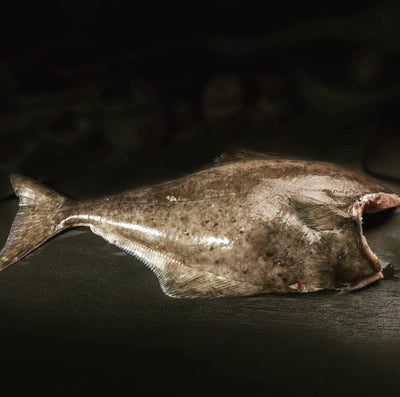
Halibut is more than just a delicious seafood option — it's also a powerhouse of essential nutrients, making it one of the healthiest fish you can add to your diet. Known for its mild flavor and firm texture, halibut is a versatile fish that pairs well with various seasonings and cooking methods. But beyond its culinary appeal, halibut offers a wide range of health benefits. In this guide, we'll explore the nutritional value of halibut, why it's good for your health, and the best ways to include it in your meals.
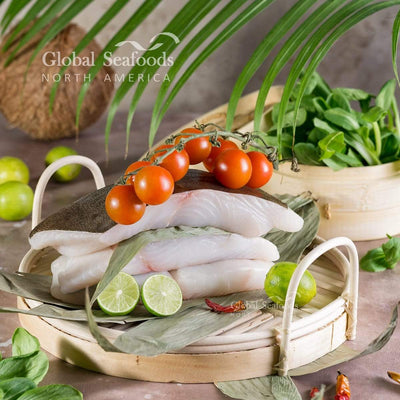
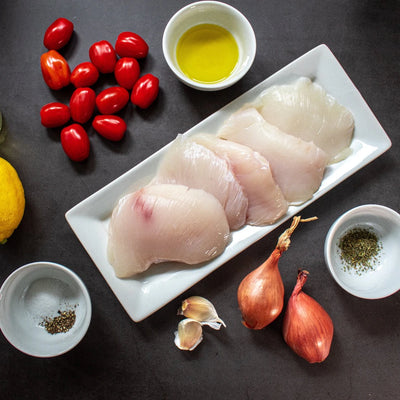
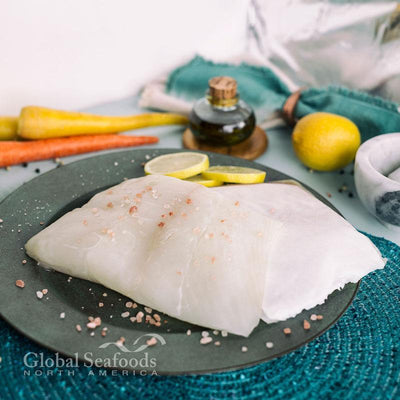
🔗 Pacific Halibut Fillets | 🔗 Halibut Steaks | 🔗 Halibut Cheeks
Halibut Nutrition Facts
Per 3-oz (85g) serving of cooked Pacific halibut:
| Nutrient | Amount | % Daily Value |
|---|---|---|
| Calories | ~110 | — |
| Protein | ~21g | ~42% |
| Total fat | ~2.3g | ~3% |
| Omega-3 (EPA+DHA) | ~400–500mg | — |
| Vitamin B12 | ~1.2mcg | ~50% |
| Vitamin B6 | ~0.4mg | ~25% |
| Selenium | ~40mcg | ~73% |
| Magnesium | ~28mg | ~7% |
| Potassium | ~490mg | ~10% |
| Phosphorus | ~242mg | ~19% |
| Mercury (avg) | ~0.241 ppm | FDA "good choice" category |
Omega-3 context: Halibut has moderate omega-3 content — approximately 400–500mg EPA+DHA per 3-oz serving. This is meaningful but lower than fatty fish like King salmon (~1,500–2,000mg), sockeye salmon (~1,000–1,200mg), or sablefish (~1,500mg). Halibut's omega-3 content is comparable to cod and other lean white fish. For maximum omega-3 intake, pair halibut with higher-omega-3 fish in your weekly rotation.
Mercury context: Pacific halibut has an average mercury level of approximately 0.241 ppm — in the FDA's "good choice" category (eat 1 serving per week). This is significantly lower than high-mercury fish like swordfish (0.995 ppm) or shark (0.979 ppm), but higher than very low-mercury fish like salmon (0.022 ppm) or shrimp (0.009 ppm). Pacific halibut is safe for most adults at 1–2 servings per week; pregnant women and young children should follow the FDA's "good choice" guidance of 1 serving per week.
Why Halibut is a Nutrient-Rich Choice
Halibut is packed with vital nutrients that support overall health, including high-quality protein, heart-healthy omega-3 fatty acids, and essential vitamins and minerals. Here's what makes halibut a nutrient-dense choice:
- High Protein Content: A 3-oz serving of halibut contains approximately 21g of lean protein — 42% of the daily value — essential for muscle growth, repair, and satiety.
- Omega-3 Fatty Acids: Approximately 400–500mg EPA+DHA per 3-oz serving — a meaningful contribution to the recommended 250–500mg daily intake, though lower than fatty fish like salmon.
- Exceptional Selenium Content: A single 3-oz serving provides approximately 73% of the daily value for selenium — one of halibut's most significant nutritional advantages. Selenium is a powerful antioxidant that supports thyroid function and immune health.
- Rich in B Vitamins: Halibut provides approximately 50% of the daily value for vitamin B12 and 25% for vitamin B6 — both essential for energy metabolism, nerve function, and red blood cell production.
According to the American Heart Association, "eating fish high in Omega-3s at least twice a week has been shown to lower the risk of cardiovascular disease," making halibut a good contributor to a heart-healthy diet.
Key Health Benefits of Halibut
1. Supports Heart Health
Halibut is a heart-healthy food due to its omega-3 fatty acid content and its high potassium level (~490mg per 3-oz serving — approximately 10% of the daily value). Omega-3s help reduce inflammation, lower triglycerides, and decrease blood pressure; potassium helps counteract sodium's effects in the body, further supporting cardiovascular health. Regular consumption of omega-3-rich fish like halibut is associated with a reduced risk of heart disease and stroke.
For premium halibut options, explore Global Seafoods' Pacific halibut fillets, which are sustainably sourced from the North Pacific.
2. Boosts Brain Function and Cognitive Health
The omega-3s in halibut — particularly DHA — support brain health by improving cognitive function and reducing the risk of cognitive decline. DHA is a key component of brain cell membranes and helps enhance communication between brain cells. Halibut's vitamin B12 content also supports neurological function and helps prevent cognitive decline associated with B12 deficiency.
3. Provides High-Quality Protein for Muscle Health
As a lean source of complete protein (containing all essential amino acids), halibut is excellent for supporting muscle repair and growth, especially for those with active lifestyles. The protein in halibut also contributes to satiety, helping to keep you full and reduce unhealthy snacking between meals.
For a protein-packed meal ideal for grilling or baking, try Global Seafoods' halibut steaks.
4. Supports Strong Bones and Joints
Halibut is an excellent source of phosphorus (~19% DV per 3-oz serving) and magnesium (~7% DV), which are essential for maintaining bone density and strength. Phosphorus and magnesium work together to help build and repair bone tissue, while potassium helps maintain muscle and bone health by balancing calcium levels.
5. Rich in Selenium for Immune Support and Thyroid Health
Halibut's most impressive micronutrient is selenium — approximately 73% of the daily value per 3-oz serving. Selenium is a powerful antioxidant that protects cells from oxidative damage, supports thyroid hormone metabolism, and boosts immune defenses. Few foods provide this level of selenium in a single serving; halibut is one of the best dietary sources available.
For a unique option, try halibut cheeks, which offer the same nutrient-rich profile in a delicate, tender cut that's perfect for pan-searing.
6. May Help with Weight Management
Due to its high protein content and very low fat (~2.3g per 3-oz serving), halibut is an excellent choice for weight management. At approximately 110 calories per 3-oz serving, it provides substantial protein and satiety with minimal caloric density. The omega-3s in halibut have also been shown to reduce inflammation, which can sometimes interfere with weight regulation.
7. Promotes Heart and Muscle Health with Potassium
Potassium is an essential mineral for maintaining normal heart function, muscle contractions, and nerve signaling. Halibut provides approximately 490mg of potassium per 3-oz serving — about 10% of the daily value — which helps counteract sodium's effects in the body, lowering blood pressure and supporting heart and muscle health.
How to Select and Store Fresh Halibut
Tips for Buying Fresh Halibut
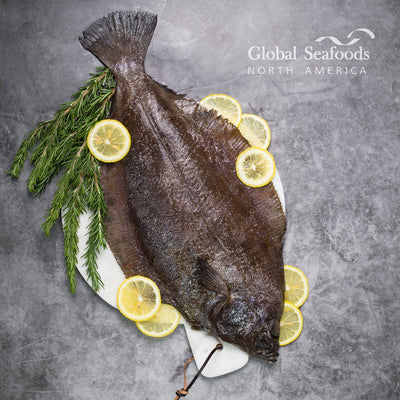
- Look for Clear, Bright Eyes (if buying a whole fish): Fresh halibut will have clear, bright eyes. Cloudy eyes are a sign the fish isn't fresh.
- Check the Smell: Fresh halibut should have a mild, oceanic scent. Avoid any fish with a strong or "fishy" odor.
- Inspect the Flesh: Fresh halibut fillets should be firm, slightly translucent, and free of discoloration. Fillets should have a slight sheen and be moist but not slimy.
For a convenient option, explore Global Seafoods' collection of halibut options for high-quality, sustainably sourced halibut products delivered directly to your door.
How to Properly Store Halibut
- In the Refrigerator: Store halibut in the coldest part of your refrigerator and use within 1–2 days of purchase.
- In the Freezer: Wrap halibut tightly in plastic wrap and place it in a freezer-safe bag. Frozen halibut can maintain its quality for up to 3 months.
- Thawing: Thaw frozen halibut in the refrigerator overnight for best results. Pat completely dry before cooking.
Delicious Ways to Enjoy Halibut
Baked Halibut with Lemon and Herbs
Baking halibut is a simple, healthy way to enjoy it while preserving its natural flavors. Preheat your oven to 375°F, season the fillets with salt, pepper, fresh herbs, and lemon, and bake for 12–15 minutes or until opaque and flaky.
Grilled Halibut Steaks with Garlic Butter
Grilling halibut steaks adds a smoky depth of flavor. Brush the steaks with a bit of olive oil, season with salt and pepper, and grill over medium-high heat for 3–4 minutes per side. Finish with melted garlic butter and a sprinkle of parsley.
Pan-Seared Halibut Cheeks with White Wine Sauce
Halibut cheeks have a unique, tender texture that's perfect for pan-searing. Heat a bit of olive oil in a skillet, cook the cheeks for 2–3 minutes per side, and deglaze the pan with white wine, lemon juice, and capers for a light, flavorful sauce.
Shop Halibut
🎥 Watch halibut cooking tutorials on the Global Seafoods YouTube Channel
Frequently Asked Questions About Halibut and Its Health Benefits
How often should I eat halibut for health benefits?
For most healthy adults, 1–2 servings of Pacific halibut per week is appropriate. The FDA classifies Pacific halibut as a "good choice" (1 serving per week) due to its moderate mercury level (~0.241 ppm). At 1–2 servings per week, halibut contributes meaningful omega-3s, selenium, B12, and lean protein to your diet. Pregnant women and young children should follow the FDA's "good choice" guidance of 1 serving per week and pair halibut with lower-mercury fish (salmon, shrimp, cod) for the remaining servings.
Is halibut safe to eat regularly?
Yes, Pacific halibut is safe to eat regularly for most healthy adults at 1–2 servings per week. Its mercury level (~0.241 ppm average) is in the FDA's "good choice" category — significantly lower than high-mercury fish like swordfish (0.995 ppm) or shark (0.979 ppm), but higher than very low-mercury fish like salmon (0.022 ppm). For pregnant women, women who may become pregnant, nursing mothers, and young children: follow the FDA's "good choice" guidance of 1 serving per week.
How do I store fresh halibut?
Store fresh halibut in the coldest part of your refrigerator and use within 1–2 days of purchase. For longer storage, wrap tightly in plastic wrap, place in a freezer-safe bag, and freeze for up to 3 months. Thaw overnight in the refrigerator; pat completely dry before cooking. Do not thaw at room temperature.
Can halibut help with weight management?
Yes — halibut is an excellent choice for weight management. At approximately 110 calories and 21g of protein per 3-oz serving, it provides substantial satiety with minimal caloric density. The high protein content reduces hunger and supports muscle maintenance during weight loss. The very low fat content (~2.3g per 3-oz serving) means halibut adds minimal calories from fat. It is one of the leanest, most protein-dense fish available.
Where can I buy high-quality halibut online?
Global Seafoods offers a variety of halibut cuts — fillets, steaks, and cheeks — sustainably sourced from the North Pacific and delivered directly to your door.
Related Products


Also in News

Snail Caviar: How White Escargot Caviar Is Farmed, Harvested and Made

The Dark Years of Pacific Salmon: A 20-Year Outlook for Alaska, Russia, and the Red Caviar Market

King Crab Legs Delivery: Is It Worth It? Exploring the Benefits and Best Options
Shop Now
Main
