
Mastering the Art of Ikura: Your Ultimate Guide to Red Caviar

Ikura: A Comprehensive Guide to Red Caviar
Ikura, often called red caviar or salmon roe, is an exquisite delicacy revered for its vibrant color, delicate texture, and bold flavor. Its versatility in cooking and cultural significance in Japanese and Russian cuisine have made it a global favorite. Whether you're new to ikura or seeking to deepen your knowledge, this guide offers an in-depth exploration of its history, health benefits, preparation methods, and pairing suggestions.
Let's take a deep dive into the luxurious world of ikura and discover how this culinary treasure can elevate your dining experience.
1. What is Ikura?
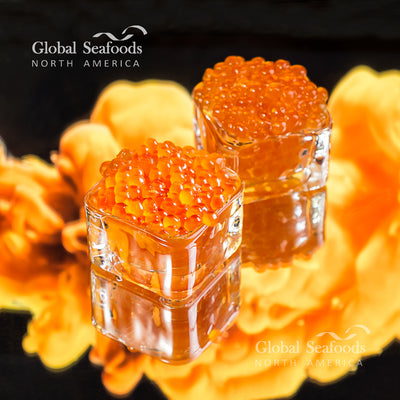
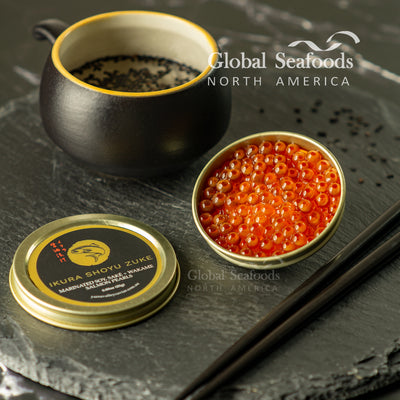
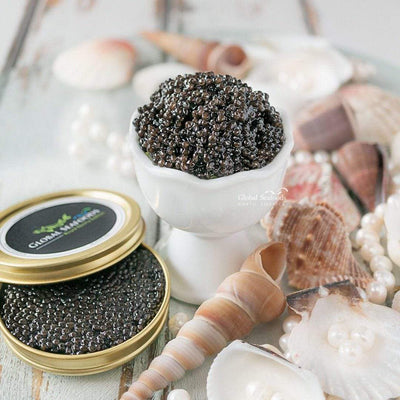
Ikura is the Japanese term for salmon roe, the eggs harvested from various salmon species. Known for its signature orange-to-red hue, ikura's briny, umami-rich taste and satisfying pop make it a culinary delight.
Characteristics of Ikura:
- Appearance: Bright, translucent eggs ranging in size from 4 to 6 mm.
- Texture: Firm yet delicate, with a unique popping sensation.
- Flavor: A balance of salty, briny, and slightly sweet notes.
Popular Salmon Roe Types:
- Chum Salmon Caviar: Large eggs with a bold, oceanic flavor.
- Pink Salmon Caviar: Smaller eggs with a mild, approachable taste.
- Coho Salmon Caviar: A favorite for its rich, buttery profile.
Ikura is a staple in Japanese cuisine, often served atop rice bowls, sushi, or enjoyed as a standalone delicacy.
2. The History of Ikura: A Global Culinary Journey
Ikura has a fascinating history that intertwines with the culinary traditions of both Japan and Russia.
Origins in Japan:
In Japanese culture, ikura has long been associated with celebration and prosperity. It is a key ingredient in osechi ryori (traditional New Year's cuisine) and symbolizes abundance and good fortune.
Influence of Russian Cuisine:
The term "ikura" is derived from the Russian word ikra, meaning caviar. Russia's love for red caviar dates back to the Tsarist era when it was considered a symbol of luxury and prestige. Paired with vodka or champagne, it was a staple at banquets and celebrations.
Global Appeal:
Today, ikura's vibrant color, health benefits, and unique flavor have made it a global delicacy, featured in fusion dishes and gourmet menus worldwide.
3. Why Ikura is a Nutritional Powerhouse
Ikura isn't just a feast for the senses—it's a nutritional gem packed with essential nutrients.
Health Benefits of Ikura:
- Rich in Omega-3 Fatty Acids: Promotes cardiovascular health and cognitive function.
- High-Quality Protein: Supports muscle repair and growth, making it ideal for active lifestyles.
- Vitamins and Minerals: Contains Vitamin D, Vitamin B12, and selenium, essential for immunity and bone health.
- Antioxidants: Astaxanthin, the pigment responsible for its color, helps combat oxidative stress.
According to Harvard Medical School, consuming Omega-3-rich foods like ikura can reduce inflammation and support overall wellness.
4. How to Buy the Best Ikura
Not all ikura is created equal. Knowing what to look for ensures you get the best quality for your meals.
Tips for Buying Ikura:
- Freshness: Look for vibrant, shiny eggs with a firm texture.
- Sustainability: Opt for products harvested responsibly to support marine ecosystems.
- Source: Choose suppliers known for quality, such as Global Seafoods.
Recommended Ikura Products:
- Chum Salmon Caviar: A bold, flavorful option.
- Pink Salmon Caviar: Perfect for beginners.
- Trout Red Caviar: A unique, slightly sweet choice.
5. How to Serve Ikura Like a Gourmet Chef
Ikura's versatility makes it suitable for both casual and upscale dining.
Classic Serving Ideas:
- Ikura Sushi: Use it as a topping for nigiri or inside sushi rolls.
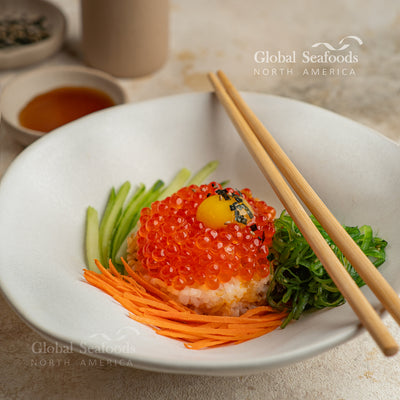
- Rice Bowls: Create a traditional Japanese donburi by layering ikura over steamed rice.
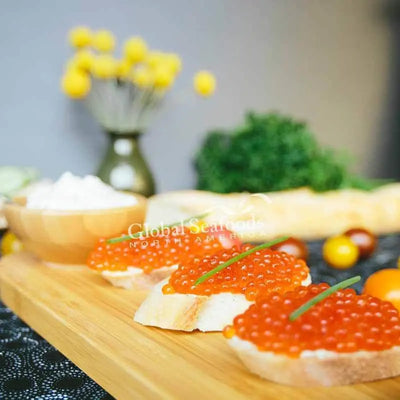
- Appetizers: Serve ikura on blinis or crackers with cream cheese.
- Salads: Toss ikura with greens, avocado, and a citrus dressing.
For a creative twist, pair ikura with infused caviars like Bloody Shiraz Caviar.
6. Storing Ikura for Maximum Freshness
Proper storage preserves ikura's texture and flavor:
Storage Tips:
- Refrigeration: Store unopened jars at 32°F to 39°F. Once opened, consume within 3-5 days.
- Freezing: For longer storage, freeze ikura in an airtight container for up to three months.
Pro Tip:
Thaw frozen ikura in the refrigerator overnight for the best texture. Avoid microwaving or rapid defrosting.
7. Cooking with Ikura: Elevate Everyday Meals
Ikura can transform simple dishes into gourmet creations.
Recipe Ideas:
- Ikura Pasta: Toss linguine with olive oil, garlic, and ikura for a luxurious meal.
- Ikura Soup: Garnish miso soup with a spoonful of ikura for a burst of flavor.
- Ikura Deviled Eggs: Add ikura to deviled eggs for an elegant appetizer.
For more creative recipes, check out the Global Seafoods YouTube Channel.
8. Sustainability and Ikura Production
With the rising popularity of ikura, sustainability is more important than ever.
How to Support Sustainable Practices:
- Look for suppliers who prioritize responsible fishing methods.
- Choose certified sustainable products, like those from Global Seafoods.
Sustainability ensures that future generations can enjoy the delicacy without compromising marine ecosystems.
9. Frequently Asked Questions About Ikura
Q1: Is ikura the same as regular caviar?
No, ikura specifically refers to salmon roe, while traditional caviar is harvested from sturgeon.
Q2: How long does ikura last?
Unopened ikura lasts up to three months in the refrigerator. Once opened, consume within 3-5 days.
Q3: Can ikura be frozen?
Yes, freezing is an excellent way to extend its shelf life without compromising quality.
Q4: Is ikura healthy?
Absolutely! It's rich in Omega-3s, protein, and essential vitamins.
Q5: Where can I buy premium ikura?
Shop high-quality options at Global Seafoods.
Ikura isn't just a delicacy—it's a celebration of flavor, tradition, and nutrition. Whether served on sushi, incorporated into gourmet recipes, or enjoyed straight from the jar, mastering the art of ikura is a culinary journey worth taking.
For more seafood inspiration, explore the Global Seafoods YouTube Channel.
Related Products


Also in News

Snail Caviar: How White Escargot Caviar Is Farmed, Harvested and Made

The Dark Years of Pacific Salmon: A 20-Year Outlook for Alaska, Russia, and the Red Caviar Market

King Crab Legs Delivery: Is It Worth It? Exploring the Benefits and Best Options
Shop Now
Main
