
The Ultimate Guide to Choosing the Best Salmon Roe for Sushi Rolls

Salmon Roe Rolls: Choosing the Perfect Ikura for Your Sushi
Sushi lovers worldwide appreciate the exquisite taste and texture of salmon roe rolls. Also known as ikura, salmon roe is a prized ingredient in sushi, offering a delightful burst of briny flavor with every bite. However, not all salmon roe is created equal. If you're looking to create the perfect salmon roe sushi rolls, knowing how to choose the best quality roe is essential.
In this guide, we explore what makes salmon roe (ikura) special, how to select the best roe for your sushi rolls, and compare different types of red caviar to help you make an informed choice.
What is Salmon Roe?
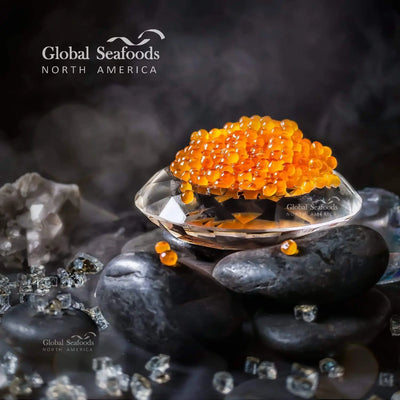
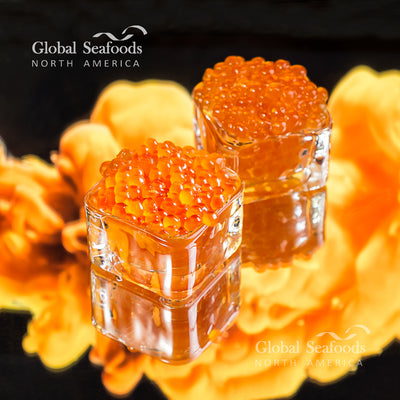
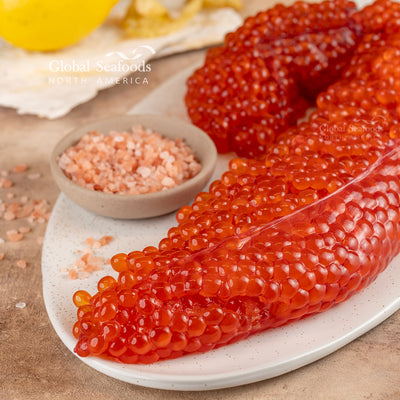
Salmon roe consists of bright orange eggs harvested from various species of salmon. These delicate pearls are packed with rich umami flavor, bursting with a slightly salty, oceanic taste that pairs beautifully with sushi rice.
Salmon roe is not only delicious but also nutrient-dense, rich in omega-3 fatty acids, complete protein, Vitamin D, Vitamin B12, and selenium — making it a health-boosting addition to any sushi dish. A single tablespoon of salmon roe provides approximately 40–50 calories, 4–5g of protein, and 300–500 mg of omega-3s.
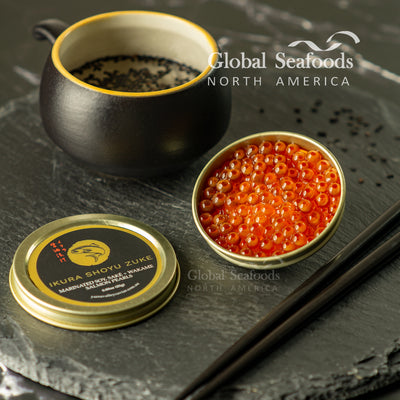
In Japanese cuisine, ikura (from the Russian word for fish roe, ikra) refers specifically to marinated salmon roe — typically cured in soy sauce, sake, and mirin — as opposed to raw, unseasoned roe. The marination process enhances the flavor and extends shelf life. When purchasing ikura for sushi, you may find both marinated (seasoned) and unseasoned versions; marinated ikura is the traditional Japanese preparation and is ready to use directly on sushi.
How to Choose the Best Salmon Roe for Sushi Rolls
When selecting salmon roe for sushi, consider these key factors:
1. Color
- Look for: Bright, translucent orange to deep red roe with a natural, glossy shine
- Why it matters: High-quality roe should have consistent, vibrant color indicating freshness; dull, faded, or opaque eggs suggest age or poor handling
2. Texture
- Look for: Firm eggs that hold their shape and pop cleanly in your mouth
- Why it matters: The signature bursting sensation is a sign of premium-grade salmon roe; eggs that are mushy or collapse without popping have degraded membranes from age or improper storage
3. Flavor
- Look for: A delicate balance of briny, slightly sweet, and umami-rich flavors
- Why it matters: Fresh ikura should have a clean ocean taste; an overly fishy, sour, or excessively salty flavor indicates the roe is past its prime or was poorly processed
4. Freshness
- Look for: Fresh roe with a clean, oceanic scent and firm texture; marinated ikura should smell of soy and sesame, not ammonia or sourness
- Avoid: Slimy, sticky, or overly soft roe, as it may be past its prime; any off-odors are a clear sign of spoilage
5. Size
- Larger eggs (king and chum salmon) provide a more intense bursting sensation and are preferred for premium sushi presentations
- Smaller eggs (pink salmon, trout) offer a more subtle texture but still pack great flavor and are more affordable
Types of Salmon Roe for Sushi Rolls
Different species of salmon produce roe that varies in size, flavor, and texture. Here's a comparison of the most common types:
| Type of Salmon Roe | Color | Texture | Flavor | Best For |
|---|---|---|---|---|
| Chum Salmon Roe (Keta Ikura) | Bright orange | Firm, satisfying pop; largest of the common roe types | Mild, slightly briny; the most balanced flavor | The classic choice for sushi rolls; most widely used ikura in Japanese restaurants |
| Coho (Silver) Salmon Roe | Deep red-orange | Slightly softer than chum; medium-sized eggs | Rich, slightly stronger umami taste with a buttery finish | Those who enjoy a bolder, more complex flavor |
| King (Chinook) Salmon Roe | Deep orange-red | Large, firm eggs with excellent pop; the most impressive presentation | Buttery, intensely briny; the richest flavor of any salmon roe | Premium sushi rolls, gunkan-maki, and gourmet dishes; the most prized variety |
| Pink Salmon Roe | Pale orange | Smaller, softer eggs | Mild and delicate; the most subtle flavor | A budget-friendly choice; good for those new to salmon roe |
| Trout Roe (Red Caviar) | Bright orange | Smaller, crisp texture; very uniform size | Lightly briny and slightly sweet; cleaner flavor than salmon roe | A more affordable alternative to salmon roe; excellent on blinis or toast points |
Explore the Full Red Caviar Collection at Global Seafoods
How to Use Salmon Roe in Sushi Rolls
Once you've chosen the perfect salmon roe, here are three classic ways to use ikura in sushi:
1. Classic Ikura Sushi Rolls (Maki Rolls)
- Ingredients: Sushi rice, nori seaweed, fresh ikura, cucumber, avocado, and sesame seeds
- Method: Roll sushi rice with cucumber and avocado inside the nori, then top the finished roll with salmon roe for an elegant finish; the roe is placed on the outside of the roll, not inside, to preserve its texture
2. Salmon Roe Gunkan-Maki (Battleship Sushi)
- Ingredients: Sushi rice, nori strips, and fresh ikura
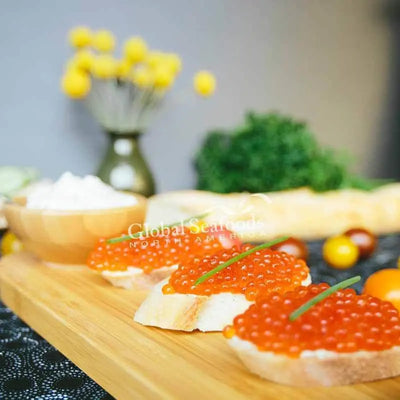
- Method: Shape sushi rice into an oval nigiri base, wrap a nori strip around the perimeter to create a "boat" shape, and fill generously with salmon roe; gunkan-maki is the traditional Japanese presentation for ikura and allows the roe to be the star of the dish
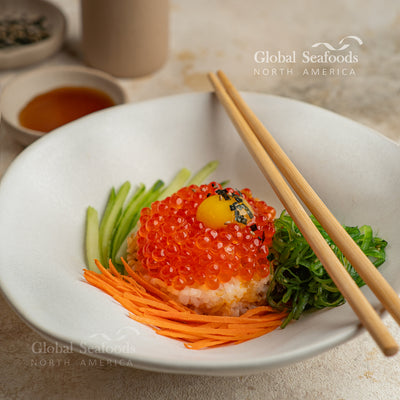
3. Ikura Don (Salmon Roe Rice Bowl)
- Ingredients: Warm sushi rice, fresh ikura, shiso leaves, cucumber, and a drizzle of soy sauce
- Method: Place a generous amount of salmon roe over a bowl of seasoned sushi rice and garnish with shiso leaves and cucumber; ikura don is a popular donburi dish in Japan and is one of the simplest and most satisfying ways to enjoy premium salmon roe
Conclusion
Choosing the best salmon roe for your sushi rolls can elevate your dining experience significantly. By focusing on color, texture, flavor, and freshness, you can ensure a premium sushi experience at home. Whether you prefer the delicate, balanced taste of chum salmon roe (the classic ikura choice), the rich umami of coho, or the buttery intensity of king salmon roe, there's a perfect variety for every sushi lover and every budget.
- Chum Salmon Caviar (Keta Ikura)
- Coho Salmon Caviar
- Trout Red Caviar
- Pink Salmon Caviar
- Full Red Caviar Collection
Watch more sushi and seafood recipes on Global Seafoods YouTube
Frequently Asked Questions (FAQs)
Q: Can I freeze salmon roe?
A: Yes, but with some quality trade-offs. Freezing salmon roe causes the egg membranes to become slightly softer upon thawing, reducing the characteristic pop. For the best texture, consume fresh roe within 3–5 days of opening. If freezing, store in an airtight container and thaw slowly in the refrigerator (12–24 hours) before use. Marinated ikura (soy-cured) freezes better than unseasoned roe because the salt and soy act as preservatives.
Q: What is the difference between wild and farmed salmon roe?
A: Wild salmon roe is typically more vibrant in color, firmer in texture, and has a richer, more complex flavor due to the salmon's natural diet of krill and small fish. Wild roe also has a higher natural astaxanthin content, which contributes to its deeper orange-red color. Farmed salmon roe may be slightly softer and have a milder, less complex taste. For sushi, wild-caught roe is strongly preferred for both flavor and nutritional quality.
Q: How long does salmon roe last in the fridge?
A: Unopened, commercially packaged salmon roe typically lasts 2–4 weeks refrigerated (check the best-by date). Once opened, consume within 3–5 days for the best flavor and texture. Store in the coldest part of the refrigerator (back of the bottom shelf) in an airtight container. Fresh, unseasoned roe has a shorter shelf life than marinated ikura.
Q: Is salmon roe healthy?
A: Yes. Salmon roe is exceptionally nutrient-dense for its calorie count. A single tablespoon provides approximately 40–50 calories, 4–5g of complete protein, 300–500 mg of omega-3 fatty acids (EPA and DHA), and meaningful amounts of Vitamin D, Vitamin B12, and selenium. The omega-3s support brain health, heart health, and immune function. The main consideration is sodium — marinated ikura can be high in sodium (200–400 mg per tablespoon) due to the soy sauce curing; those monitoring sodium intake should enjoy it in moderation.
Q: What is the difference between ikura and tobiko?
A: Ikura is salmon roe — large, soft, orange eggs with a rich, briny, umami flavor and a satisfying pop. Tobiko is flying fish roe — very small, crunchy, bright orange eggs with a mild, slightly sweet flavor and a crispy texture. Tobiko is often used as a garnish on sushi rolls (the orange coating on California rolls), while ikura is typically featured as the main ingredient in gunkan-maki or ikura don. Masago (capelin roe) is similar to tobiko but smaller and less flavorful.
Related Products


Also in News

Snail Caviar: How White Escargot Caviar Is Farmed, Harvested and Made

The Dark Years of Pacific Salmon: A 20-Year Outlook for Alaska, Russia, and the Red Caviar Market

King Crab Legs Delivery: Is It Worth It? Exploring the Benefits and Best Options
Shop Now
Main
