
Alaskan Pollock – Why It’s the World’s Most Sustainable Seafood Choice

Sustainable Seafood: Exploring the Alaskan Pollock Fishery
Why Alaskan Pollock is the Ultimate Sustainable Seafood Choice
When it comes to choosing seafood that’s both delicious and environmentally responsible, Alaskan Pollock stands out as one of the best choices. Found in the cold, pristine waters of the Bering Sea and the Gulf of Alaska, Alaskan Pollock is not only a versatile and nutritious fish but also one of the most sustainably managed fisheries in the world.
Let’s dive into the journey of Alaskan Pollock—from ocean to table— and discover why this fish is a game-changer for sustainability, health, and culinary excellence.
What Makes the Alaskan Pollock Fishery Sustainable?
The Alaskan Pollock fishery is a gold standard for sustainability. It’s one of the largest, most well-regulated fisheries globally, ensuring that Pollock populations remain abundant while minimizing environmental impact.
Here’s why it’s considered one of the most sustainable fisheries in the world:
✅ Strict Regulations: The fishery is managed under the Alaska Department of Fish and Game (ADFG) and NOAA Fisheries, which enforce rigorous catch limits, quotas, and habitat protections through the Magnuson-Stevens Fishery Conservation and Management Act.
✅ No Overfishing: Unlike other fisheries that face depletion, Alaskan Pollock is harvested responsibly, ensuring stable populations for future generations. Annual stock assessments by NOAA confirm the fishery remains well above sustainable thresholds.
✅ Bycatch Reduction: The industry uses advanced trawl nets with escape routes for non-target species, helping protect marine biodiversity including salmon, halibut, and marine mammals.
✅ MSC Certification: The Alaskan Pollock fishery has been certified sustainable by the Marine Stewardship Council (MSC) for over 20 years – one of the longest-running MSC certifications in the world.
✅ Minimal Environmental Impact: Unlike some farmed seafood, wild-caught Alaskan Pollock is free from antibiotics, artificial feeds, and pollution, making it a more eco-friendly choice.
With such robust sustainability measures in place, choosing Alaskan Pollock means supporting ocean conservation while enjoying high-quality seafood.
Why You Should Choose Alaskan Pollock
Still not convinced? Here are some irresistible reasons why Alaskan Pollock should be your go-to seafood choice:
1. It’s a Healthy Superfood
Alaskan Pollock is nutrient-rich and offers incredible health benefits, including:
- High-quality protein – approximately 20g per 3oz serving – essential for muscle growth and repair
- Omega-3 fatty acids (EPA & DHA) – support heart and brain health
- Vitamin B12 and selenium – boost energy and immune function
- Low in fat and calories – approximately 90–100 calories per 3oz – perfect for weight management
This means that every bite of Alaskan Pollock is packed with essential nutrients that contribute to a healthy lifestyle.
2. It’s a Versatile & Delicious Fish
Alaskan Pollock’s mild flavor and flaky texture make it incredibly versatile. Whether you love grilled seafood, crispy fish fillets, or hearty chowders, Pollock adapts beautifully to countless recipes.
Popular Ways to Enjoy Alaskan Pollock:
✔ Grilled Alaskan Pollock Tacos – smoky, spiced, and served with fresh slaw and avocado
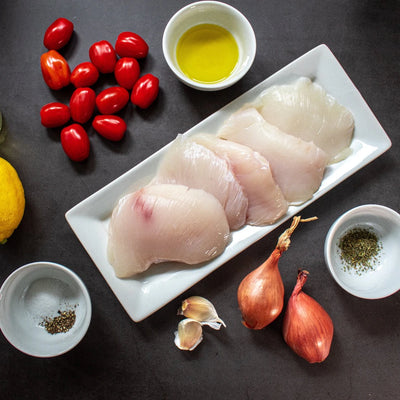
✔ Baked Pollock with Lemon & Herbs – simple, healthy, and ready in under 20 minutes
✔ Crispy Beer-Battered Fish & Chips – the classic pub-style preparation
✔ Pollock Chowder – creamy, comforting, and packed with vegetables
With so many delicious ways to prepare Alaskan Pollock, it’s easy to incorporate into your weekly meals!
3. Affordable and Widely Available
Unlike other whitefish like cod or halibut, Alaskan Pollock is affordable and readily available in most grocery stores. You can find fresh fillets, frozen portions, or even Pollock-based products like fish sticks and imitation crab (surimi). It’s the most commercially harvested white fish in the world by volume, which keeps prices accessible without sacrificing quality.
🛒 Looking to buy high-quality Pollock? Check out these premium options:
The Environmental Impact of Alaskan Pollock
Sustainability isn’t just about managing fish populations—it’s also about reducing waste and carbon footprints.
🐟 Nothing Goes to Waste: Pollock processing plants maximize efficiency by using every part of the fish. Fish parts that aren’t used for fillets are turned into:
✔ Fish oil – used in omega-3 supplements & cosmetics
✔ Fishmeal – a sustainable feed for livestock & aquaculture
✔ Surimi (imitation crab) – a high-protein, low-waste product used worldwide
🌊 Lower Carbon Footprint: Unlike farmed fish, wild-caught Alaskan Pollock has a lower environmental impact because it doesn’t require fish feed, chemicals, or intensive farming operations. Midwater trawling – the primary harvest method – does not contact the seafloor, protecting benthic ecosystems.
By choosing Alaskan Pollock, you’re supporting a responsible seafood industry that prioritizes ocean health.
FAQs About Alaskan Pollock
Is Alaskan Pollock better than cod?
Both are excellent choices, but Alaskan Pollock is more sustainable, more affordable, and slightly lower in calories compared to cod. Pollock has a slightly milder, sweeter taste and a more delicate texture. Cod has a firmer, thicker fillet that holds up better to heavy battering. For everyday cooking – tacos, chowder, baking – they are largely interchangeable. Pollock is the better choice for sustainability-conscious consumers.
Can I eat Alaskan Pollock if I’m on a diet?
Yes – it’s one of the best seafood choices for weight management. At approximately 90–100 calories and less than 1g of fat per 3oz serving, with 20g of lean protein, Alaskan Pollock is highly satiating without being calorie-dense. Its high protein content supports muscle maintenance during calorie restriction, and it’s naturally low in sodium when prepared without heavy sauces or breading.
Is Alaskan Pollock safe to eat raw?
Pollock is typically cooked rather than eaten raw. Unlike salmon or tuna, pollock is not commonly used for sashimi or poke. It can be used in ceviche (where citrus juice chemically “cooks” the fish), but this is uncommon. If you want to use pollock raw or in ceviche, ensure it has been frozen to FDA-recommended temperatures to eliminate parasites, and buy from a trusted seafood supplier.
What’s the best way to cook Alaskan Pollock?
The most popular methods are: baking (400°F for 12–15 minutes with lemon and herbs – simple and healthy), pan-searing (2–3 minutes per side in a hot skillet – creates a golden crust), battering and frying (classic fish & chips or fish tacos), and poaching in broth (for chowder or soups). Pollock is done when it flakes easily with a fork and reaches an internal temperature of 145°F (63°C).
What is the difference between Alaskan Pollock and Atlantic Pollock?
Alaskan Pollock (Gadus chalcogrammus) and Atlantic Pollock (Pollachius virens) are different species. Alaskan Pollock is milder, lighter in color, and more delicate in texture – it’s the species used in fish sticks, fast food fish sandwiches, and surimi. Atlantic Pollock has a stronger, slightly more pronounced flavor and darker flesh. Alaskan Pollock is far more abundant and sustainably managed; Atlantic Pollock populations have faced more pressure from overfishing historically.
Final Thoughts: The Future of Sustainable Seafood
Alaskan Pollock is more than just a delicious fish—it’s a symbol of sustainability, responsible fishing, and superior nutrition.
💙 By choosing Alaskan Pollock, you’re making a positive impact on the environment while enjoying a high-quality, affordable, and healthy seafood option. So, next time you’re planning your meals, consider adding Alaskan Pollock to your rotation—your taste buds and the planet will thank you.
📌 Where to Buy Sustainable Alaskan Pollock:
🎥 Want to learn more? Watch seafood recipes & sustainability tips on the Global Seafoods YouTube Channel!




Related Products

Also in News

Snail Caviar: How White Escargot Caviar Is Farmed, Harvested and Made

The Dark Years of Pacific Salmon: A 20-Year Outlook for Alaska, Russia, and the Red Caviar Market

King Crab Legs Delivery: Is It Worth It? Exploring the Benefits and Best Options
Shop Now
Main
