
Alaskan Sockeye Salmon – Wild-Caught, Nutrient-Rich & Full of Flavor

Alaskan Sockeye Salmon: The Ultimate Guide to Flavor, Nutrition, and Quality
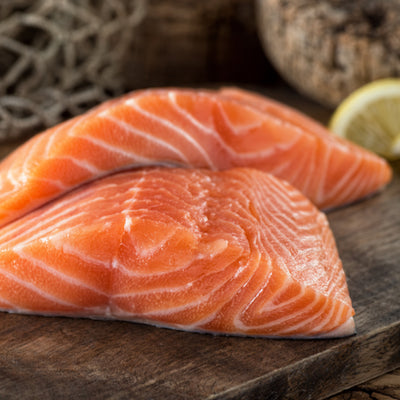
Alaskan Sockeye Salmon is a culinary treasure from the pristine waters of Alaska, renowned for its vibrant red color, firm texture, and rich, buttery flavor. Whether grilled, baked, or smoked, this premium salmon offers an unmatched taste experience while being packed with essential nutrients.
In this guide, we’ll explore the origin, flavor, nutritional benefits, and best ways to enjoy Alaskan Sockeye Salmon.
1. The Last Frontier’s Finest: Where Does Alaskan Sockeye Salmon Come From?
Alaskan Sockeye Salmon is sourced from the cold, clean waters of Alaska, often referred to as “The Last Frontier.” These pristine environments provide the perfect habitat for salmon to thrive – the combination of cold, oxygen-rich water, abundant food sources, and intact river systems produces some of the finest wild salmon in the world.
Why Is Alaskan Sockeye Salmon So Special?
✔ Wild-Caught & Sustainable: Sourced from eco-friendly fisheries managed by the Alaska Department of Fish & Game using real-time escapement monitoring – ensuring long-term sustainability and healthy populations.
✔ Cold, Pristine Waters: The icy Alaskan rivers and streams – including Bristol Bay (the world’s largest sockeye run) and the Copper River – help develop the salmon’s firm texture and bold flavor.
✔ Natural Diet: Fed on krill and astaxanthin-rich plankton, resulting in its deep red flesh and high oil content – the astaxanthin is the same antioxidant pigment that gives flamingos their pink color and provides significant health benefits.
2. Flavor & Texture: What Makes Alaskan Sockeye Salmon Unique?
Flavor Profile
- Rich, Buttery, & Slightly Sweet: Offers a naturally robust, slightly sweet flavor – more pronounced than coho or pink salmon, but less fatty than King salmon. The flavor is often described as “the most salmon-y of all salmon.”
- Higher Oil Content: Delivers a luxurious, melt-in-your-mouth taste – the high fat content carries flavor compounds beautifully and keeps the fish moist during cooking.
- Subtle Smoky Undertones: Especially present in smoked varieties – the natural oils in sockeye absorb smoke flavor exceptionally well, making it the preferred species for smoking in the Pacific Northwest.
Texture
- Firm & Meaty: Perfect for grilling, baking, or pan-searing – the firm flesh holds up well to high heat without falling apart, unlike softer pink or chum salmon.
- Holds Its Shape: Unlike some softer salmon varieties, sockeye remains firm even when cooked – making it ideal for dishes where presentation matters.
- Vibrant Color: Its deep red hue stays bright even after cooking – the astaxanthin pigment is heat-stable, so the stunning color is preserved whether grilled, baked, or smoked.
3. Nutritional Powerhouse: Health Benefits of Alaskan Sockeye Salmon
Alaskan Sockeye Salmon is more than just delicious – it’s one of the most nutrient-dense seafood options available.
Key Nutrients & Their Benefits
✔ Rich in Omega-3 Fatty Acids: Supports heart health, brain function, and reduces inflammation – approximately 1,200–1,500mg of EPA+DHA per 3oz serving, one of the highest concentrations of any salmon species.
✔ High-Quality Protein: Promotes muscle growth and overall well-being – 20g+ of complete protein per 3oz serving, providing all essential amino acids including leucine for muscle protein synthesis.
✔ Loaded with Vitamins & Minerals:
✔ Vitamin D – Strengthens bones and immune function – approximately 100% DV per 3oz serving.
✔ Vitamin B12 – Boosts energy production and brain health – approximately 130% DV per 3oz serving.
✔ Selenium – A powerful antioxidant for cellular protection – approximately 60% DV per 3oz serving.
✔ Potassium – Regulates blood pressure and muscle function – more potassium per serving than a banana.
4. Best Ways to Prepare Alaskan Sockeye Salmon
This versatile fish can be cooked in multiple ways to enhance its natural flavor.
Grilled Alaskan Sockeye Salmon
Best for: BBQ, Outdoor Cookouts
✔ Brush with olive oil, lemon juice, and herbs before grilling – marinate for 30 minutes for deeper flavor penetration.
✔ Preheat grill to 375–400°F. Cook over medium-high heat for 4–5 minutes per side – do not move the fish until it releases naturally from the grates. Internal temperature: 125–130°F (medium) or 145°F (fully cooked).
✔ Pair with roasted vegetables or a fresh salad.
Baked Alaskan Sockeye Salmon
Best for: Easy, Healthy Meals
✔ Preheat oven to 375°F (190°C).
✔ Season with garlic, dill, and butter; bake for 12–15 minutes until the fish flakes easily. Internal temperature: 125–130°F (medium) or 145°F (fully cooked). Do not overbake – sockeye dries out quickly above 145°F.
✔ Serve with quinoa, rice, or steamed greens.
Pan-Seared Alaskan Sockeye Salmon
Best for: Crispy, Restaurant-Style Texture
✔ Pat fillets completely dry with paper towels – essential for achieving a golden sear.
✔ Heat a cast iron or stainless steel pan over medium-high heat with butter or olive oil until shimmering.
✔ Sear skin-side down for 4–5 minutes without moving, then flip and cook for 2 more minutes. The skin should be crispy and release naturally from the pan.
✔ Top with lemon zest and serve with a citrus glaze.
5. Best Pairings & Side Dishes for Alaskan Sockeye Salmon
Best Wine Pairings
✔ White Wines: Sauvignon Blanc (crisp and citrusy – excellent with grilled preparations), Chardonnay (buttery notes complement the fish’s richness), Riesling (off-dry versions balance the salmon’s natural oils)
✔ Sparkling Wines: Champagne or Prosecco – the bubbles cleanse the palate between bites of rich, fatty salmon
✔ Light Reds: Pinot Noir – the classic red wine pairing for salmon; choose a lighter, earthier style with low tannins
Perfect Side Dishes
✔ Garlic Butter Asparagus – Complements the fish’s richness – roast at 400°F for 12–15 minutes with olive oil, garlic, and a squeeze of lemon.
✔ Lemon-Herb Quinoa – A light, zesty pairing – cook quinoa in seafood broth and finish with lemon zest, fresh parsley, and a drizzle of olive oil.
✔ Roasted Sweet Potatoes – Balances out the salmon’s natural oils – the natural sweetness of roasted sweet potato creates a beautiful contrast to the savory, rich salmon.
✔ Avocado & Mango Salsa – Adds a refreshing contrast – dice avocado, mango, red onion, cilantro, and jalapeño; dress with lime juice and a pinch of salt.
6. How to Store & Preserve Alaskan Sockeye Salmon
Proper storage ensures that your salmon stays fresh and flavorful.
Short-Term Storage (Refrigeration)
✔ Store in an airtight container on ice in the fridge for up to 2 days – keep in the coldest part of the refrigerator.
✔ Keep wrapped in parchment paper or vacuum-sealed packaging – vacuum-sealing significantly extends freshness and prevents the fish from absorbing other refrigerator odors.
Long-Term Storage (Freezing)
✔ Freeze fresh salmon for up to 6 months in vacuum-sealed bags – quality is best within 3 months.
✔ Thaw overnight in the refrigerator before cooking – never thaw at room temperature. Pat thoroughly dry after thawing before cooking.
7. Where to Buy the Best Alaskan Sockeye Salmon
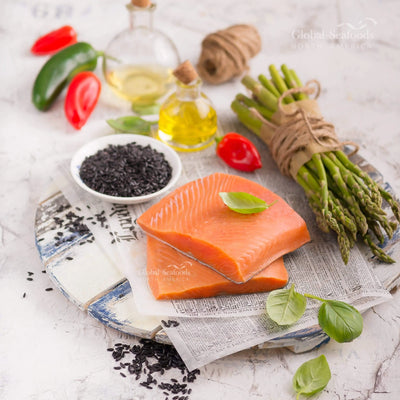
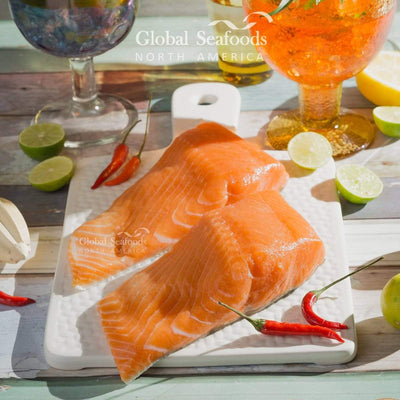
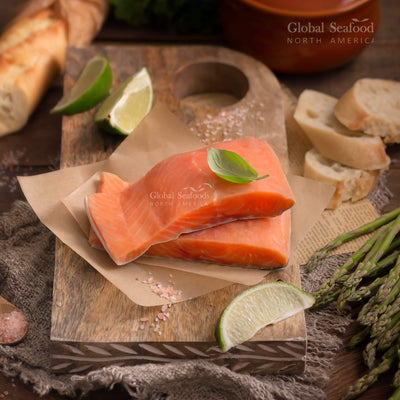
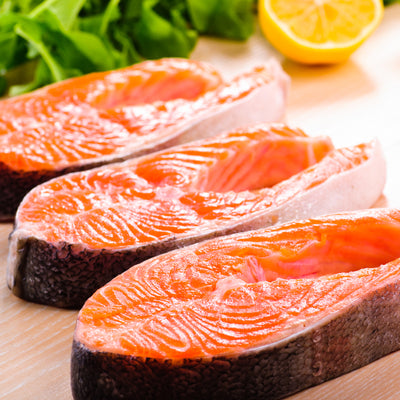
For top-quality, wild-caught Alaskan Sockeye Salmon, check out these premium selections from Global Seafoods:
🎥 Watch more about Alaskan seafood on the Global Seafoods YouTube Channel.
Frequently Asked Questions About Alaskan Sockeye Salmon
What is the difference between sockeye salmon and other salmon species?
Sockeye salmon (Oncorhynchus nerka) is distinguished by its deep red flesh, firm texture, and bold flavor – the most intensely flavored of all Pacific salmon species. Compared to other species: King salmon has higher fat content and a richer, more buttery flavor but is less firm; Coho salmon has a milder flavor and softer texture; Pink salmon is the mildest and leanest; Chum salmon has a lighter color and milder flavor. Sockeye’s deep red color comes entirely from its natural diet of krill and astaxanthin-rich plankton – not synthetic coloring.
Is Alaskan sockeye salmon wild-caught or farmed?
Alaskan sockeye salmon is exclusively wild-caught – salmon farming is prohibited in Alaska by state law, making it one of the few places in the world where all commercially sold salmon is guaranteed to be wild. The Alaska Department of Fish & Game manages the fishery with real-time escapement monitoring, ensuring sustainable harvests year after year. Look for “Wild-Caught Alaska” on the label to confirm authenticity.
When is Alaskan sockeye salmon in season?
The sockeye salmon season runs from May through September, with peak harvest in June and July – Bristol Bay alone produces 20–30 million sockeye annually during peak runs. Copper River sockeye arrives slightly earlier (late May) and is prized for its exceptionally high fat content accumulated during the long upstream migration. Outside of peak season, frozen sockeye (flash-frozen at sea immediately after harvest) is an excellent alternative that preserves peak-season quality.
How do I know if my sockeye salmon is fresh?
Fresh sockeye salmon should have: bright, clear eyes (not cloudy); firm, elastic flesh that springs back when pressed; bright red gills; a clean, ocean-fresh smell (not fishy or ammonia-like); and moist, vibrant red flesh without browning or drying at the edges. If buying fillets, the flesh should be deeply red with no gray or brown patches. Vacuum-sealed frozen sockeye should have no ice crystals inside the package (a sign of thawing and refreezing).
What is the best cooking temperature for sockeye salmon?
Sockeye salmon is best cooked to an internal temperature of 125–130°F (52–54°C) for medium (slightly translucent in the center, very moist) or 145°F (63°C) for fully cooked (FDA recommendation). Because sockeye is leaner than King salmon, it dries out more quickly when overcooked – erring on the side of slightly underdone (125–130°F) produces a much more moist, flavorful result. Use an instant-read thermometer for precision.
How does sockeye salmon compare nutritionally to Atlantic salmon?
Wild Alaskan sockeye and farmed Atlantic salmon are both nutritious, but differ in key ways: Sockeye has a more intense flavor, firmer texture, and slightly lower fat content than farmed Atlantic salmon. Farmed Atlantic salmon typically has higher total fat (including omega-3s) due to its controlled, high-fat diet – but also higher saturated fat. Sockeye’s omega-3s (1,200–1,500mg per 3oz) are slightly lower than farmed Atlantic (1,800–2,200mg) but come from a wild diet with no synthetic additives. Sockeye also has lower mercury levels than many other fish and is consistently rated “Best Choice” by the Monterey Bay Aquarium Seafood Watch.
Final Thoughts: Why Alaskan Sockeye Salmon Is a Must-Try
Alaskan Sockeye Salmon is a culinary gem, offering a perfect balance of rich flavor, firm texture, and top-tier nutrition. Whether grilled, baked, or pan-seared, this delicious seafood is guaranteed to elevate any meal.
Shop premium wild-caught Alaskan salmon today:




Related Products


Also in News

Snail Caviar: How White Escargot Caviar Is Farmed, Harvested and Made

The Dark Years of Pacific Salmon: A 20-Year Outlook for Alaska, Russia, and the Red Caviar Market

King Crab Legs Delivery: Is It Worth It? Exploring the Benefits and Best Options
Shop Now
Main
