
Discover the Health Benefits of Eating Crab Meat: A Nutritious Addition to Your Menu

Crab Meat Nutrition: The Complete Guide to Health Benefits, Nutritional Data, and Dietary Applications
Crab meat is one of the most nutritionally dense seafood options available -- high in complete protein, rich in selenium and zinc, a meaningful source of omega-3 fatty acids, and very low in saturated fat. This guide covers the complete nutritional profile of the three major commercial crab species (Dungeness, king crab, and snow crab) with specific numbers per serving, the health benefits supported by that data, how crab fits into specific dietary frameworks (keto, high-protein, heart health, pregnancy), and what to look for when buying crab meat to maximize nutritional value.
Dungeness Crab Meat | Dungeness Merus Crab Meat | King Crab
Nutritional Profile: Dungeness, King Crab, and Snow Crab Compared
All values are per 3-oz (85g) cooked serving.
Dungeness Crab
- Calories: approximately 94 kcal
- Protein: 19.0g (complete protein -- all nine essential amino acids)
- Total fat: 1.1g
- Saturated fat: approximately 0.1g
- Omega-3 fatty acids (EPA + DHA): approximately 400-500mg -- one of the higher omega-3 contents among crab species
- Cholesterol: approximately 65mg
- Sodium: approximately 320mg (naturally occurring; not added)
- Selenium: approximately 40mcg (73% of the recommended daily value of 55mcg) -- the standout mineral in Dungeness crab
- Zinc: approximately 4.7mg (43% of the recommended daily value of 11mg for men / 8mg for women)
- Copper: approximately 0.6mg (67% of the recommended daily value)
- Vitamin B12: approximately 9.8mcg (408% of the recommended daily value of 2.4mcg) -- exceptional B12 content
- Phosphorus: approximately 238mg (34% of the recommended daily value)
- Magnesium: approximately 54mg (13% of the recommended daily value)
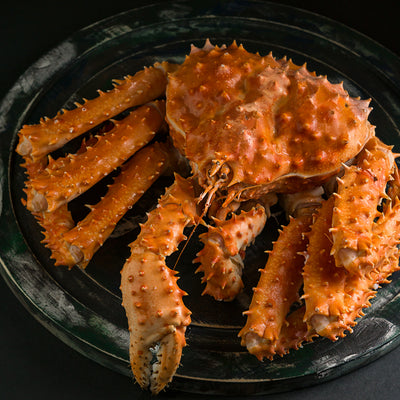
King Crab (Red King Crab)
- Calories: approximately 82 kcal
- Protein: 16.5g
- Total fat: 1.3g
- Saturated fat: approximately 0.1g
- Omega-3 fatty acids (EPA + DHA): approximately 350-450mg
- Selenium: approximately 36mcg (65% DV)
- Zinc: approximately 6.5mg (59% DV for men) -- higher zinc content than Dungeness
- Vitamin B12: approximately 9.1mcg (379% DV)
- Sodium: approximately 911mg -- significantly higher than Dungeness; king crab is naturally higher in sodium
Snow Crab (Chionoecetes opilio)
- Calories: approximately 90 kcal
- Protein: 18.5g
- Total fat: 1.2g
- Saturated fat: approximately 0.1g
- Omega-3 fatty acids (EPA + DHA): approximately 300-400mg
- Selenium: approximately 38mcg (69% DV)
- Zinc: approximately 3.5mg (32% DV)
- Vitamin B12: approximately 8.9mcg (371% DV)
- Sodium: approximately 540mg
Key Nutritional Takeaways Across All Three Species
- Vitamin B12: all three species provide 370-410% of the daily value per 3-oz serving -- crab is one of the richest dietary sources of B12 available; a single serving meets the daily requirement nearly four times over
- Selenium: all three species provide 65-73% of the daily value per serving -- crab is an excellent selenium source; selenium is an antioxidant mineral that supports thyroid function, DNA synthesis, and immune health
- Zinc: king crab is the highest (59% DV); Dungeness is moderate (43% DV); snow crab is lower (32% DV); zinc supports immune function, wound healing, and protein synthesis
- Omega-3s: crab provides a meaningful amount of omega-3 fatty acids (300-500mg EPA + DHA per 3-oz serving) -- more than most lean whitefish but significantly less than fatty fish like salmon (1,500-2,000mg per 3-oz serving); crab is a good omega-3 source but not a primary one
- Sodium: king crab is naturally high in sodium (approximately 911mg per 3-oz serving -- 40% of the recommended daily limit of 2,300mg); Dungeness and snow crab are moderate; individuals on sodium-restricted diets should be aware of king crab's sodium content
- Saturated fat: all three species are extremely low in saturated fat (approximately 0.1g per 3-oz serving) -- crab is one of the lowest-saturated-fat protein sources available
Health Benefits Supported by the Nutritional Data
Heart Health
Crab supports cardiovascular health primarily through two mechanisms: (1) as a lean, very-low-saturated-fat protein source (approximately 0.1g saturated fat per 3-oz serving), replacing high-saturated-fat proteins (red meat, processed meat) with crab reduces saturated fat intake, which is associated with reduced LDL cholesterol; (2) crab provides a meaningful amount of omega-3 fatty acids (300-500mg EPA + DHA per 3-oz serving); omega-3s are associated with reduced triglycerides, reduced inflammation, and reduced risk of irregular heartbeat. Note: crab's omega-3 content is meaningful but not as high as fatty fish (salmon, mackerel, sardines); for maximum cardiovascular omega-3 benefit, include fatty fish in the weekly rotation alongside crab.
Brain and Nervous System Health
Crab's exceptional vitamin B12 content (370-410% DV per 3-oz serving) is its most significant contribution to neurological health. Vitamin B12 is essential for myelin sheath formation (the protective coating around nerve fibers), red blood cell production, and DNA synthesis. B12 deficiency causes neurological damage, fatigue, and anemia; crab is one of the most efficient dietary sources of B12 available. DHA (one of the omega-3s in crab) is also a structural component of brain tissue and is associated with cognitive function and reduced risk of cognitive decline.
Immune Function
Crab's selenium (65-73% DV per serving) and zinc (32-59% DV depending on species) content make it one of the most effective dietary sources of these immune-critical minerals. Selenium is required for the production of selenoproteins, which regulate immune response and protect cells from oxidative damage. Zinc is required for the development and function of immune cells (T-cells, B-cells, natural killer cells) and for wound healing. Copper (67% DV in Dungeness crab) supports iron metabolism and the formation of connective tissue.
Muscle Protein Synthesis
Crab provides 16.5-19g of complete protein per 3-oz serving at 82-94 kcal -- one of the best protein-to-calorie ratios of any food. The protein contains all nine essential amino acids, including leucine (approximately 1.4-1.6g per 3-oz serving), the primary amino acid that triggers muscle protein synthesis after exercise. A 6-oz crab serving provides approximately 33-38g of protein at approximately 165-190 kcal.
Crab for Specific Dietary Needs
Keto and Low-Carbohydrate Diets
Crab meat contains zero carbohydrates and is an excellent keto protein source. Because crab is very lean (approximately 1.1-1.3g fat per 3-oz serving), fat must come from cooking fats and accompaniments rather than from the crab itself. Keto-compatible crab preparations: crab cakes (substitute almond flour for breadcrumbs); crab-stuffed avocado (avocado provides the fat); crab with garlic butter (butter provides the fat); crab salad with mayonnaise dressing. Avoid: crab pasta (pasta is high in carbohydrates); beer-battered crab (high in carbohydrates); crab with sweet sauces (added sugar). Sodium note: individuals on keto who are also sodium-restricted should choose Dungeness or snow crab over king crab (king crab's naturally high sodium content -- approximately 911mg per 3-oz serving -- may be a concern).
High-Protein and Athletic Performance Diets
Crab's protein-to-calorie ratio (approximately 19g protein at 94 kcal per 3-oz serving for Dungeness) is comparable to chicken breast and superior to most other protein sources. For athletes targeting 1.6-2.2g protein per kg of body weight, a 6-oz Dungeness crab serving provides approximately 38g protein -- approximately 22-30% of the daily target for a 175 lb (80 kg) athlete. Post-workout: pair crab with rice or potatoes for a protein + carbohydrate combination that supports muscle glycogen replenishment and muscle protein synthesis. Crab's leucine content (approximately 1.4-1.6g per 3-oz serving) is sufficient to trigger the muscle protein synthesis response.
Heart Health Diets
Crab is an excellent choice for heart health diets: very low saturated fat (0.1g per 3-oz serving); meaningful omega-3 content (300-500mg per 3-oz serving); high selenium (antioxidant); no dietary cholesterol concerns at moderate consumption levels (the relationship between dietary cholesterol and blood cholesterol is more complex than previously understood; current evidence does not support restricting shellfish for most people on heart health grounds). Sodium caveat: individuals on sodium-restricted diets (hypertension, heart failure) should be aware that king crab is naturally high in sodium (approximately 911mg per 3-oz serving); choose Dungeness (approximately 320mg per 3-oz serving) or snow crab (approximately 540mg per 3-oz serving) instead.
Pregnancy
Crab is generally safe during pregnancy when fully cooked. The FDA classifies crab as a "best choice" seafood for pregnant women -- it can be eaten 2-3 servings (8-12 oz) per week. Crab's mercury content is low, making it one of the safer seafood choices during pregnancy. Crab's B12 content (370-410% DV per 3-oz serving) is particularly valuable during pregnancy -- B12 is essential for fetal neural tube development. Crab's DHA content (a component of the omega-3s) supports fetal brain and eye development, though fatty fish (salmon, sardines) provide significantly more DHA per serving. All crab must be fully cooked during pregnancy (internal temperature 145°F / 63°C); do not eat raw or undercooked crab. Consult your healthcare provider for individualized dietary guidance during pregnancy.
Dungeness Crab Meat | Dungeness Merus Crab Meat | King Crab | Snow Crab Legs
Watch seafood preparation videos on the Global Seafoods YouTube Channel
Frequently Asked Questions About Crab Meat Nutrition
Is crab high in cholesterol?
Crab contains dietary cholesterol (approximately 65mg per 3-oz serving of Dungeness crab -- approximately 22% of the previously recommended daily limit of 300mg). However, current nutritional science indicates that dietary cholesterol has a much smaller effect on blood cholesterol levels than saturated fat for most people. Crab is very low in saturated fat (approximately 0.1g per 3-oz serving), which is the primary dietary driver of LDL cholesterol. For most healthy individuals, moderate crab consumption (2-3 servings per week) does not raise cardiovascular risk. Individuals with specific conditions (familial hypercholesterolemia) should consult their healthcare provider.
Which crab species is the most nutritious?
Dungeness crab has the highest omega-3 content (approximately 400-500mg per 3-oz serving) and the highest selenium content (73% DV) of the three major commercial species. King crab has the highest zinc content (59% DV) but also the highest sodium content (approximately 911mg per 3-oz serving). Snow crab is nutritionally similar to Dungeness but with slightly lower omega-3 and zinc content. For overall nutritional density, Dungeness crab is the best choice; for zinc specifically, king crab is superior; for sodium-restricted diets, Dungeness is the best choice.
Is crab safe to eat if I have a shellfish allergy?
No -- crab is a crustacean shellfish and is one of the eight major food allergens recognized by the FDA. Individuals with a shellfish allergy should avoid crab entirely. Shellfish allergy is distinct from fish allergy -- individuals allergic to finfish (salmon, cod, tuna) may not be allergic to shellfish, and vice versa. If you have a known shellfish allergy or suspect one, consult an allergist before consuming crab or any other crustacean (shrimp, lobster, crayfish).
How does crab compare to shrimp nutritionally?
Both crab and shrimp are lean, high-protein crustaceans with similar calorie counts (approximately 84-94 kcal per 3-oz serving). Shrimp has slightly higher protein (approximately 20g per 3-oz serving vs. 16.5-19g for crab) but significantly lower omega-3 content (approximately 100-200mg per 3-oz serving vs. 300-500mg for crab). Crab has significantly higher B12 (370-410% DV vs. approximately 30-40% DV for shrimp), selenium (65-73% DV vs. approximately 40% DV for shrimp), and zinc content. For omega-3s, B12, selenium, and zinc, crab is the more nutritionally dense choice; for pure protein density, shrimp is comparable or slightly higher.
Related Products


Also in News

Snail Caviar: How White Escargot Caviar Is Farmed, Harvested and Made

The Dark Years of Pacific Salmon: A 20-Year Outlook for Alaska, Russia, and the Red Caviar Market

King Crab Legs Delivery: Is It Worth It? Exploring the Benefits and Best Options
Shop Now
Main
