
Exploring the Benefits of Caviar: Luxury Meets Nutrition

The Benefits of Caviar: Luxury Meets Nutrition
Caviar, the glistening pearls of fish roe, has been synonymous with opulence for centuries. While celebrated as a symbol of luxury, caviar also boasts a wealth of health benefits. Rich in essential nutrients like omega-3 fatty acids, high-quality protein, and antioxidants, it’s much more than a decadent indulgence. Dive into the many ways caviar supports your health and enhances your culinary adventures.
Nutritional Profile of Caviar
Caviar is one of the most nutrient-dense foods available, offering a rich array of vitamins, minerals, and other essential nutrients.
Key Vitamins and Their Roles
- Vitamin A: Enhances vision, supports immune health, and promotes glowing skin.
- Vitamin E: A powerful antioxidant that combats free radicals, reducing signs of aging.
- Vitamin D: Strengthens bones, regulates calcium levels, and supports immunity.
- Vitamin B12: Vital for energy production, red blood cell formation, and cognitive function.
Essential Minerals
- Iron: Supports oxygen transport in the blood, preventing fatigue and anemia.
- Selenium: Boosts immunity and ensures optimal thyroid health.
- Magnesium: Promotes heart health, regulates muscle function, and aids in stress reduction.
Did you know? A single tablespoon of caviar provides over 100% of your daily vitamin B12 requirement!
Omega-3 Fatty Acids: The Heart of Caviar’s Benefits
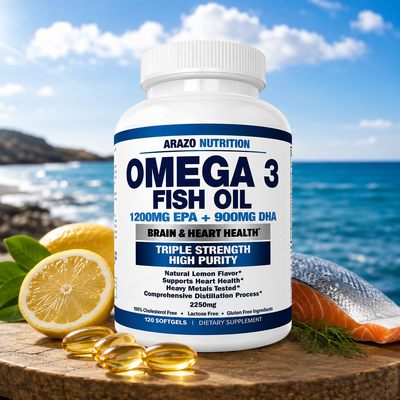
One of caviar’s standout features is its rich omega-3 fatty acid content. These essential fats are vital for numerous bodily functions and cannot be produced by the body.
Benefits of Omega-3s
- Cardiovascular Health: Helps lower triglycerides, reduce blood pressure, and prevent heart disease.
- Brain Function: Supports cognitive abilities, memory retention, and mental clarity.
- Anti-Inflammatory Properties: Reduces inflammation in joints and tissues, alleviating symptoms of arthritis and other inflammatory conditions.
Sturgeon caviar, in particular, is among the best sources of omega-3s, making it a favorite for health-conscious gourmands.
High-Quality Protein: Building Blocks for Your Body
Why Protein Matters
Protein is essential for maintaining muscle mass, repairing tissues, and boosting energy levels. Caviar offers a complete protein profile, containing all nine essential amino acids.
- Energy Boost: Ideal for athletes or those with active lifestyles, caviar provides sustained energy.
- Muscle Recovery: Helps repair muscle tissues after exercise or injury.
- Satiety: Keeps you fuller for longer, aiding in weight management.
Pair your favorite Beluga Caviar or Kaluga Caviar with a light snack for a protein-packed treat.
Antioxidant Properties: Protecting Your Cells
Caviar contains antioxidants that help neutralize free radicals, preventing oxidative stress.
Key Benefits
- Skin Health: Reduces signs of aging, improves skin elasticity, and enhances hydration.
- Chronic Disease Prevention: Lowers the risk of conditions like cancer, diabetes, and heart disease.
By incorporating caviar into your diet, you can support long-term health while indulging in its luxurious flavor.
Culinary Versatility: Endless Possibilities
How to Serve Caviar
Caviar’s culinary appeal lies in its simplicity and versatility. Here are some serving suggestions:
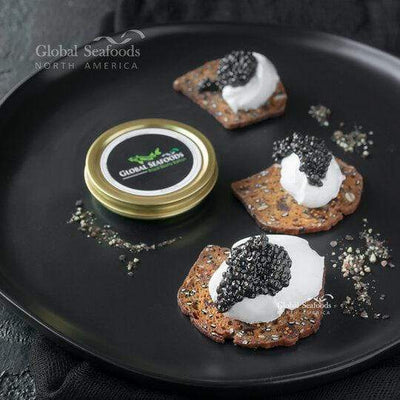
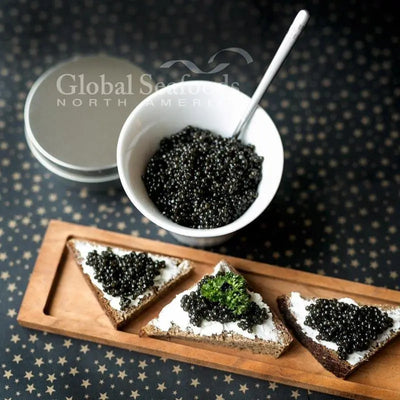
- Classic Presentation: Serve chilled with blinis, toast points, or crackers.
- Pairing Essentials: Enhance the experience with crème fraîche, lemon wedges, or finely chopped shallots.
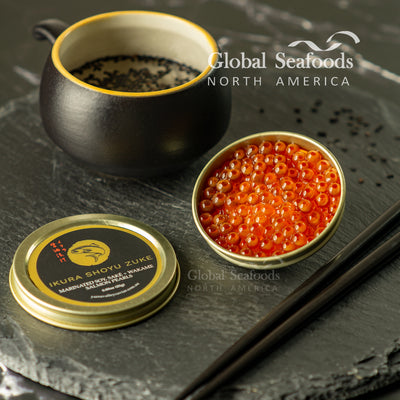
- Creative Recipes: Add caviar to sushi, deviled eggs, or pasta dishes for a gourmet twist.
Beverage Pairings
- Champagne: The crisp bubbles cut through the richness of the caviar.
- Vodka: Traditional pairing that cleanses the palate between bites.
- Dry White Wine: Complements the delicate briny flavors of caviar.
Potential Risks and Considerations
Sodium Levels
Caviar’s salt content, while essential for its preservation, can be high. Individuals with hypertension or kidney concerns should enjoy it in moderation.
Contaminant Concerns
Wild caviar can sometimes contain pollutants like mercury. Opt for farm-raised or sustainably sourced caviar to minimize risks.
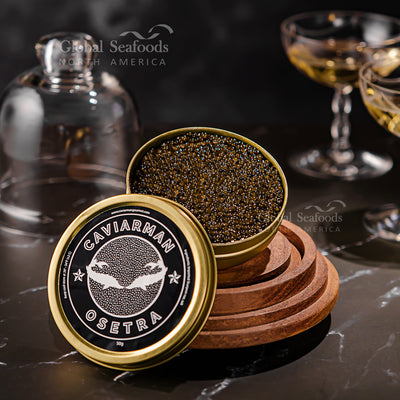
Explore certified sustainable options like Osetra Sturgeon Caviar Royal Crown.
FAQs About Caviar
1. What is the best way to store caviar?
Store caviar in the coldest part of your refrigerator (28°F–32°F). Keep the container sealed and consume within 2–3 days of opening.
2. Can caviar fit into a healthy diet?
Absolutely! With its omega-3s, protein, and essential vitamins, caviar is a nutritious addition to a balanced diet.
3. Is caviar sustainable?
Many farms now practice sustainable aquaculture to protect wild sturgeon populations. Look for certifications from reputable organizations to ensure ethical sourcing.
4. Can caviar be used in cooking?
Caviar is best enjoyed raw to preserve its delicate flavors, but it can also be used as a luxurious garnish for cooked dishes.
Conclusion
Caviar transcends its reputation as a luxury food by offering incredible health benefits. From boosting brain function to supporting heart health and enhancing skin vitality, caviar is truly a superfood in disguise. Whether you enjoy it as part of an elegant appetizer or as a health-boosting treat, caviar promises a unique blend of indulgence and wellness.
Ready to experience the benefits of caviar? Explore our premium options:
Transform your meals into a luxurious health experience today!
Explore more ideas on our YouTube Channel.


Related Products


Also in News

Snail Caviar: How White Escargot Caviar Is Farmed, Harvested and Made

The Dark Years of Pacific Salmon: A 20-Year Outlook for Alaska, Russia, and the Red Caviar Market

King Crab Legs Delivery: Is It Worth It? Exploring the Benefits and Best Options
Shop Now
Main
