
Alaskan Sockeye Salmon Recipes – Easy & Delicious Cooking Ideas

Savor the Flavor: Alaskan Sockeye Salmon Recipes for Every Occasion
Why Choose Alaskan Sockeye Salmon?
Alaskan sockeye salmon stands out from other salmon species due to its:
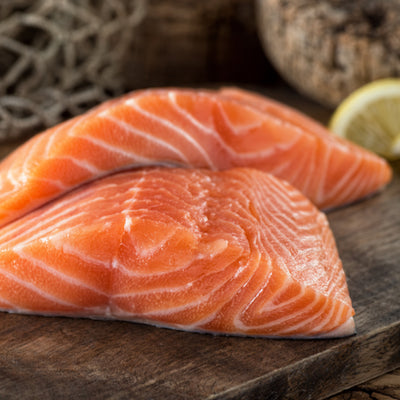
✔ Deep Red Color: Naturally vibrant, thanks to its diet of krill and plankton – no synthetic coloring, unlike farmed Atlantic salmon.
✔ Bold Flavor: Rich, slightly nutty, and incredibly delicious – more assertive than Coho or King salmon, which makes it ideal for bold marinades and glazes.
✔ Firm Texture: Perfect for grilling, baking, and pan-searing – the firm flesh holds up to high heat without falling apart.
✔ Nutritional Benefits: Packed with omega-3s (1,200–1,500mg EPA+DHA per 3oz), 20g+ protein, Vitamin D, B12, and selenium – FDA “Best Choice” for low mercury.
Mouthwatering Alaskan Sockeye Salmon Recipes
1. Grilled Alaskan Sockeye Salmon with Lemon & Dill
Why You’ll Love It: Grilling enhances the natural smoky flavors of sockeye salmon while keeping it moist and flaky – the high heat caramelizes the surface and creates a lightly crispy skin.
Ingredients:
- 2 Alaskan sockeye salmon fillets (6–8 oz each)
- 2 tbsp olive oil
- 1 tbsp fresh lemon juice
- 2 cloves garlic, minced
- 1 tbsp fresh dill, chopped
- Salt & black pepper to taste
Instructions:
- In a bowl, mix olive oil, lemon juice, garlic, dill, salt, and pepper until combined.
- Marinate the salmon fillets for 30 minutes in the refrigerator to absorb the flavors – or up to 2 hours for a more pronounced flavor.
- Preheat the grill to 375–400°F and oil the grates to prevent sticking.
- Place the salmon skin-side down and grill for 4–5 minutes, then flip and grill for 3–4 minutes more – the fish is done when it flakes easily and the internal temperature reaches 125–130°F (medium) or 145°F (fully cooked).
- Serve with a squeeze of fresh lemon and extra dill garnish.
Pro Tip: Serve with grilled asparagus and quinoa for a wholesome meal. For extra smoky flavor, use cedar planks – soak in water for 1 hour before grilling.
2. Baked Alaskan Sockeye Salmon with Honey Garlic Glaze
Why You’ll Love It: This easy oven-baked recipe is perfect for weeknights – the honey garlic glaze caramelizes beautifully in the oven, creating a sweet-savory crust that highlights the natural sweetness of sockeye salmon.
Ingredients:
- 2 Alaskan sockeye salmon fillets (6–8 oz each)
- 3 tbsp honey
- 2 tbsp soy sauce
- 1 tsp Dijon mustard
- 2 cloves garlic, minced
- ½ tsp black pepper
- 1 tsp fresh lemon juice
Instructions:
- Preheat oven to 375°F (190°C) and line a baking sheet with parchment paper.
- In a small bowl, whisk together honey, soy sauce, mustard, garlic, lemon juice, and pepper until smooth.
- Place the salmon fillets on the baking sheet and brush generously with glaze – reserve a little glaze for basting halfway through.
- Bake for 12–15 minutes, basting once at the halfway point, until the salmon flakes easily and the glaze is caramelized. Internal temperature: 125–130°F (medium) or 145°F (fully cooked).
- Serve with steamed rice and roasted vegetables.
Pro Tip: Pair with a crisp white wine like Chardonnay or Sauvignon Blanc. For extra caramelization, broil for the last 1–2 minutes – watch closely to prevent burning.
3. Pan-Seared Alaskan Sockeye Salmon with Garlic Butter
Why You’ll Love It: A quick, 10-minute recipe that results in crispy skin and tender, juicy flesh – the combination of olive oil and butter creates the perfect searing medium for a restaurant-quality result at home.
Ingredients:
- 2 Alaskan sockeye salmon fillets (6–8 oz each)
- 1 tbsp unsalted butter
- 1 tbsp olive oil
- 2 cloves garlic, minced
- 1 tsp smoked paprika
- Salt & black pepper to taste
- Fresh lemon wedges for serving
Instructions:
- Pat the salmon fillets completely dry with paper towels – this is the most important step for achieving crispy skin.
- Season flesh-side with salt, pepper, and smoked paprika.
- Heat olive oil and butter in a cast iron or stainless steel skillet over medium-high heat until the butter foams and subsides.
- Place salmon skin-side down and cook for 4–5 minutes, pressing lightly with a spatula for the first 30 seconds to ensure full skin contact. Do not move the fish.
- Flip and cook for 2–3 minutes until golden brown. Internal temperature: 125–130°F (medium) or 145°F (fully cooked).
- Add minced garlic in the last 30 seconds, spooning the garlic butter over the fillets (basting).
- Serve with mashed potatoes and sautéed greens, with lemon wedges on the side.
Pro Tip: Don’t overcook! Sockeye salmon is best at medium (125–130°F) – the leaner flesh dries out quickly above 145°F. Use an instant-read thermometer for accuracy.
Health Benefits of Alaskan Sockeye Salmon
Alaskan sockeye salmon is more than just delicious – it’s also a superfood:
✔ Rich in Omega-3 Fatty Acids – Approximately 1,200–1,500mg of EPA+DHA per 3oz serving – supports heart and brain health and reduces inflammation.
✔ High in Protein – 20g+ of complete protein per 3oz serving – a lean protein source that helps build muscle and supports satiety.
✔ Packed with Vitamins & Minerals – Including Vitamin D (~100% DV), B12 (~130% DV), and Selenium (~60% DV) per 3oz serving.
✔ Low in Mercury – FDA “Best Choice” for low mercury – safe for regular consumption including pregnant women and children (2–3 servings per week recommended).
Where to Buy High-Quality Alaskan Sockeye Salmon
When purchasing sockeye salmon, choose wild-caught, sustainably sourced options for the best taste and nutrition. Global Seafoods offers fast, reliable shipping – premium salmon delivered to your door.
- Sockeye Salmon Fillets & Portions
- King Salmon
- Coho Salmon Fillets
- Salmon Belly Strips
- Chum Salmon
- Copper River King Salmon
- Silver Salmon
Frequently Asked Questions About Alaskan Sockeye Salmon Recipes
How do I know if my sockeye salmon is fresh?
Look for firm, bright red flesh with a mild, clean ocean scent (not fishy or ammonia-like). The flesh should spring back when pressed – if it leaves an indentation, it’s past its prime. For whole fish, the eyes should be clear and bright, the gills should be red, and the skin should be shiny. For fillets, avoid any with browning edges, excessive liquid in the packaging, or a sour smell.
What’s the best way to store sockeye salmon?
✔ Refrigerate raw salmon for 1–2 days – keep on ice in a covered container in the coldest part of the fridge.
✔ Freeze raw salmon for up to 6 months in a vacuum-sealed bag (quality is best within 3 months). Thaw overnight in the refrigerator.
✔ Cooked salmon: Refrigerate in an airtight container for up to 3 days. Reheat gently at low heat to avoid drying out.
Is wild-caught sockeye salmon better than farmed?
Yes – in several important ways. Wild sockeye salmon has a more complex, assertive flavor; higher omega-3 content (due to its natural diet of krill and plankton); no antibiotics, artificial coloring, or synthetic astaxanthin; and is sustainably managed under strict Alaskan fishing regulations. Farmed Atlantic salmon is milder, fattier, and more widely available – but wild sockeye is the superior choice for flavor, nutrition, and environmental impact.
Can I cook sockeye salmon from frozen?
Yes – bake at 375°F for 18–22 minutes from frozen, checking with an instant-read thermometer. Add 5–7 minutes to any recipe when cooking from frozen. For grilling or pan-searing, thaw at least partially first for more even cooking – thaw in cold water for 30–45 minutes (changing water every 15 minutes) or overnight in the refrigerator. Never thaw at room temperature.
What is the best internal temperature for sockeye salmon?
The FDA recommends 145°F for food safety. However, most chefs and salmon enthusiasts prefer 125–130°F for a medium preparation – the center will be slightly translucent and very moist. For wild sockeye specifically, cooking to 125–130°F is strongly recommended – the leaner flesh dries out quickly above 145°F. Use an instant-read thermometer inserted into the thickest part of the fillet.
What sides pair best with sockeye salmon?
✔ Grilled sockeye: Grilled asparagus, quinoa, or a simple arugula salad with lemon vinaigrette
✔ Baked honey garlic: Steamed jasmine rice, roasted broccoli, or bok choy
✔ Pan-seared: Creamy mashed potatoes, sautéed spinach with garlic, or roasted fingerling potatoes
✔ All preparations: Crusty sourdough bread, a crisp green salad, or roasted root vegetables
Final Thoughts: Enjoy the Best of Alaskan Sockeye Salmon
Alaskan sockeye salmon is a true delicacy, offering bold flavors, rich nutrients, and endless recipe possibilities. Whether you grill, bake, or pan-sear, this wild-caught treasure will elevate your dining experience.
Ready to cook? Get the freshest wild-caught salmon now:
🎥 Watch more salmon recipes and expert cooking tips on the Global Seafoods YouTube Channel!




Related Products


Also in News

Snail Caviar: How White Escargot Caviar Is Farmed, Harvested and Made

The Dark Years of Pacific Salmon: A 20-Year Outlook for Alaska, Russia, and the Red Caviar Market

King Crab Legs Delivery: Is It Worth It? Exploring the Benefits and Best Options
Shop Now
Main
