
How to Make Crab Butter at Home: A Simple Gourmet Recipe

How to Make Crab Butter at Home: The Base Recipe, Three Variations, and Eight Uses
Crab butter (compound butter made with crab meat and aromatics) is one of the most versatile and highest-impact preparations you can make from a small amount of premium crab -- 1/2 cup of crab meat (approximately 2-3 oz) combined with 1 cup of butter produces enough compound butter for 8-12 servings as a finishing butter, 4-6 servings as a dipping sauce, or 2-3 servings as a pasta sauce. The butter amplifies the crab's flavor through fat-soluble flavor compounds that are more concentrated in butter than in water-based preparations. This guide covers the base recipe, three flavor variations, the correct storage times, and eight specific uses with preparation notes.
Dungeness Crab Meat | Snow Crab Legs | Golden King Crab | Dungeness Merus Crab Meat
Crab Selection Guide for Crab Butter
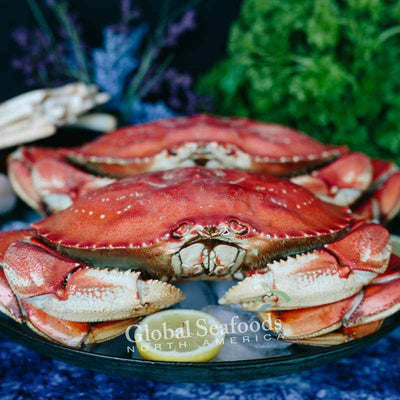
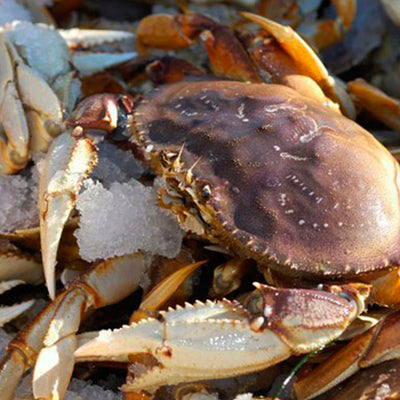
Best Choice: Dungeness Crab Meat
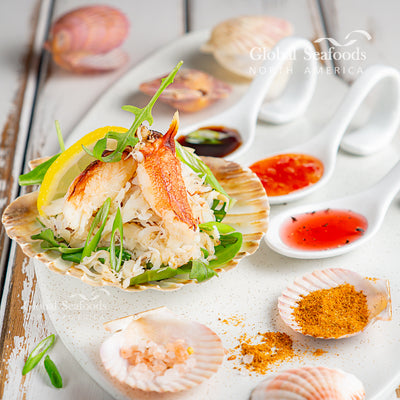
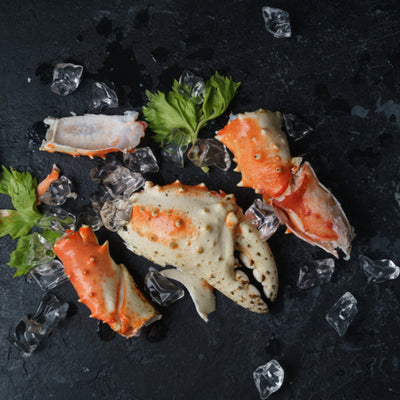
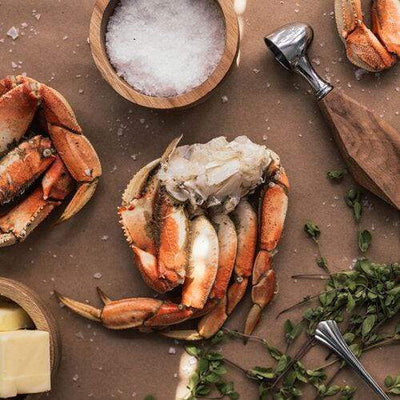
Dungeness Crab Meat is the best choice for crab butter -- its sweet, slightly nutty flavor is the most complex of the commercial species and holds up well when combined with butter and aromatics; the picked meat format means no shell extraction work is required; and the flavor is assertive enough to come through the butter without being overwhelmed. Dungeness Merus Crab Meat (the premium grade, extracted from the largest leg section in large intact pieces) produces a more visually impressive crab butter with visible chunks of meat.
Second Choice: Snow Crab
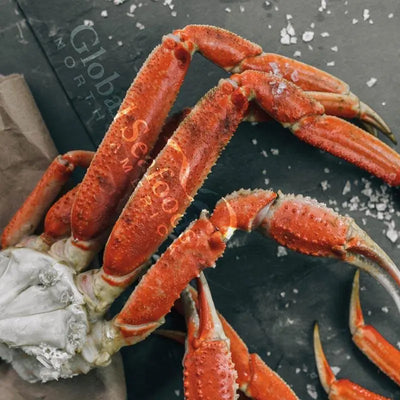
Snow Crab has a milder, slightly sweeter flavor than Dungeness -- the resulting crab butter is more delicate and less intensely flavored; best for applications where the crab butter is a background flavor (pasta, finishing butter for fish) rather than the centerpiece. Extract the meat from thawed snow crab clusters before making the butter.
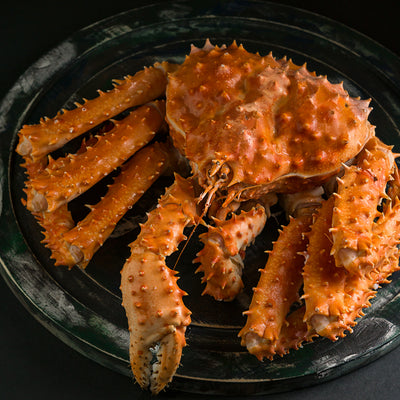
Third Choice: Golden King Crab
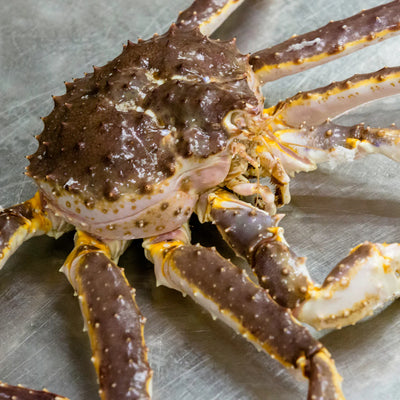
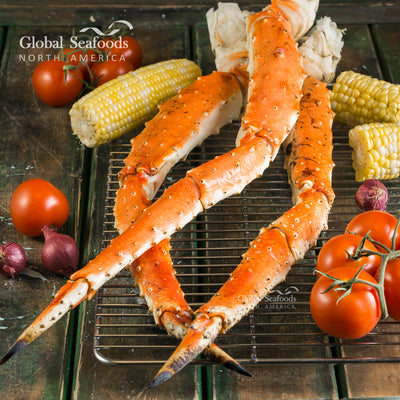
Golden King Crab has a rich, buttery flavor that is the most complementary to the butter base -- the resulting crab butter is the richest and most intensely flavored of the three options; best for applications where the crab butter is the centerpiece (dipping sauce for crab legs, spread for bread). The large leg meat is easy to extract and produces impressive visible chunks in the finished butter.
A Note on "Crab Roe"
Some crab butter recipes call for "crab roe" -- this refers to the roe (eggs) found inside female Dungeness crabs during certain seasons, not a commercially available standalone product. If you are cleaning a whole female Dungeness crab and find bright orange roe inside the body cavity, it can be incorporated into the butter for additional richness and color. It is not the same as the hepatopancreas ("crab mustard") -- the roe is the actual eggs, bright orange in color, found in the abdominal flap area. If you are using pre-picked crab meat, you will not have access to crab roe; simply omit it from the recipe.
The Base Recipe
Makes: approximately 1 1/4 cups compound butter | Active time: 10 minutes | Chill time: 30 minutes
Ingredients
- 1 cup (225g) unsalted butter, at room temperature -- use high-quality European-style butter (82-84% fat content vs. 80% for standard American butter) for the best flavor and texture; the higher fat content produces a richer, more cohesive compound butter
- 1/2 cup (approximately 2-3 oz / 56-85g) fresh or thawed crab meat, picked through for shell fragments
- 1 clove garlic, very finely minced or pressed (optional -- omit for a more delicate butter where the crab flavor is the sole focus)
- 1 tsp lemon zest
- 1 tsp fresh lemon juice
- 2 tbsp fresh herbs, finely chopped (dill, chives, or parsley -- dill is the most complementary to crab; parsley is the most neutral)
- 1/4 tsp fine sea salt (taste before adding -- if using pre-cooked crab meat, it may already be salty enough)
- White pepper to taste
Instructions
- If using frozen crab meat, thaw completely in the refrigerator overnight; drain in a fine-mesh strainer for 10-15 minutes to remove excess moisture -- excess moisture in the crab meat will cause the butter to weep liquid and produce a grainy texture
- Pat the crab meat dry with paper towels; pick through carefully for any shell fragments
- Beat the room-temperature butter with a hand mixer or wooden spoon until completely smooth and slightly fluffy (approximately 2 minutes); room-temperature butter is essential -- cold butter will not incorporate the crab meat evenly
- Add the crab meat, garlic (if using), lemon zest, lemon juice, and herbs; mix with a fork or spatula until the crab is evenly distributed; do not over-mix -- you want visible pieces of crab in the finished butter, not a completely smooth paste
- Taste; add salt and white pepper as needed; remember that the butter will taste less salty when cold than at room temperature
- Transfer to a sheet of parchment paper; roll into a log approximately 1.5 inches in diameter; twist the ends to seal; refrigerate for at least 30 minutes before slicing; alternatively, transfer to a ramekin or small bowl for serving as a spread or dipping sauce
Three Flavor Variations
Variation 1: Garlic and Herb Crab Butter (Classic)
The base recipe above with 2 cloves of garlic (instead of 1), 1 tbsp each of dill and chives, and 1/4 tsp smoked paprika. The most versatile variation -- works as a dipping sauce, finishing butter, spread, and pasta sauce. Best crab: Dungeness.
Variation 2: Lemon and Tarragon Crab Butter (French-Style)
Omit the garlic; use 2 tbsp fresh tarragon (finely chopped) instead of dill; add 1 tsp Dijon mustard and 2 tsp lemon zest (instead of 1 tsp). Tarragon's anise-like flavor is a classic pairing with both butter and shellfish in French cuisine; the Dijon adds a subtle sharpness that brightens the butter. Best for: finishing butter for grilled fish, scallops, or lobster; spread for baguette. Best crab: snow crab (the milder flavor allows the tarragon to be the dominant note).
Variation 3: Spicy Cajun Crab Butter
Add 1/2 tsp cayenne pepper, 1/2 tsp smoked paprika, 1/4 tsp dried thyme, 1/4 tsp dried oregano, and 1/4 tsp garlic powder (in addition to the fresh garlic); omit the dill; use parsley instead. The Cajun spice profile complements the crab's sweetness with heat and smoke. Best for: dipping sauce for crab legs at a crab boil; finishing butter for grilled shrimp; tossed with corn and potatoes in a seafood boil. Best crab: golden king crab (its richer flavor stands up to the bold spice profile).
Eight Uses for Crab Butter
1. Dipping Sauce for Crab Legs
Melt 2-3 tbsp of crab butter in a small saucepan over low heat; keep warm in a small ramekin; serve alongside steamed or grilled king crab, snow crab, or Dungeness crab legs. The crab butter amplifies the crab's flavor more than plain drawn butter.
2. Finishing Butter for Grilled Fish
Place a 1/2-inch slice of cold crab butter log on top of a just-grilled fish fillet (salmon, halibut, sea bass) immediately before serving; the butter melts over the fish as it is carried to the table. The cold butter hitting the hot fish creates a sauce as it melts.
3. Pasta Sauce
Cook pasta until al dente; reserve 1/2 cup of pasta cooking water; drain the pasta; return to the pot over low heat; add 3-4 tbsp of crab butter and a splash of pasta water; toss until the butter melts and coats the pasta; add additional pasta water as needed to achieve a silky sauce consistency. Finish with lemon zest and fresh herbs. Serves 2.
4. Spread for Bread or Toast
Serve at room temperature (slightly softened) as a spread for toasted baguette, sourdough, or brioche. The most straightforward use -- the butter's flavor is most apparent when eaten at room temperature rather than melted.
5. Finishing Butter for Seafood Soups and Chowders
Stir 1-2 tbsp of crab butter into a bowl of seafood chowder, bisque, or cioppino immediately before serving; the butter enriches the broth and adds a concentrated crab flavor. Do not add to the pot -- add to individual bowls at serving time to preserve the butter's fresh flavor.
6. Sautéing Base for Scallops or Shrimp
Use crab butter instead of plain butter to sauté scallops or shrimp -- melt 2 tbsp in a hot skillet; sear the scallops or shrimp as normal; the crab butter's flavor infuses the seafood during cooking and creates a flavorful pan sauce.
7. Stuffed Mushrooms or Baked Seafood
Mix softened crab butter with breadcrumbs (approximately 1:1 ratio) to create a stuffing for mushroom caps or a topping for baked oysters, clams, or fish fillets; bake at 400°F (200°C) until golden and bubbling.
8. Compound Butter for Steak (Surf and Turf)
Place a slice of cold crab butter log on top of a just-cooked steak immediately before serving -- the classic surf and turf finishing butter. The crab butter's brininess and sweetness contrast with the steak's richness in the same way a traditional maître d'hôtel butter does, but with a seafood dimension.
Dungeness Crab Meat | Snow Crab Legs | Golden King Crab | Dungeness Crab Clusters
Also see: King Crab Dipping Sauce Recipes | How to Clean and Prepare Fresh Crab
Watch seafood preparation videos on the Global Seafoods YouTube Channel
Storage
- Refrigerator: store in an airtight container or wrapped tightly in parchment paper for up to 3-4 days -- crab butter contains fresh crab meat and garlic, which degrade faster than plain butter; do not store for 5 days as some recipes suggest
- Freezer: wrap tightly in plastic wrap, then in foil or a freezer bag; freeze for up to 3 months; thaw overnight in the refrigerator before use; do not thaw at room temperature
- Log format: the log format (rolled in parchment paper) is the most convenient for freezer storage -- slice off portions as needed without thawing the entire log
Frequently Asked Questions About Crab Butter
Can I use frozen crab meat to make crab butter?
Yes -- thaw completely in the refrigerator overnight; drain in a fine-mesh strainer for 10-15 minutes; pat dry with paper towels. Excess moisture in the crab meat is the most common cause of grainy or weeping crab butter -- the moisture prevents the crab from incorporating smoothly into the butter. Pre-picked Dungeness crab meat (available at Global Seafoods) is the most convenient option -- no shell extraction required.
What is the best butter to use for crab butter?
Unsalted European-style butter (82-84% fat content, vs. 80% for standard American butter) produces the best flavor and texture -- the higher fat content means less water in the butter, which produces a richer, more cohesive compound butter that holds together better when sliced from the log. Kerrygold, Plugrà, and Président are widely available European-style butters. Use unsalted butter so you can control the salt level -- the crab meat may already provide sufficient salt.
How long does crab butter last in the refrigerator?
3-4 days maximum in the refrigerator -- crab butter contains fresh crab meat and garlic, which degrade faster than plain butter. After 4 days, the crab meat's flavor begins to deteriorate and the garlic can develop an off-flavor. For longer storage, freeze immediately after making (up to 3 months in the freezer). The log format is the most convenient for freezer storage -- slice off portions as needed without thawing the entire log.
Can I make crab butter without fresh crab meat?
Yes -- you can make a crab-flavored butter using crab shells (without the meat) by simmering the shells in the butter over very low heat for 20-30 minutes, then straining out the shells; the resulting butter is infused with the crab's flavor compounds without the texture of the meat. This technique (beurre de crustacés in French cuisine) produces a smoother, more intensely flavored butter that is excellent for pasta sauces and finishing soups. Roast the shells at 400°F for 15 minutes before simmering in the butter to deepen the flavor.

Related Products


Also in News

Sevruga Caviar Guide: Taste, Pearls, Origin, Price & Serving

Grouper Fish Guide: Taste, Types, Nutrition & Buying Fillets

Sturgeon Conservation: Why Responsible Sourcing Matters
Shop Now
Main
