
Louisiana Caviar Delight: A Unique American Treasure

Louisiana Caviar: A Unique American Treasure
When most people think of premium caviar, they picture Caspian sturgeon — Beluga, Ossetra, Sevruga. But the Mississippi River basin and Gulf Coast waters produce two distinctly American caviars that have earned serious recognition among chefs and caviar enthusiasts: paddlefish roe (Polyodon spathula) and bowfin roe (Amia calva). Both are harvested in the American South, particularly Louisiana, Arkansas, Kentucky, and Tennessee, and both offer flavor profiles that are genuinely different from — not merely substitutes for — traditional Caspian sturgeon caviar.
This guide covers what makes each distinct, how to serve and store them, and how they fit into the broader American caviar landscape.
Paddlefish Caviar
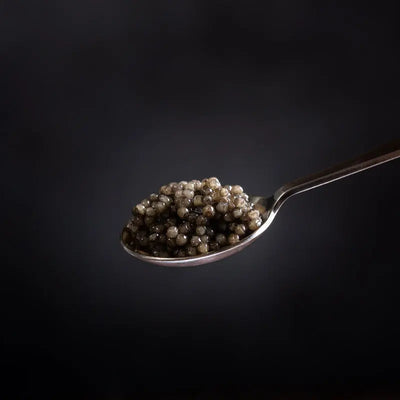
American paddlefish (Polyodon spathula) is a prehistoric species native to the Mississippi River basin — one of only two paddlefish species in the world (the other, the Chinese paddlefish, is now almost certainly extinct). The roe is medium-sized, gray to dark gray, with a flavor frequently compared to Sevruga or mild Ossetra: briny, earthy, with a clean mineral finish and a satisfying pop. It is less buttery than White Sturgeon and less intensely pungent than bowfin.
Paddlefish is listed as Vulnerable on the IUCN Red List, and commercial harvest is regulated by individual US states under strict quota and licensing systems. Sustainably sourced paddlefish caviar from regulated US processors is the product to seek — look for suppliers who can identify the harvest state and processor. The wild-caught commercial paddlefish caviar trade in the US operates legally under state wildlife agency oversight, making it meaningfully different from the unregulated poaching that devastated Caspian sturgeon.
Flavor positioning: bolder and more mineral than White Sturgeon caviar; comparable in intensity to mild Ossetra; less complex and nutty than premium Ossetra; more approachable than bowfin. A strong value relative to its sturgeon equivalents in price tier.
Shop: Paddlefish Caviar at Global Seafoods.
Bowfin Caviar
Bowfin (Amia calva) is a freshwater fish native to the eastern United States and Canada — another ancient species, sometimes called "choupique" in Louisiana Cajun cuisine. Bowfin roe is small, jet black, and has the most assertive flavor of any American caviar: bold, earthy, with a pronounced intensity that some describe as slightly muddy or swampy in the best sense — evocative of the bayou environment it comes from. It is not a subtle caviar and is not trying to be a Caspian substitute. It is its own thing entirely, and appreciated on those terms by cooks who want a bold, affordable caviar for cooked preparations.
Bowfin populations are generally considered stable and bowfin is not a protected species, making it one of the more straightforwardly sustainable American caviars from a conservation standpoint.
Flavor positioning: the boldest American caviar; best used as a garnish or finishing element in dishes where its intensity adds impact rather than subtlety — oysters, fried chicken (the classic Southern pairing), deviled eggs, fried green tomatoes, pasta with butter and cream. Less suited to the traditional blini-and-creme-fraiche presentation than paddlefish unless the other flavors are robust enough to hold their own.
How to Serve Paddlefish and Bowfin Caviar
Paddlefish (traditional service): The same service conventions as sturgeon caviar apply — chilled on crushed ice, mother-of-pearl or non-metal spoon, on warm blinis with crème fraîche or sour cream. Paddlefish’s flavor is bold enough to stand on its own as a tasting-spoon experience. Pairs well with dry Champagne, dry sparkling wine, or chilled vodka.
Bowfin (cooked and composed preparations): Bowfin’s bold, earthy flavor works particularly well where heat or fat can soften its intensity — as a garnish on warm dishes rather than a stand-alone tasting experience. Classic Louisiana pairings: oysters on the half shell, fried chicken, deviled eggs. Also excellent on scrambled eggs with butter, or as a finishing element on a rich seafood pasta or bisque.
Utensils: Same rule as all caviars — never metal. Mother-of-pearl, bone, or food-safe plastic. Even with more affordable caviars like bowfin, metal reacts with the salt and oils in the roe and introduces an off-flavor.
Drink pairings for both: Dry Champagne or sparkling wine; chilled vodka; cold beer (particularly light lager or pilsner — an unorthodox but excellent pairing for bowfin, especially in Cajun-style preparations). Bourbon is a regional option that can work with bowfin’s earthiness.
Storage
Refrigerate at 32–38°F (0–3°C). Keep unopened in the original sealed container. After opening: press plastic wrap directly onto the surface of the roe, reseal, refrigerate, and consume within 2–3 days. Use a non-metal spoon every time. These guidelines apply to both paddlefish and bowfin malossol product.
American Caviar vs. Caspian Sturgeon Caviar
Paddlefish and bowfin are not substitutes for sturgeon caviar — they are different products with their own characteristics. Paddlefish is the closest American equivalent to a Sevruga or mild Ossetra in flavor intensity (though the texture and pearl size differ), and it delivers genuine caviar pleasure at a fraction of the cost of premium sturgeon roe. Bowfin is categorically different — a uniquely American product that has no real Caspian equivalent and shouldn’t be evaluated as one.
Both are worth exploring independently of their relationship to Caspian caviar. For cooks and hosts looking to use caviar as a garnish or ingredient across multiple dishes and servings, paddlefish in particular offers excellent value — the flavor payoff relative to price is hard to match.
Shop Caviar at Global Seafoods
- Paddlefish Caviar
- Kaluga Hybrid Caviar
- Ossetra Sturgeon Caviar
- California White Sturgeon Caviar
- Sevruga Sturgeon Caviar
- Wild Sturgeon Black Caviar
Serving videos: Global Seafoods YouTube Channel.
Frequently Asked Questions
What is the difference between paddlefish and bowfin caviar?
Paddlefish roe (Polyodon spathula) is medium-sized, gray to dark gray, with a briny, earthy, mineral flavor — often compared to Sevruga or mild Ossetra in intensity but with its own clean, American freshwater character. Bowfin roe (Amia calva) is small, jet black, and significantly bolder and earthier — the most assertive-tasting American caviar, with a pronounced intensity that works best as a garnish in composed dishes rather than as a solo tasting experience. They are distinct products suited to different uses.
Can I use Louisiana caviar as a substitute for sturgeon caviar?
Paddlefish roe is a genuine alternative to Sevruga or mild Ossetra in flavor intensity for many applications — presentations where the caviar is one element among several, cooked garnishes, or budget-conscious caviar service at parties. It is not identical to sturgeon caviar in texture or pearl size, but delivers real caviar flavor at a fraction of the price. Bowfin is best understood as its own category rather than a sturgeon substitute — its bold, earthy character is unlike any Caspian caviar and is best appreciated on its own terms.
Is Louisiana caviar sustainable?
It depends on the species and sourcing. Bowfin (Amia calva) is not a protected species and populations are generally stable — it is one of the more straightforwardly sustainable American caviars. Paddlefish (Polyodon spathula) is listed as Vulnerable on the IUCN Red List; commercial harvest is legal but regulated by individual US states under quota and licensing systems. Sustainably sourced paddlefish caviar from regulated US processors is available; look for suppliers who can identify the harvest state, processor, and applicable state wildlife agency oversight.
Where is Louisiana caviar harvested?
Paddlefish caviar comes primarily from the Mississippi River basin — Louisiana, Arkansas, Kentucky, Tennessee, and Missouri are key harvest states. Bowfin is harvested primarily in Louisiana, where it is also a traditional food fish in Cajun cuisine (known locally as choupique). Both species are native to eastern North America and cannot be legally imported or exported as wild-caught product in ways that would conflict with state wildlife regulations.
What is the best way to serve paddlefish caviar for the first time?
Start simply: a small amount (5–10g) on a mother-of-pearl or non-metal spoon, eaten straight to assess the flavor without distraction. Then try it on a warm toast point or blini with crème fraîche. Paddlefish’s bolder flavor holds up well to both the neutral base and the richness of the dairy — it is more forgiving of accompaniments than the most delicate sturgeon caviars. Pair with chilled vodka or dry sparkling wine.
What is the best way to serve bowfin caviar?
Bowfin’s bold, earthy character is at its best as a garnish in dishes with complementary flavors: oysters on the half shell, deviled eggs, fried chicken (a classic Southern pairing), scrambled eggs with butter, or as a finishing element on a seafood bisque or pasta. It can be served on blinis with sour cream for a more assertive tasting experience. Chilled vodka, cold lager, or even bourbon (particularly with Cajun-style preparations) are good companions.
Related Products


Also in News

Snail Caviar: How White Escargot Caviar Is Farmed, Harvested and Made

The Dark Years of Pacific Salmon: A 20-Year Outlook for Alaska, Russia, and the Red Caviar Market

King Crab Legs Delivery: Is It Worth It? Exploring the Benefits and Best Options
Shop Now
Main
