
Tilapia vs. Salmon: A Comprehensive Comparison for Health-Conscious Seafood Lovers

Tilapia and Salmon Nutritional Comparison
Introduction
When it comes to seafood, tilapia and salmon are two popular choices. Both are delicious and offer numerous health benefits. But how do they compare nutritionally? In this article, we'll dive deep into the differences between tilapia and salmon, highlighting their respective nutritional values, health advantages, and which one deserves a place in your diet.
Tilapia vs. Salmon: Nutritional Showdown
Tilapia and salmon differ significantly in terms of their nutritional content. While both provide essential nutrients, there are notable distinctions worth exploring. Let's break down the key differences:
-
Protein Content
Tilapia: This mild-flavored fish is an excellent source of lean protein, providing approximately 23 grams of protein per 3.5 oz (100g) serving. It offers a full spectrum of essential amino acids, making it ideal for muscle growth and repair.
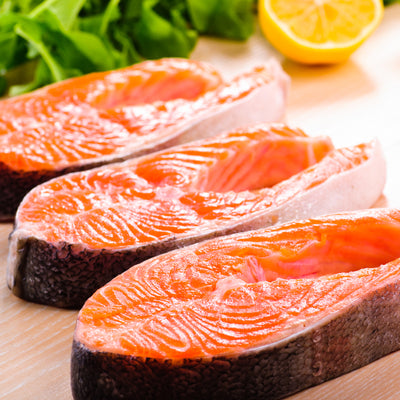
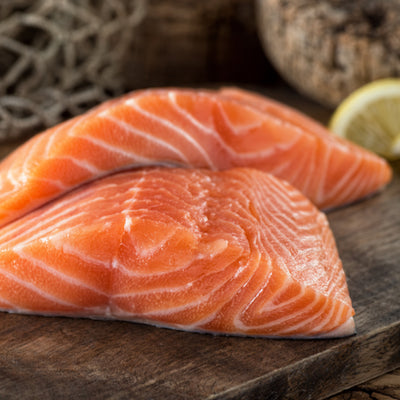
Salmon: Salmon is equally protein-dense, delivering around 25 grams of protein per 3.5 oz (100g) serving, along with beneficial omega-3 fatty acids that support heart and brain health. -
Omega-3 Fatty Acids
Tilapia: Tilapia contains omega-3 fatty acids, but in relatively modest amounts — roughly 0.1–0.2g per serving. It still contributes to overall heart health and brain function, but it's not a primary omega-3 source.
Salmon: One of the richest natural sources of omega-3s, salmon provides 1.5–2.5g of EPA and DHA per serving. These essential fatty acids play a crucial role in reducing inflammation, supporting brain health, and protecting cardiovascular function. -
Vitamin and Mineral Content
Tilapia: Tilapia provides solid amounts of vitamin B12, vitamin B6, and selenium, along with phosphorus to support bone health and energy production.
Salmon: Salmon is a nutritional powerhouse, offering an abundance of vitamin D, vitamin B12, selenium, and potassium. These nutrients support immune function, bone density, and cardiovascular health — making salmon one of the most nutrient-dense proteins available.
FAQs about Tilapia and Salmon
Q1: Is tilapia safe to eat?
Yes. Tilapia is widely considered safe when sourced from reputable suppliers. Look for tilapia farmed in the US, Canada, or Peru, where farming standards are stricter. Avoid tilapia from regions with less regulated aquaculture practices.
Q2: Can salmon be consumed raw?
Yes — sushi-grade salmon is safe to eat raw. Always purchase from a trusted fishmonger or seafood supplier and confirm it has been properly handled and frozen to eliminate parasites. Wild-caught salmon from clean, cold waters is generally the best choice for raw preparations.
Q3: Are tilapia and salmon high in mercury?
Neither fish is considered high in mercury. Both tilapia and salmon are on the FDA's list of best choices for regular consumption, making them safe to eat two or more times per week — including for pregnant women and children.
Q4: Which fish is more environmentally sustainable: tilapia or salmon?
It depends on the source. Responsibly farmed tilapia has a relatively low environmental footprint. Wild-caught salmon from well-managed fisheries (such as Alaskan salmon) is also considered sustainable. Farmed Atlantic salmon carries more environmental concerns. Look for MSC-certified or responsibly sourced options for either fish.
Q5: Can I replace tilapia with salmon in my diet?
Absolutely. Salmon is a nutritional upgrade in most respects — more omega-3s, more vitamin D, and a richer flavor profile. If you're used to tilapia's mild taste, start with a lighter salmon variety like coho or sockeye before moving to the richer king salmon.
Conclusion
Both tilapia and salmon have their own unique nutritional profiles and health benefits. Tilapia is a lean, affordable protein with a mild flavor that suits a wide range of recipes. Salmon stands out for its exceptional omega-3 content, broader vitamin and mineral profile, and deeper flavor. For those prioritizing heart health, brain function, and overall nutrient density, salmon is the stronger choice — but both fish earn a place in a balanced, health-conscious diet.
Where to Buy Fresh Salmon Online? 🛒
Looking for premium, wild-caught salmon for your next meal? Here are the best options:
🔹 Sockeye Salmon Fillet Portions – A rich, flavorful salmon packed with omega-3s, perfect for grilling or baking.
🔹 King Salmon – The most luxurious salmon variety, known for its buttery texture and high oil content.
🔹 Coho Salmon Fillet Portions – A milder option with a delicate taste, ideal for those who love a lean yet flavorful fish.
🔹 Salmon Belly Strips – Rich and fatty, perfect for sushi, sashimi, or pan-searing.
🔹 Chum Salmon – An affordable and versatile option that works great for smoking or marinating.
🔹 Copper River King Salmon – Prized for its deep red color and rich, buttery taste — a seasonal must-try.
🔹 Silver Salmon – Lean yet packed with flavor, great for grilling or broiling.
🎥 Want expert seafood tips? Watch the Global Seafoods YouTube Channel for recipes, cooking guides, and more!
Now you know where to buy the best fresh salmon online — get ready to enjoy a seafood feast delivered straight to your door! 🍣🔥



Related Products


Also in News

Snail Caviar: How White Escargot Caviar Is Farmed, Harvested and Made

The Dark Years of Pacific Salmon: A 20-Year Outlook for Alaska, Russia, and the Red Caviar Market

King Crab Legs Delivery: Is It Worth It? Exploring the Benefits and Best Options
Shop Now
Main
