
The Elegance of Pink Caviar: Flavors, Benefits, and Where to Buy

The Elegance of Pink Caviar: Flavors, Benefits, and Where to Buy
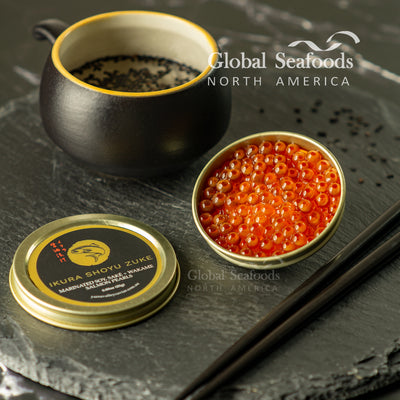
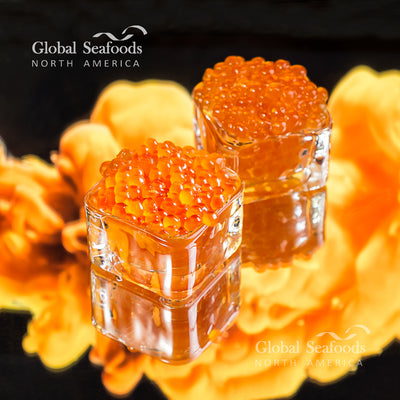
Pink caviar — also called salmon roe or ikura in Japanese cuisine — is harvested from the ovaries of female pink salmon (Oncorhynchus gorbuscha), the most abundant Pacific salmon species. Each bead is large compared to sturgeon caviar, vivid coral-orange in color, and delivers a clean briny-sweet burst when bitten. Pink salmon roe is prized in Japanese, Russian, and Scandinavian culinary traditions and has become one of the most versatile and accessible premium seafood ingredients available.
Mercury: Pink salmon is FDA "Best Choices" — the lowest-mercury category. Salmon roe is similarly low in methylmercury. No weekly serving limit for any population. Source: FDA Advice About Eating Fish.
Products: Pink Salmon Caviar • Salmon Caviar (Red Caviar) • Red Caviar • Trout Red Caviar • All Red Caviar.
Flavor and texture
Pink caviar has a delicate, clean brininess — the sea flavor is present but not aggressive or overpowering. There is a subtle natural sweetness and a mild richness from the roe’s fat content. The defining textural quality is the pop: each bead holds its shape until bitten, then releases its contents in a single burst. Pink salmon roe beads are larger than trout roe and considerably larger than sturgeon caviar, making the pop more pronounced. The flavor is lighter and less intense than sockeye or chum salmon roe; it is the most mild and approachable of the salmon roe family.
Nutrition
Salmon roe is one of the most nutrient-dense seafood products per calorie. A 1 oz (28g) serving contains approximately 40–50 calories with:
- Omega-3 fatty acids: approximately 1,100–1,500mg EPA+DHA per oz — genuinely high, exceeding most fatty fish by weight. Omega-3s at these levels are associated with cardiovascular and cognitive health benefits by the American Heart Association (recommendation: 500mg/day minimum EPA+DHA for general health).
- Protein: approximately 6–7g per oz — complete protein with all essential amino acids.
- Vitamin B12: one of the richest food sources; supports energy metabolism and red blood cell formation.
- Vitamin D: promotes calcium absorption and bone health.
- Selenium: antioxidant; essential for thyroid hormone synthesis.
- Iodine: essential for thyroid function and metabolic health.
Note: salmon roe is moderately high in sodium due to the salting/curing process — approximately 200–400mg per oz depending on cure intensity. Those monitoring sodium intake should consume in moderate portions.
Harvesting and processing
Pink caviar is harvested from female pink salmon during spawning runs (primarily July–September in Alaska). The skein (egg sac membrane) is removed; the roe is gently separated, rinsed in cold water to remove impurities, then lightly salted (malossol — Russian for “little salt” — is the benchmark for high-quality roe curing, using 3–5% salt by weight). The salting preserves the roe, enhances flavor, and firms the bead membrane slightly. The finished roe is packed in sterilized glass jars or tins and refrigerated or frozen. Sustainably sourced pink salmon roe from Alaska is managed under NOAA fisheries regulations — pink salmon is one of the most abundant and well-managed Pacific salmon species.
Culinary uses
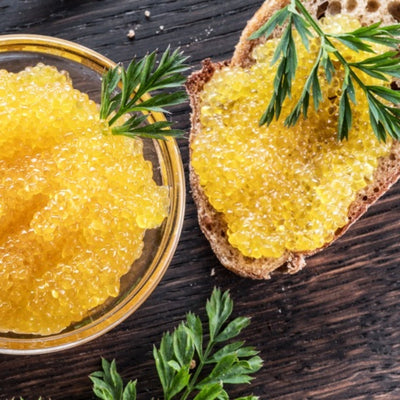
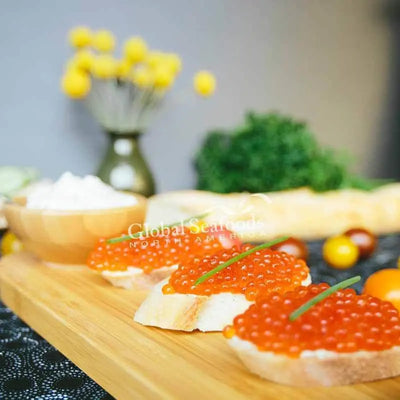
Classic preparations: Blinis with crème fraîche and pink caviar is the archetypal presentation — the richness of crème fraîche balances the brininess and provides a neutral backdrop for the roe’s flavor. Toast points with butter and caviar; sushi rice (nigiri or gunkan maki — the “war boat” style used for ikura in Japanese cuisine); canapés.
Pasta and warm applications: Toss cooked pasta (spaghetti or linguine) in a light cream or butter sauce; add pink caviar off-heat just before serving — heat degrades the delicate membranes and cooks the roe, changing both flavor and texture. The caviar should be a cold, room-temperature, or very briefly warmed element, not cooked in the sauce.
Avocado toast: Mashed avocado seasoned with lemon and salt; pink caviar on top. The fat in avocado complements the omega-3-rich roe; the bead pop provides textural contrast to the creamy avocado base.
Serving guidance: Always serve chilled — on crushed ice or over a cold base. Use non-metallic serving utensils (mother-of-pearl, bone, or plastic spoons) — metal oxidizes salmon roe on contact and imparts a metallic off-flavor. This is less critical for salmon roe than for sturgeon caviar (which is far more sensitive) but remains good practice.
Videos and recipes: Global Seafoods YouTube Channel.
Related Products


Also in News

Snail Caviar: How White Escargot Caviar Is Farmed, Harvested and Made

The Dark Years of Pacific Salmon: A 20-Year Outlook for Alaska, Russia, and the Red Caviar Market

King Crab Legs Delivery: Is It Worth It? Exploring the Benefits and Best Options
Shop Now
Main
