
Wild Alaskan Sablefish – A Culinary Journey from Ocean to Plate

Wild Alaskan Sablefish (Black Cod): Flavor, Nutrition, and Cooking Guide
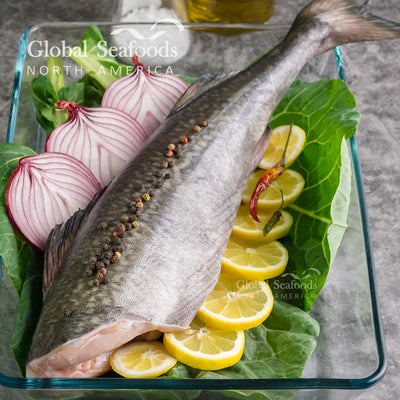
Wild Alaskan sablefish (Anoplopoma fimbria), also known as black cod, is one of the most prized fish in the world — and one of the most underappreciated outside of fine dining. Its extraordinarily high fat content gives it a silky, melt-in-your-mouth texture that's unlike any other white fish. It's the fish behind Nobu's most famous dish, a staple of Japanese kaiseki cuisine, and increasingly a favorite of home cooks who discover it. Here's everything you need to know.
🔗 Sablefish Fillets | 🔗 Smoked Black Cod | 🔗 Dry-Aged Sablefish
What Makes Sablefish Special?
Sablefish is not a true cod — it's the only member of the family Anoplopomatidae, found in the deep, cold waters of the North Pacific from Alaska to Japan. What sets it apart from every other white fish is its fat content: sablefish contains approximately 15–18g of fat per 3 oz serving, compared to 1–2g for cod or halibut. This fat is almost entirely omega-3 fatty acids, which gives the fish its signature buttery, silky texture and makes it one of the richest sources of omega-3s in the ocean.
The comparison to Chilean sea bass (Dissostichus eleginoides) is apt — both are deep-water, high-fat fish with similar textures and cooking properties. Sablefish is generally considered superior in omega-3 content and is significantly more sustainable (Chilean sea bass has faced serious overfishing concerns; Alaskan sablefish is MSC-certified and Seafood Watch "Best Choice").
Nutrition (per 3 oz / 85g cooked sablefish)
- Calories: 213 | Protein: 15g | Fat: 17g (mostly omega-3)
- Omega-3 (EPA+DHA): ~1,500–2,000mg — among the highest of any fish; comparable to salmon
- Vitamin D: ~27% DV | Selenium: ~52% DV | Vitamin B12: ~31% DV
- Mercury: Low — FDA "Best Choice"; safe for pregnant women and children
At 1,500–2,000mg of omega-3 per serving, sablefish rivals salmon as one of the best dietary sources of EPA and DHA. Its high fat content also makes it extremely forgiving to cook — it's very difficult to dry out, unlike lean white fish.
How to Cook Wild Alaskan Sablefish
Miso-Glazed Sablefish (Nobu's Signature Dish)
The most famous sablefish preparation in the world — made iconic by chef Nobu Matsuhisa at his eponymous restaurants. The combination of white miso, mirin, and sake creates a sweet-savory glaze that caramelizes beautifully against the fish's rich fat.
Marinade (for 2 fillets):
- ¼ cup white miso (shiro miso)
- 3 tbsp mirin
- 3 tbsp sake
- 2 tbsp sugar
Whisk together; marinate sablefish fillets for 24–72 hours in the refrigerator (longer = more flavor penetration). Wipe off excess marinade before cooking — the sugar burns easily. Broil or bake at 400°F for 10–12 minutes, or sear in a hot pan 3–4 minutes per side. The glaze should be deeply caramelized and slightly charred at the edges.
Pan-Seared Sablefish with Lemon Butter
The simplest preparation that showcases the fish's natural flavor. Pat fillets dry; season with salt and pepper. Sear skin-side down in a hot cast iron or stainless steel pan with a small amount of oil for 3–4 minutes until the skin is crispy. Flip and cook 2–3 minutes more. Finish with a squeeze of lemon and a knob of butter. The high fat content means the fish bastes itself — it's nearly impossible to overcook.
Broiled Sablefish with Teriyaki Glaze
Brush fillets with teriyaki sauce (soy sauce + mirin + sugar + ginger). Broil on a foil-lined baking sheet 6–8 minutes until the glaze is caramelized and the fish flakes easily. The high fat content means the fish stays moist even under the intense heat of the broiler.
Smoked Sablefish
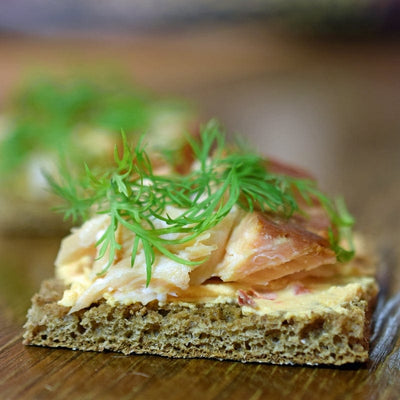
Sablefish's high fat content makes it one of the best fish for smoking — the fat carries smoke flavor deep into the flesh and keeps the fish moist throughout the long smoking process. Hot-smoked sablefish (smoked at 180–200°F until fully cooked) is a Pacific Northwest delicacy. Serve flaked over salads, on bagels with cream cheese, or as a standalone appetizer.
Best Flavor Pairings
- Miso and sake: The classic Japanese pairing; umami and sweetness complement the fish's richness
- Citrus (yuzu, lemon, orange): Acidity cuts through the fat and brightens the flavor
- Ginger and scallion: Classic Asian aromatics that balance the richness
- Dashi and soy: For a Japanese broth preparation (sablefish nimono)
- Smoked paprika and garlic: For a Western preparation with depth
- Corn purée or cauliflower purée: The sweetness of the purée mirrors the fish's natural sweetness
Shop Sablefish
- 🔗 Sablefish Fillets
- 🔗 Black Cod Sablefish
- 🔗 Smoked Black Cod
- 🔗 Dry-Aged Sablefish
- 🔗 Sablefish Steaks
- 🔗 Full Sablefish Collection
🎥 Watch sablefish cooking tutorials on the Global Seafoods YouTube Channel
FAQs: Wild Alaskan Sablefish
What's the difference between sablefish and black cod?
They're the same fish — Anoplopoma fimbria. "Black cod" is the common market name used in North America; "sablefish" is the more accurate common name used by fisheries managers and increasingly by chefs and retailers. The fish is neither a true cod (family Gadidae) nor related to Chilean sea bass — it's the only member of its own family (Anoplopomatidae). The name "black cod" comes from the fish's dark, almost black skin.
How should I store sablefish?
Fresh sablefish: refrigerate in an airtight container; use within 1–2 days. Its high fat content means it oxidizes faster than lean fish — don't push it to 3 days. Frozen: wrap tightly in plastic wrap + freezer bag; freeze at 0°F; best quality within 3–4 months. Thaw in the refrigerator overnight. The high fat content means sablefish freezes and thaws exceptionally well — better than most fish.
Can I substitute sablefish for Chilean sea bass in recipes?
Yes — it's the best substitute available. Both are deep-water, high-fat fish with similar silky textures and mild, rich flavors. Sablefish is slightly more delicate and may cook 1–2 minutes faster than Chilean sea bass. It's also more sustainable (MSC-certified Alaskan sablefish vs. Chilean sea bass, which has faced serious overfishing concerns) and typically less expensive. For any recipe calling for Chilean sea bass — especially miso-glazed preparations — sablefish is an equal or superior substitute.
Related Products

Also in News

Snail Caviar: How White Escargot Caviar Is Farmed, Harvested and Made

The Dark Years of Pacific Salmon: A 20-Year Outlook for Alaska, Russia, and the Red Caviar Market

King Crab Legs Delivery: Is It Worth It? Exploring the Benefits and Best Options
Shop Now
Main
